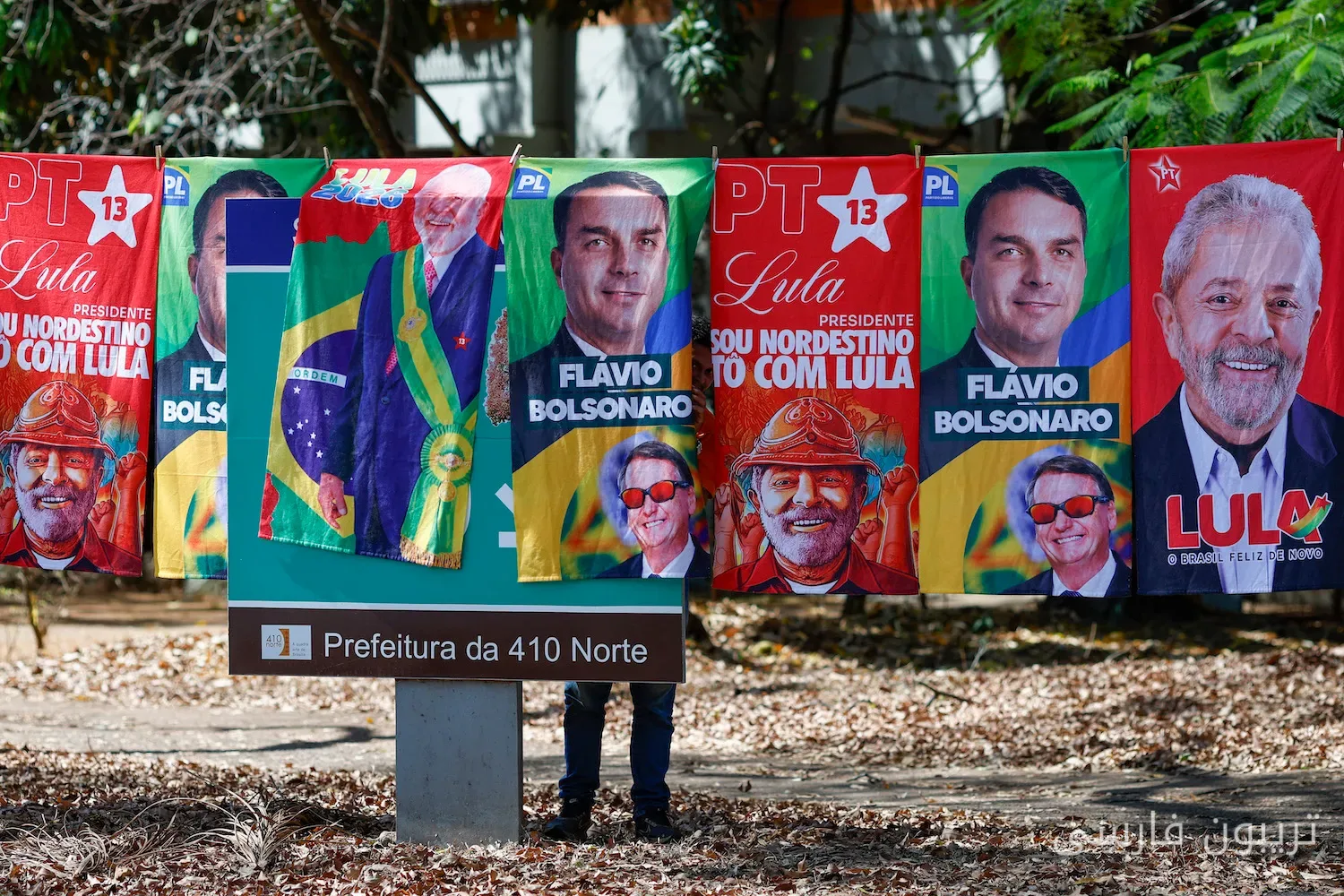
On October 4, Brazilians will go to the polls in the first round of the presidential elections. The two main candidates, Lula da Silva and Flávio Bolsonaro, represent two completely different viewpoints. Da Silva campaigns with populist economic slogans and political stability, while Bolsonaro acts as the flagbearer of the conservative social movement. However, the key point is that neither of these candidates is capable of solving Brazil's fundamental issues; issues such as minimal economic growth and entrenched corruption.
Economic Challenges and Structural Corruption
Brazil's economic growth is severely affected by high interest rates and heavy government debts. These problems increase the cost of investment and consequently slow down the growth process. Brazil faced a debt crisis in the 1980s, and similar experiences in neighboring countries like Chile, Colombia, and Peru show that these countries managed to control inflation and attract investors by limiting budget deficits. However, Brazil faced superficial reforms and sought help from the International Monetary Fund in 1998 and 2002.
Read more: Iran's Threat to Cut Undersea Cables in the Strait of Hormuz Puts Gulf Countries' Security at Risk
The Vicious Cycle of Reforms and Corruption
Brazil is caught in a cycle of crisis, reforms, and regression. In the early 2010s, the debt crisis led to a deeper recession, and significant reforms were made during this period that brought interest rates to their lowest level and revived private investments. However, with Bolsonaro coming to power, this trend was halted, and social programs, including an increase in the budget for the Bolsa Família program, significantly increased and became a populist tool. Additionally, labor reforms that helped reduce frivolous lawsuits were significantly weakened.
Brazil continues as an example of the inability to solve its structural problems, manifesting as a cycle of corruption and disappointing economic outcomes. Legal and political issues have severely impacted the reform process, allowing many officials and defendants to escape punishment. Ultimately, the only way to save Brazil is to establish a stable and capable political system that can effectively and sustainably implement reforms.
Read more: Trita Parsi's Analysis of Iran's Reaction to Trump's Pressures · The Need to Reform the Air Transport Network in Africa Considering Dependence on Foreign Hubs