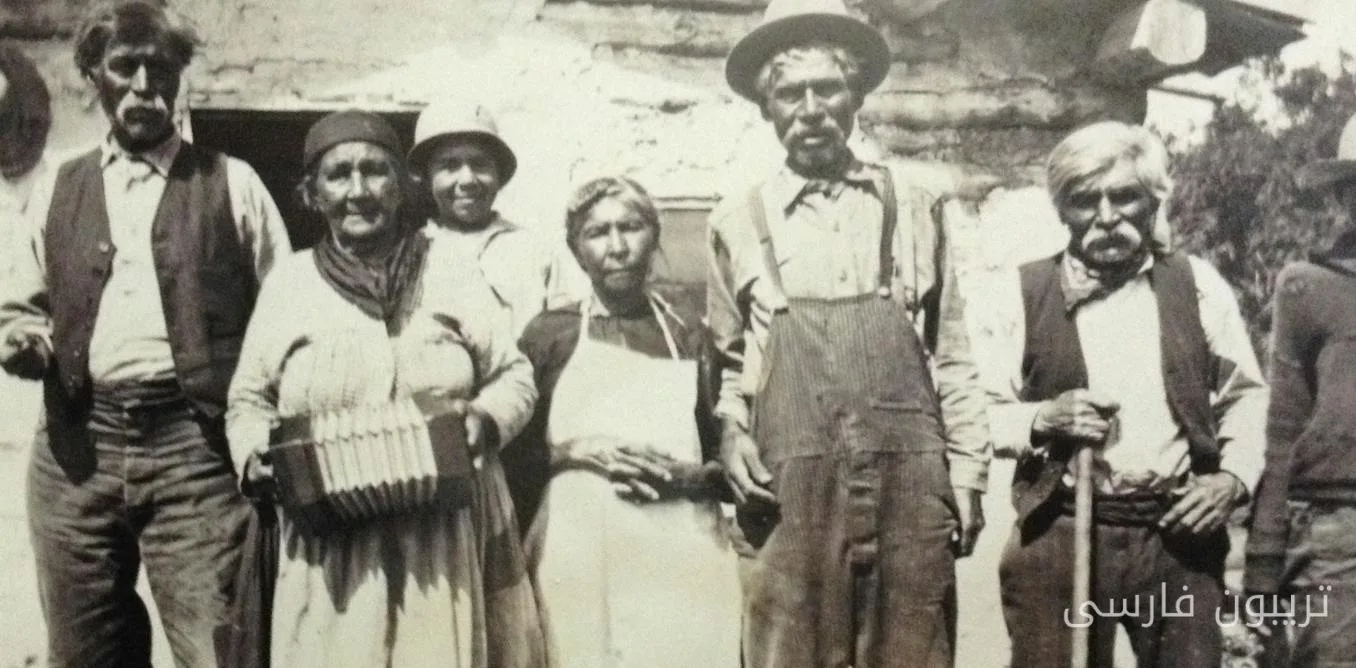
Métis people are one of the lesser-known Indigenous groups in Canada who have faced numerous challenges in recognizing their rights throughout history. Despite the fact that the Canadian Constitution states that "Indigenous peoples of Canada include Indian, Inuit, and Métis peoples," in practice, Métis have continuously struggled for the recognition of their inherent rights as an Indigenous group.
History and Identity of the Métis
The identity of the Métis has been shaped by a shared history, political will, cultural traditions, and family networks that date back before colonial borders. Our homeland includes the prairie provinces of Alberta, Saskatchewan, and Manitoba, as well as parts of British Columbia, Ontario, the Northwest Territories, and North Dakota. However, Métis are often mistakenly recognized as individuals who are half European and half from First Nations.
Read more: Analysis of the Experiences of Black Psychologists in South African Universities
As a people formed after contact, Métis have been recognized from the beginning as distinct from First Nations by those who encountered them. This position between two worlds presents a challenge for the understanding of Métis by those outside their community, and these complexities lead to confusion and vulnerability to potential abuses.
Legal Challenges and Achievements
In current times when "truths before reconciliation" are being raised, one lesser-known reality in Canadian history is that Métis people have consistently asserted their Indigenous rights and identity through legal means. Métis author and retired lawyer Jean Teillet addresses this in her work "Our Northwest Mother: The Story of Louis Riel's People." Since the establishment of their nation, Métis have gathered and organized.
These gatherings have included legal discussions and planning. Métis historian Lawrence Barkwell refers to some of the numerous petitions submitted to the Dominion of Canada that began in the mid-1840s, where Métis have widely exercised their right to request recognition of their rights, including land rights. However, these requests have rarely been successful.
The inclusion of Métis in the Canadian Constitution in 1982 as one of the three "Indigenous" groups was a hopeful moment led by Métis leader Harry Daniels and others. However, following that, the Supreme Court of Canada's decision regarding harvesting rights for Métis and their limited definition in the "Powley" test raised more questions than answers. Additionally, Daniels' 2016 decision that Métis and non-status individuals fall under the category of "Indians" complicated the issue with the term "mixed race."
Ultimately, ambiguous and complex legal decisions have hindered progress in recognizing Métis rights, including land, education, and health rights. Métis researcher and author Chelsea Vowel has described this issue as a "hot potato" in the context of recognizing Métis rights.
On the occasion of the tenth anniversary of the Daniels decision, the Métis National Council stated: "Ten years later, Métis citizens continue to face inequalities in access to essential services. In many cases, Métis governments are trying to fill the gaps without adequate and sustainable support from the federal government."
In this climate of uncertainty, officials and policymakers make decisions without a real understanding of the history and identity of the Métis nation. Beyond the courts, Métis people continuously hold gatherings to discuss current issues and to remember their history. Métis cultural gatherings continue and are held in significant historical locations such as Batoche.
Additionally, representative organizations of Métis such as the Métis Nation of British Columbia, the Métis Government of Otipemisiwak (Alberta), and others continue to hold formal gatherings. In this context, respected adults and writers like Maria Campbell have addressed what has been lost through unjust colonial actions and emphasized the importance of gatherings and dialogues.
Read more: The UN General Assembly voted for a fairer map for the world · Greg Stanton and the challenges of doing the "dirtiest job in the world"