The escalation of Russian sabotage and gray zone operations in Europe has sparked heated discussions about whether the Kremlin may be prepared to carry out a "limited incursion" in the near future to test NATO's resolve. These concerns have been particularly highlighted regarding the possibility of a Russian attack on the Baltic states, including Estonia, Latvia, and Lithuania.
Background of Russian Threats
Discussions about the potential for a limited military incursion by Russia into the Baltic region are not new. Following the occupation of Ukraine's Crimea in 2014, numerous articles were published addressing whether the Baltic states would be Putin's next target. This pattern was repeated after Russia's full-scale invasion of Ukraine in 2022. However, Baltic security analysts say that their countries are sufficiently aware of today's security threats and emphasize their defensive capabilities.
Read more: NATO Responds to Russian Threats but Is Not Yet Worried
Baltic analysts are particularly dissatisfied with the prominence of hypothetical scenarios that lack a sufficient understanding of the local situation and overlook the security capabilities of the three Baltic countries. Discussions about Russian threats typically rest on the assumption that everything hinges on NATO's response, while Baltic policymakers have carefully observed Russia's tactics in Ukraine and have used them to bolster their internal security and border defense.
Baltic Defensive Tactics
The current conditions in the Baltic region are by no means comparable to the situation in Ukraine at the onset of the Russian invasion in 2014. Although Latvia and Estonia have large Russian-speaking populations, the impact of the attack on Ukraine on the attitudes of these communities has been significant. While a minority still falls under Kremlin propaganda, the appeal of Putin's imperialist programs has sharply declined due to the high living standards of Russian speakers in the Baltics compared to across the border in Russia. Therefore, the likelihood of local separatist movements has been minimized.
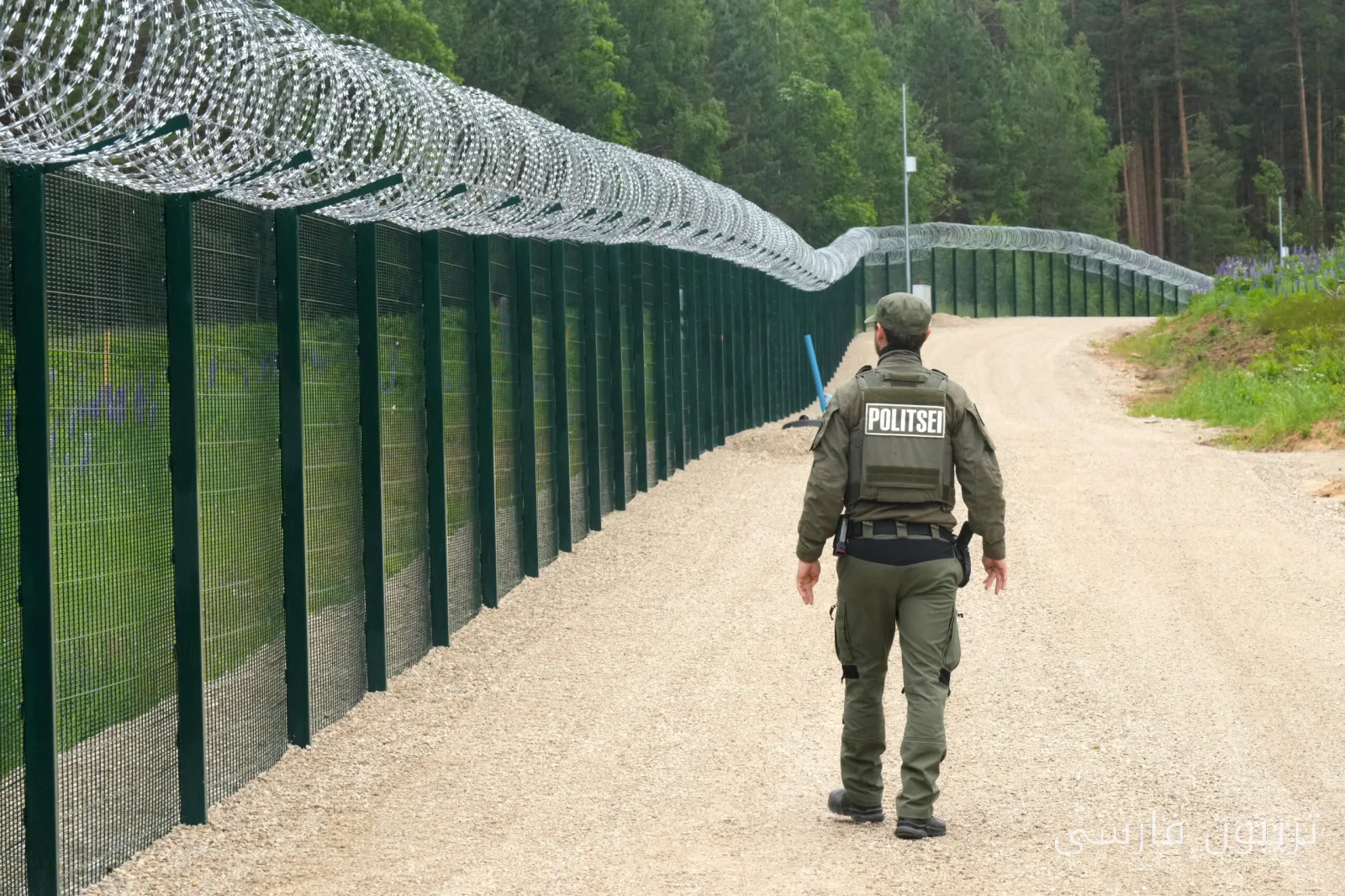
International concerns about the possibility of Russian incursions are often based on a misunderstanding of the security situation in the Baltic region. Some analysts speculate that Russian forces could simply cross the Narva River and move undetected into the forests of Estonia. In reality, the Baltic countries have collaborated to establish the Baltic defensive line, which includes a series of fences, tank obstacles, patrol roads, and natural barriers, all monitored by electronic sensors.
Any overt military incursion by Russia in the Baltic region would be met with immediate opposition. The Kremlin would need to provide sufficient force to overcome the armed forces of Estonia, Latvia, and Lithuania, which would defend themselves before awaiting a cohesive NATO response.
Future Outlook and Conclusion
Baltic security analyses indicate that Russia would require more manpower and equipment to execute a successful military incursion than what it currently possesses. This shortfall means that Tallinn, Riga, and Vilnius believe the Kremlin cannot execute a successful military incursion until it resolves its manpower shortages in Ukraine.
This does not mean that the Baltic countries are sitting idly. They know that Russia has a high-risk tolerance, and the possibility of a major miscalculation still exists. While Putin focuses on the U.S. military posture and often overlooks the roles of smaller countries, there is concern that he may believe a limited attack could lead to a foothold on NATO territory.
As Ukraine continues to defend itself against Putin's invasion, there is a consensus among the Baltic states that the likelihood of a Russian attack is low. This is one of the key reasons why Baltic partners of Ukraine, including the Baltic states, are currently at the forefront of providing military assistance to Ukraine. Ultimately, European security analysts need to focus more on intelligence assessments from the Baltic region and, instead of obsessing over land incursions, pay attention to the diverse threats from Russia and the increasing aggressive actions.
Read more: Transformation in Student Assessment with Self-Determination Theory · Tech Leaders' Response to AI Risks