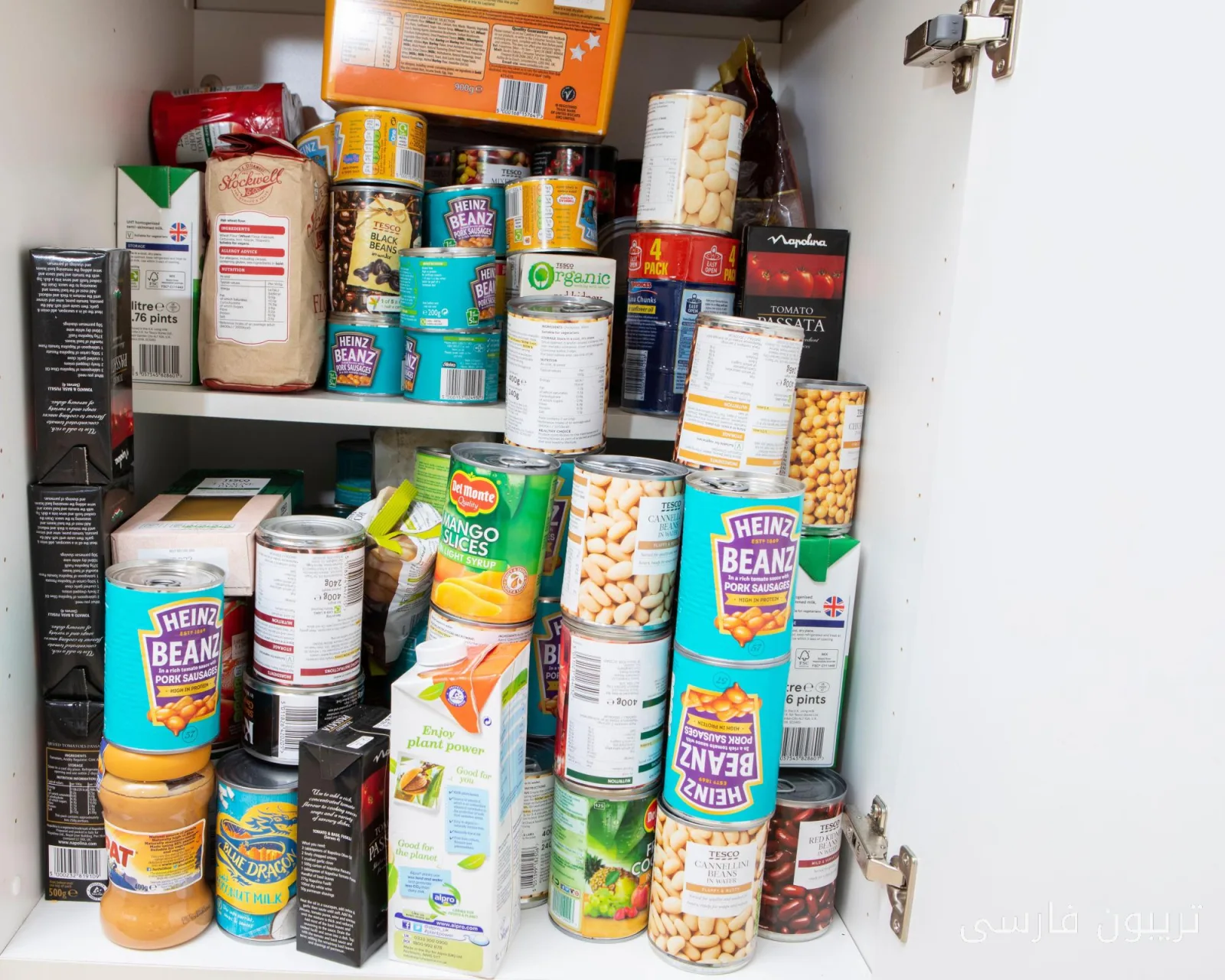
Preparedness for potential crises has become a hot topic in recent days, especially considering the dangers posed by climate change and global threats, its importance has increased significantly. However, many individuals face difficulties in acquiring essential items, and this issue requires deeper examination and analysis.
Challenges in Acquiring Essential Items
Three weeks have passed since the government's recommendation to begin stockpiling essential items, and during this time, those trying to acquire these items have faced numerous challenges. In this regard, the "Preparedness" campaign, supported by government ministers, has provided a list of 9 key items such as wet wipes, first aid kits, and batteries. Additionally, the World Health Organization emphasizes the importance of storing 15 liters of water per person per day. For a family of four, this means stockpiling at least 180 liters of water, which seems difficult to achieve given the current conditions.
Read more: Bola Tinubu seeks military transformation in Nigeria ahead of the 2027 elections
Lack of Preparedness and the Need for Creative Thinking
One of the main problems in lack of preparedness is individuals' attitudes towards these threats. It seems that many people have reacted coldly and indifferently to the dangers posed by global threats, especially artificial intelligence. This lack of attention may stem from an inability to imagine crisis situations. Humans naturally tend to avoid unpleasant realities, but this can lead to serious risks.
In this context, there is a need for creative thinking and thought experiments to accurately envision threats and create the necessary preparedness to face them. This requires changing thought patterns and accepting unpleasant truths. While it may seem that society quickly forgets, the reality is that we must carefully pay attention to new threats and learn from past experiences.
Ultimately, to face future crises, we must seek solutions to increase family and community resilience. This includes learning how to manage small and large crises as well as creating social networks to support each other in times of crisis. In the current situation, it seems that while we may think about stockpiling goods, we must recognize that true resilience lies in our ability to collaborate and support one another.
Read more: EU proposal to include Canada as an associate member · Iran and the US in a fierce competition for maritime dominance over Bab el-Mandeb