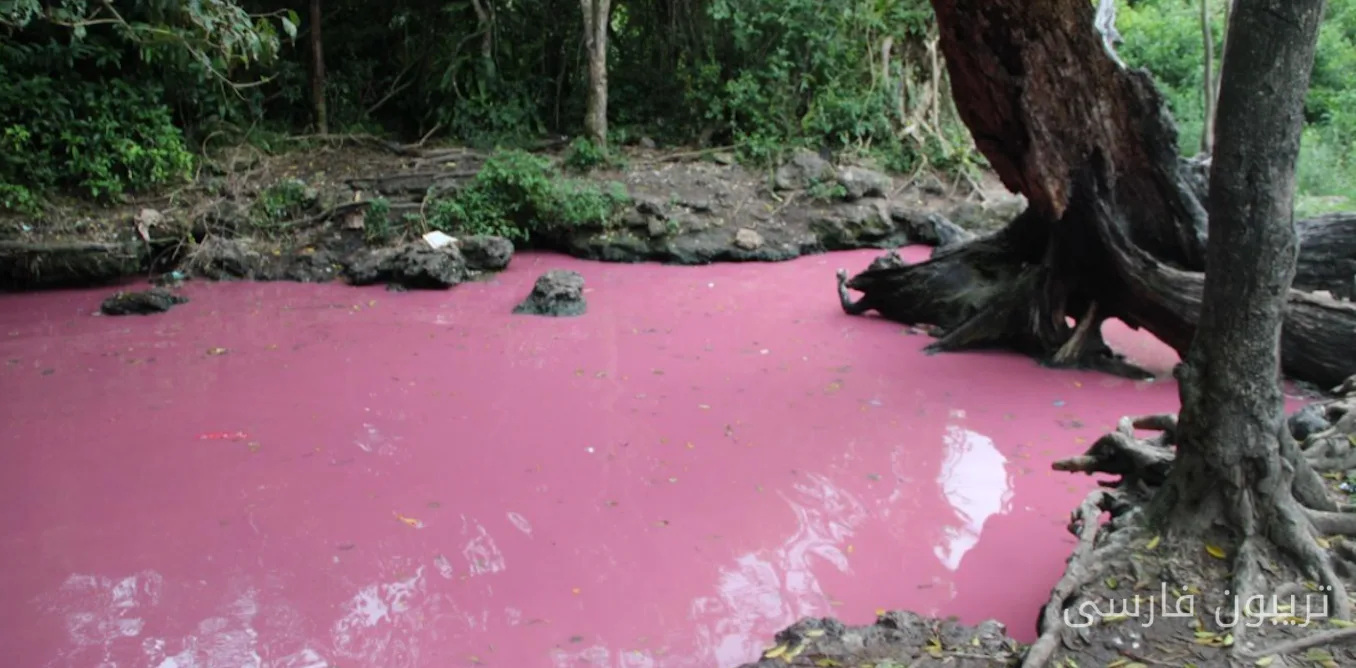
The sacred springs in South Africa are more than sources of fresh water; they are recognized as places for healing and spiritual cleansing. These springs, known as sacred sites, serve as locations for collecting water and maintaining cultural connections with the environment. In this context, a team of environmental scientists and freshwater biologists investigated new pollutants, particularly microplastics, in nine sacred springs located in the Eastern Cape and KwaZulu-Natal provinces.
Concerning Findings from the Sacred Springs
These springs were chosen due to their cultural and spiritual significance, but prior to this research, no scientific examination of their pollution had been conducted. However, the research revealed that all nine springs examined were contaminated with microplastics. A total of 184 microplastic particles were identified in these springs, with concentrations varying between 5 to 48 particles per liter.
Read more: Impact of Climate Change on the Wine Industry in Australia and the World
The absence of an international safe level for microplastics in freshwater or drinking water means that these concentrations cannot simply be described as 'safe' or 'unsafe.' These results indicate the presence of microplastic pollution and serve as a starting point for tracking changes in this issue over time.
Cultural and Environmental Implications
Our findings suggest that even sacred springs, recognized as pristine locations, are affected by microplastic pollution. This could harm aquatic life, diminish the spiritual value of the waters, and put those who use these waters at risk. Therefore, there is an urgent need to monitor the water quality of sacred springs across South Africa.
The Isinuka springs, near Port St. John's, and other water sources in various areas including Mbizana and Bongwana were examined. These springs are scientifically significant due to the presence of natural carbon dioxide. However, pollution from plastic waste surrounding these springs indicates a need for further research to understand how microplastics are entering these waters.
Read more: A New Perspective on Wildlife Conservation with Drones in Africa · Attention to Employment in the Transition to a Low-Carbon Economy is Essential