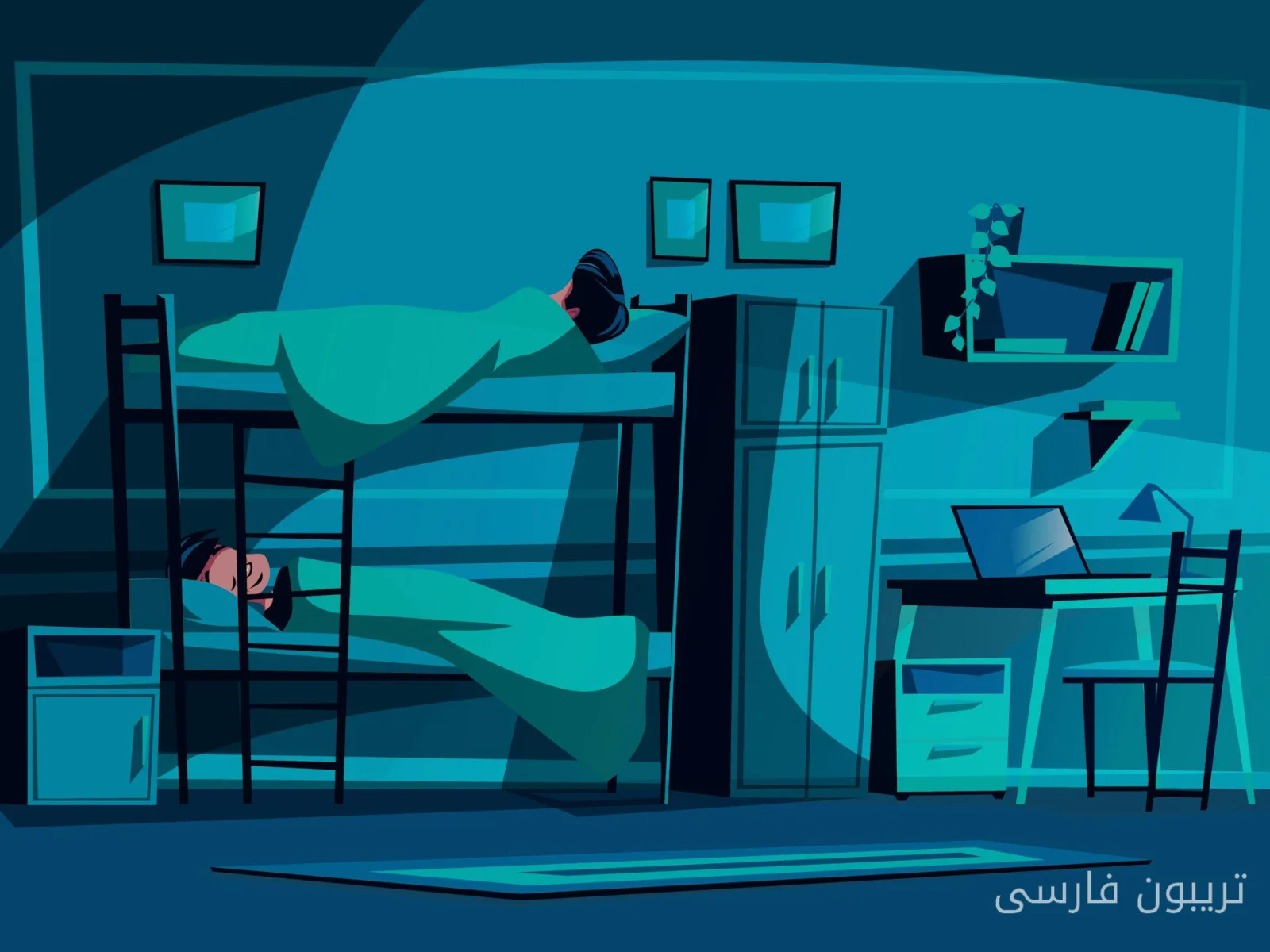
New research at the University of Pittsburgh indicates that paying students $5 for getting at least 7 hours of sleep per night not only helps increase their sleep duration but also leads to improvements in their academic performance. This study, conducted on over 1,100 undergraduate students, shows a direct correlation between sufficient sleep and academic performance.
Research Method and Results
In this study, 468 students were paid for each night they achieved at least 7 hours of sleep over a four-week period. During this time, activity tracking devices were used to measure their sleep. The results showed that these students achieved their sleep goals 26% more than students who received no payments. Additionally, their GPA increased by an average of 0.08 points, indicating the positive impact of sleep on academic performance.
Read more: Convention on the Legal Regime of the Caspian Sea and Iran's 20% Share
Consequences of Insufficient Sleep and Suggested Solutions
Insufficient sleep is recognized as one of the risky behaviors among youth and has a direct correlation with physical and mental health issues such as obesity, diabetes, and heart disease. Considering that about one-third of American adults sleep less than 7 hours a night, this study emphasizes the necessity of focusing on sleep quality in academic environments. Universities should examine how educational conditions and class times affect students' sleep habits. Simple changes like adjusting assignment deadlines and class hours can help improve students' sleep.
This research clearly shows that financial incentives can serve as an effective motivator for improving sleep habits and academic grades. Although the positive effects of sleep on grades diminish over time, it underscores the importance of sleep as an investment in academic success. Therefore, attention to adequate sleep should be an integral part of educational programs in universities.
Read more: Increased Pressures on Saudi Arabia in the Yemen War · AI in Medicine: Savings or Risk for Patients?