The recent report from the United Nations indicates that the world is unlikely to achieve the 1.5 degrees Celsius target set in the Paris Agreement by 2030. Meanwhile, tree planting has become one of the appealing symbols of climate action. This action is easily measurable, visible, and relatable: more trees mean more carbon absorption and a cooler planet. But is it really that simple?
Challenges of Tree Planting
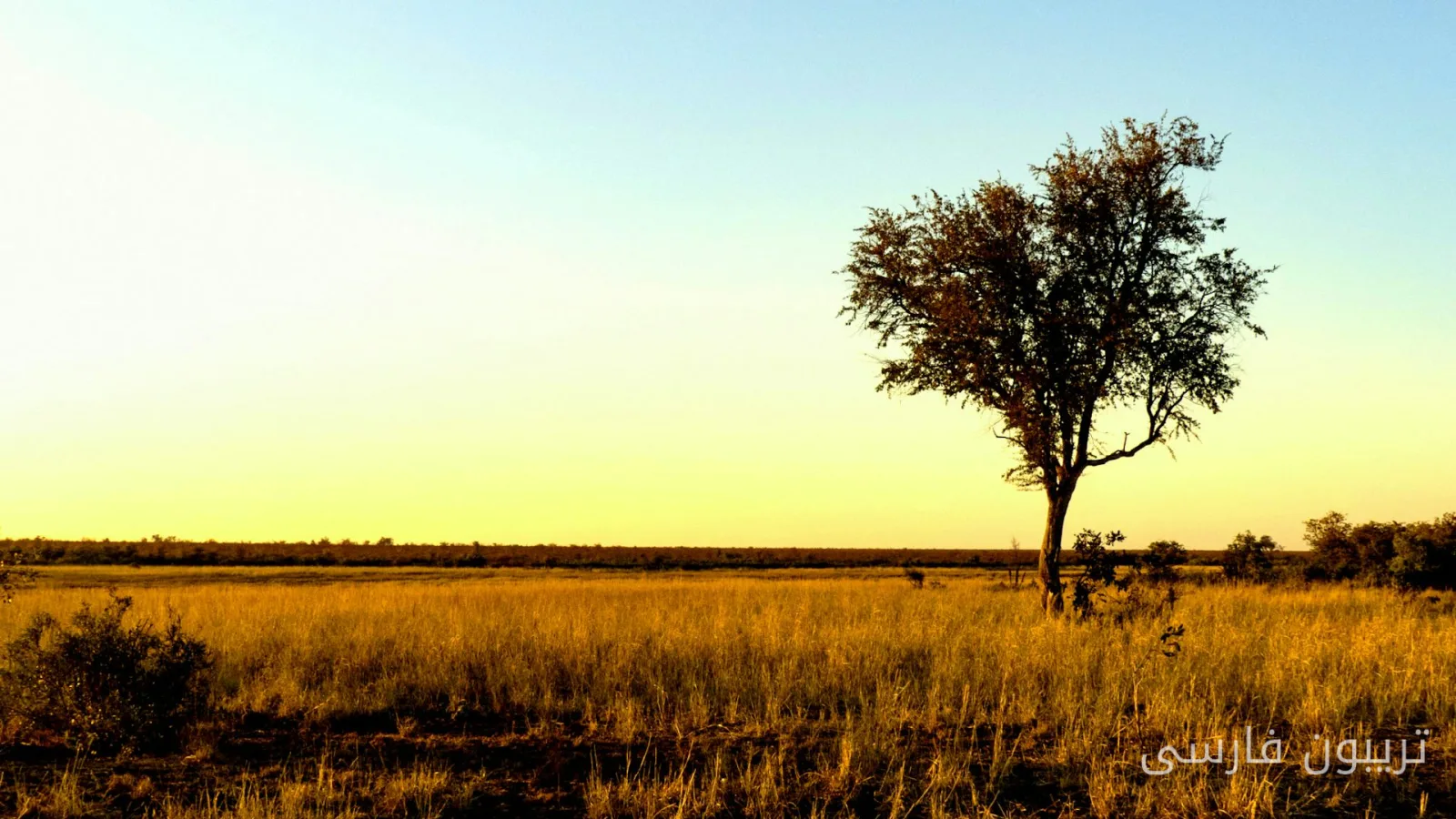
Tree planting alone is not a solution for climate change. Lands that do not have dense tree cover are not necessarily a sign of degradation. When the targeting of tree planting reaches grasslands, shrublands, and savannas, charitable efforts can replace one ecosystem with another, leading to reduced water availability and threatening local livelihoods.
Read more: California and Revising Nuclear Policy: Is It Time for Change?
For example, the Great Green Wall initiative in the African Union started in 2007 with the aim of preventing the expansion of the Sahara Desert through tree planting in 22 countries. However, nearly 20 years later, the results of this initiative have been mixed.
The Importance of Suitable Ecosystems
What is truly effective is planting trees in suitable ecosystems for restoration. Dry lands, including grasslands and shrublands, have adapted well to low and variable rainfall. Native trees and other plants are not signs of an ecosystem in need of restoration but are components of a functional biome.
On the other hand, planting trees in the wrong ecosystems can lead to reduced biodiversity and damage to ecosystems. Trees consume a lot of water, and in some places, an increase in the wrong trees can lead to reduced water in rivers and streams, jeopardizing the balance between carbon storage and water supply.
For this reason, governments and donors must ask themselves before starting tree planting projects whether this project contributes to the restoration of the natural ecosystem and preserves native diversity.
Ultimately, it must be understood that dry lands are not unsuccessful ecosystems; they are specific ecosystems that store carbon, maintain biodiversity, and support people. We must prevent the creation of forests in areas where they do not belong and value the lives that have adapted well to these ecosystems.
Read more: Will Global Warming with Greenhouse Gases Become 30 Percent Worse? · Consequences of War and Climate Crisis: From the Strait of Hormuz to the Forests