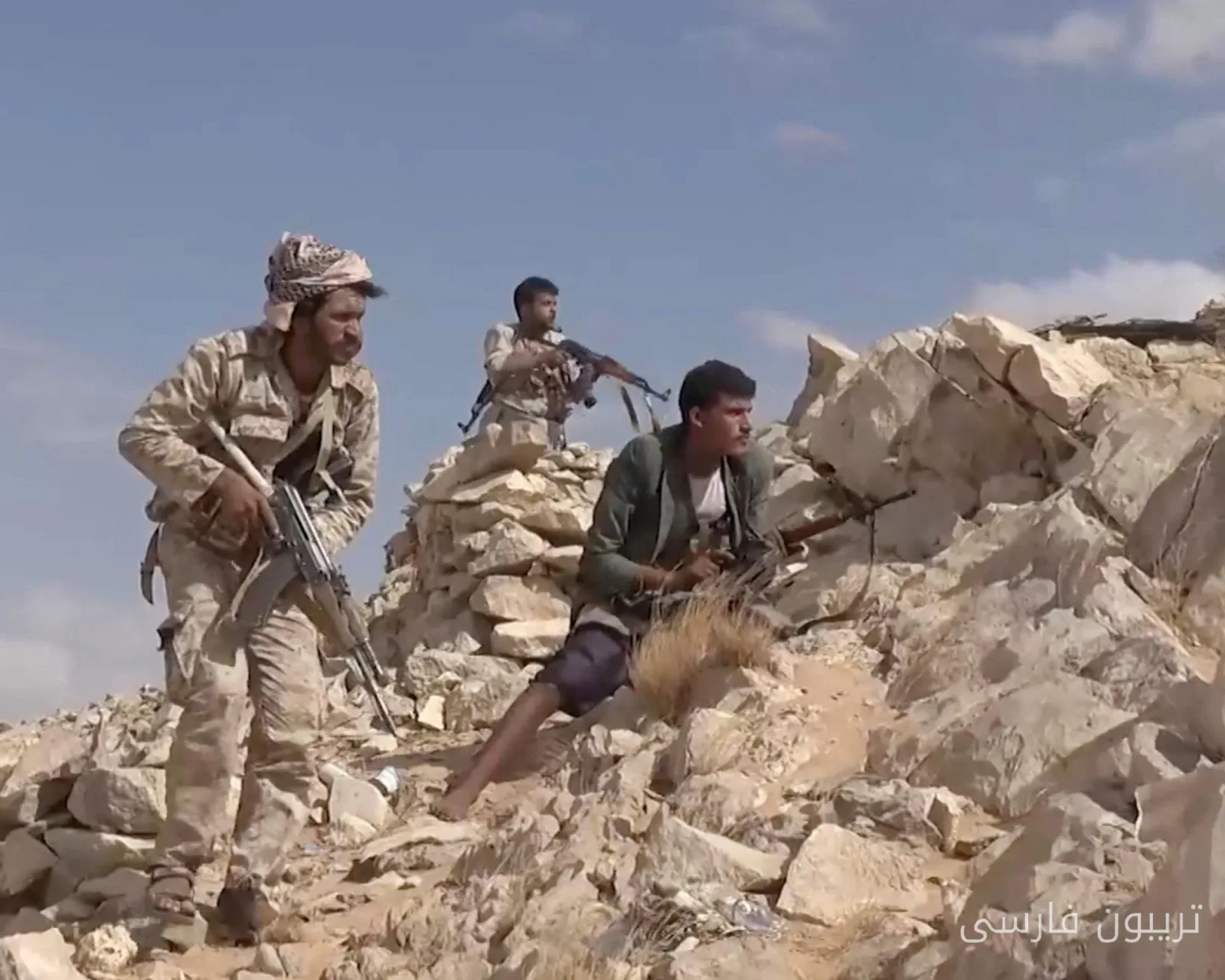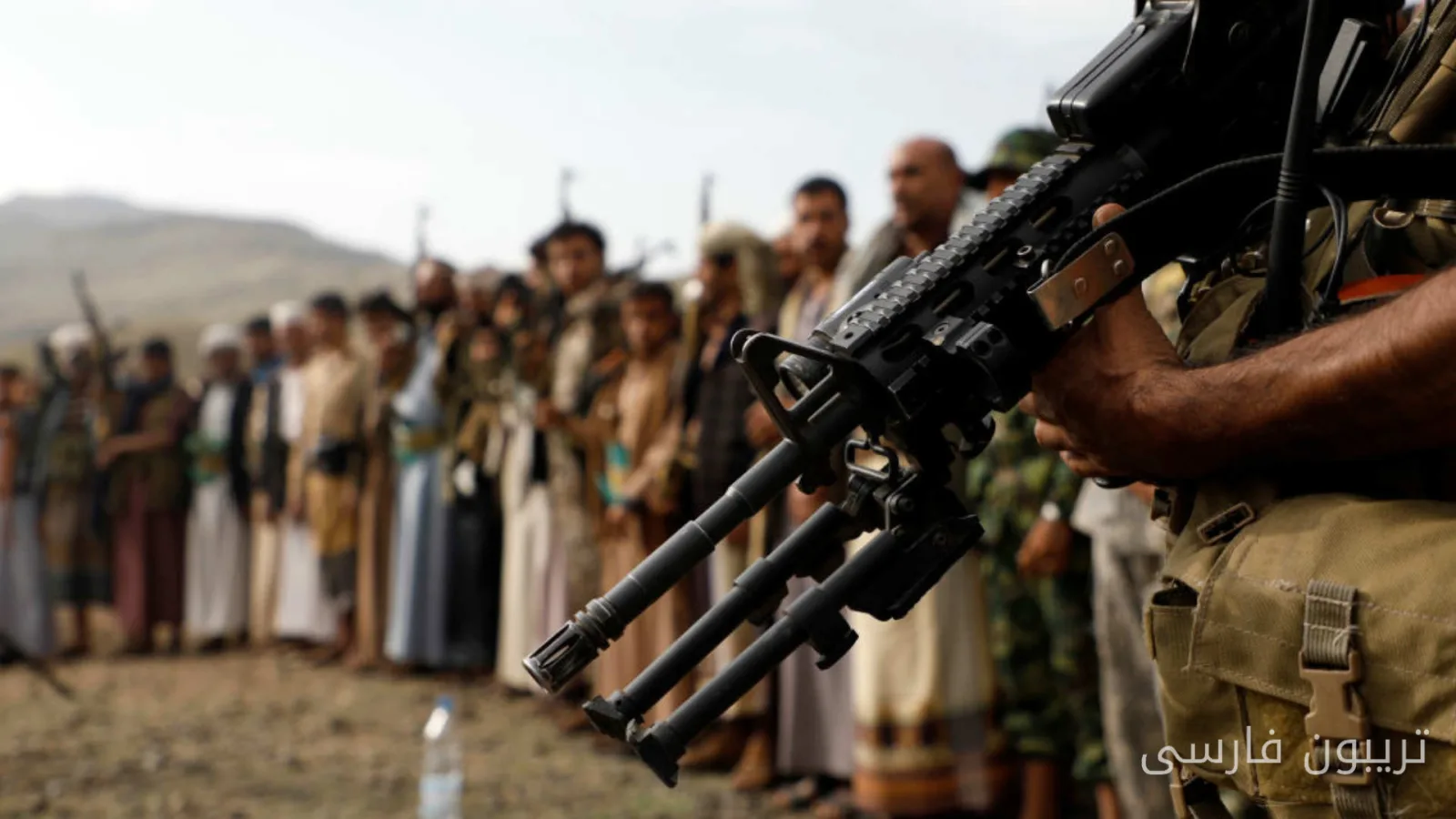
Dani Citrinovich, a senior researcher at the Israeli National Security Studies Institute, has analyzed the current situation of Saudi Arabia in the Yemen crisis. He emphasizes that this country is in a position where it must choose between two different strategic defeats. This analyst points out the current complex situation, claiming that if Saudi Arabia wants to end the tensions, it will have to respond to the core demands of the Houthis and lift the restrictions imposed on the areas under their control.
Strategic defeat or surrender
Citrinovich notes that while such actions could lead to a halt in Houthi attacks, they would, in turn, strengthen their economic and military capabilities. According to him, this would reward behavior based on force and would confront Saudi Arabia in the future with a stronger competitor at its southern borders. Conversely, if Saudi Arabia refuses to accept the Houthis' conditions, it will be forced to continue a confrontation that primarily bears the costs on Riyadh itself.
Read more: Analysis of the Thiroul report on NHS management responsibility in the Lucy Letby case
Increasing costs of war
Citrinovich emphasizes that the costs of war are rising, and Houthi attacks on Saudi energy infrastructure, including the "East to West" pipeline, have turned this confrontation into a direct threat to Riyadh's economic interests and strategic stability. He describes the current situation as a "strategic trap" for Saudi Arabia and asserts that flexibility and concessions can only create short-term calm. This calm will come at a high price and will mean facing a larger threat in the future.
On the other hand, while escalating tensions may preserve Riyadh's credibility today, it increases the risk of dragging Saudi Arabia into a costly and protracted war; a war in which, according to Citrinovich, this country is unable to achieve a decisive victory. He points out that the longer Saudi Arabia bears this heavy burden alone, the more opportunities the Houthis will have to exploit the fundamental asymmetry between the two sides.
According to Citrinovich, without broader international intervention and participation, there is no low-cost exit strategy for Saudi Arabia. Ultimately, Riyadh will have to choose between two difficult options: "empowering the Houthis" or "enduring a protracted and endless war." This analysis clearly shows that Saudi Arabia is in a sensitive and complex situation that requires strategic and precise decision-making.
Read more: Analysis of immune system performance in lupus patients by the research team · Expansion of Houthi control over the Red Sea and its implications for the world