The recent crises in the Middle East have had impacts beyond this region, one of which is the disruption of the air transport network in the Gulf. This situation has not only affected Gulf airlines but has also directly impacted the air transport industry in Africa. In this context, Africa's dependence on foreign hubs to reach domestic and international destinations has revealed existing structural weaknesses.
Historical Dependence and Current Challenges
Many African travelers are forced to transit through air hubs in Dubai, Doha, Abu Dhabi, Istanbul, or even Europe to reach other destinations on the continent. This dependence on uncontrollable infrastructure outside the continent poses significant risks. For example, international crises can lead to increased operational costs, delays in cargo transport, and problems for travelers.
Read more: Comparative Analysis of Cardio and Weightlifting in Fitness
According to estimates, non-African airlines still operate nearly 70 percent of Africa's intercontinental capacity. This dependence on foreign airlines, especially during global disruptions, can lead to serious crises for connections, trade, and costs on the continent.
The Need for Reform and Strengthening Infrastructure
Given the high operational costs and dependence on fuel imports, which account for 30 to 40 percent of African airlines' costs, the economic situation of this sector is highly vulnerable. Rising fuel prices and high insurance costs due to proximity to conflict zones put additional pressure on African airlines. These conditions reduce the competitiveness of intra-continental air services.
Moreover, the use of air transport for exporting agricultural products, especially fresh vegetables, is severely affected by the resulting delays. These delays can lead to reduced quality and increased waste, consequently weakening the competitiveness of African exporters.
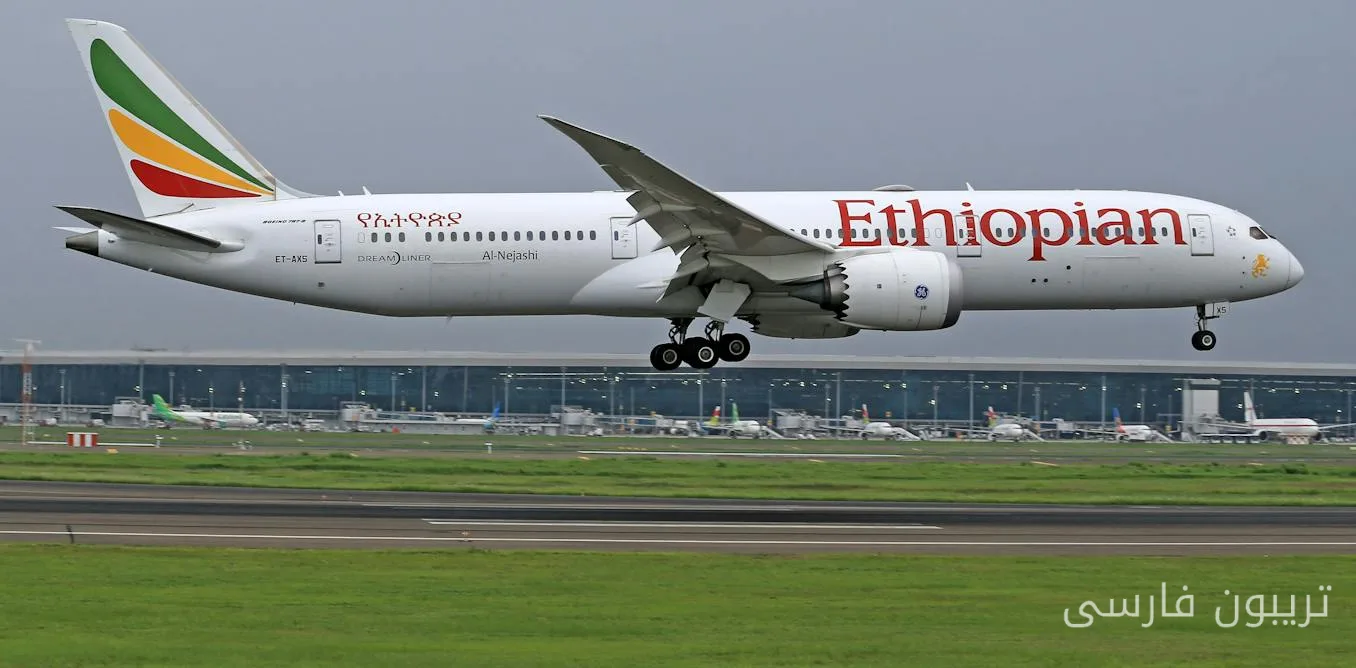
To improve the state of the air transport industry in Africa, there is a need to establish and strengthen effective air hubs, improve visa regimes, and enhance coordination between regulatory and governmental bodies. While some airlines like Ethiopian Airlines demonstrate existing potentials, many African airlines still face serious barriers in accessing markets and navigating conflicting legal environments.
Ultimately, to create a sustainable and effective air transport network in Africa, it is essential for governments to adhere to continental commitments and implement necessary reforms in this area.
Read more: Significant Reduction of US MQ-9 Multirole Drones in Battlefields · Impact of War on the Economies of Southern Gulf Countries