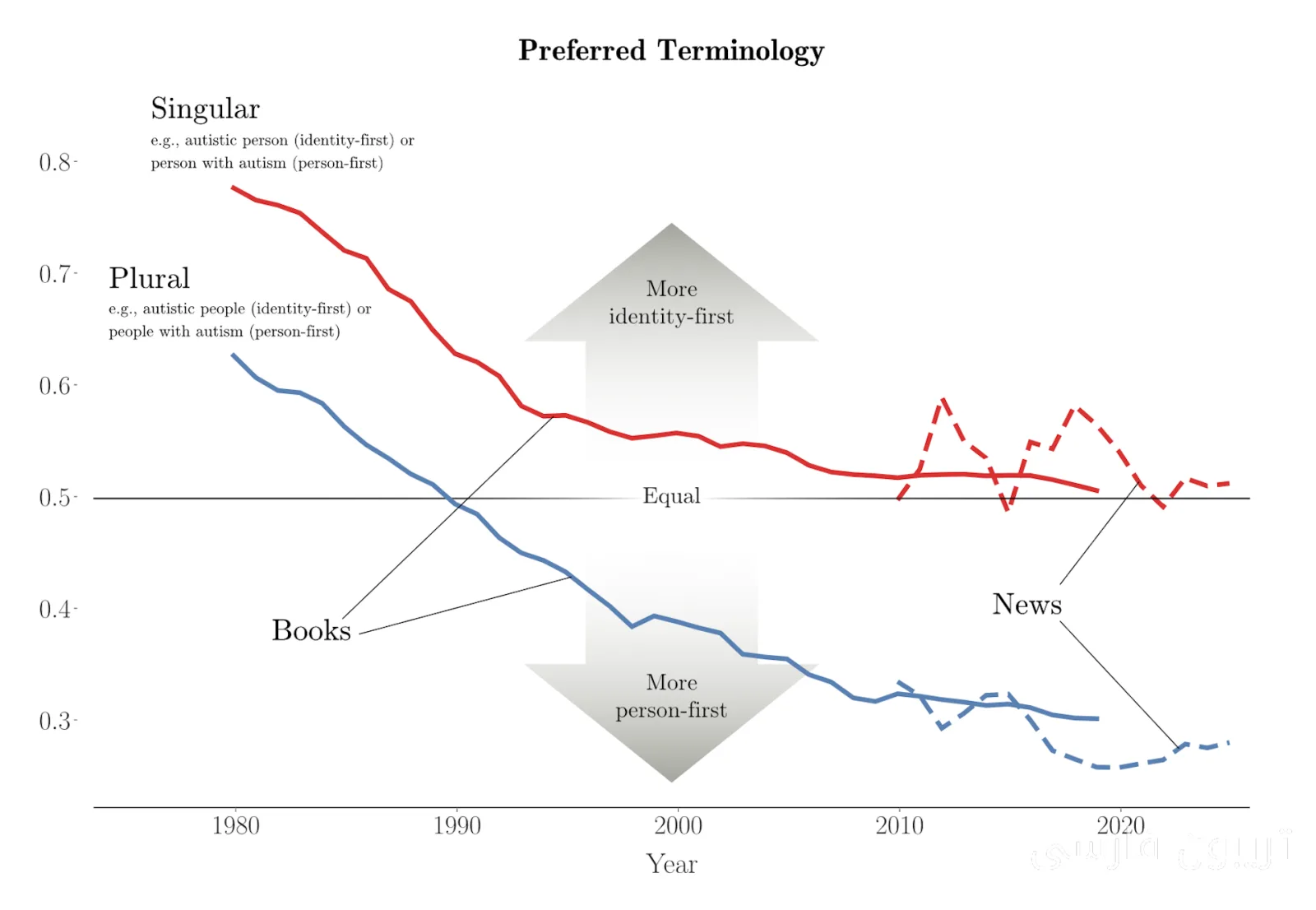
New research in linguistics shows that the way of referring to individuals with disabilities and mental disorders has significantly changed over the past 45 years. This study, the largest of its kind, examines linguistic developments and preferences regarding terms related to disability and mental disorders.
History of Language and Its Changes
In the 1980s, disability activists argued that using phrases like "disabled person" somehow equates the individual's identity with their disability. Therefore, the term "person with a disability" was proposed as a language that prioritizes the individual's identity. This language was soon adopted by professional organizations and guidelines related to scientific publishing and media reports.
Read more: Controlling Family Access to Virtual Spaces is Essential
Critiques and New Opinions
However, in recent years, critiques of "person-first" language have increased. Critics argue that this type of language presents disability or mental disorder as a lesser and marginal part of the individual. American psychologist, Louis Sass, beautifully raises the question of whether disorders like schizophrenia should be seen as a burden or an adversary that the individual must confront, or whether they should be regarded as part of the individual's existence and identity.
In 2020, the American Psychological Association endorsed "identity-first" language, and surveys show that many individuals with mental disabilities prefer this type of language. However, at a broader level, there is still no widespread agreement on the preference for one of these two types of language.
The results of this study indicate that our language in this area is not static and is influenced by social and cultural changes. Investigations show that "person-first" and "identity-first" language are used differently regarding various conditions. For example, in some situations like alcoholism and anxiety, "identity-first" language is preferred, while in other conditions like anorexia, "person-first" language is more commonly used. These results indicate that linguistic trends are specifically dependent on the conditions and should be carefully considered.
Read more: Liu Jinsong, China's New Ambassador to Canberra and His Path of Promotion · Greg Stanton and the Challenges of Doing the "World's Toughest Job"