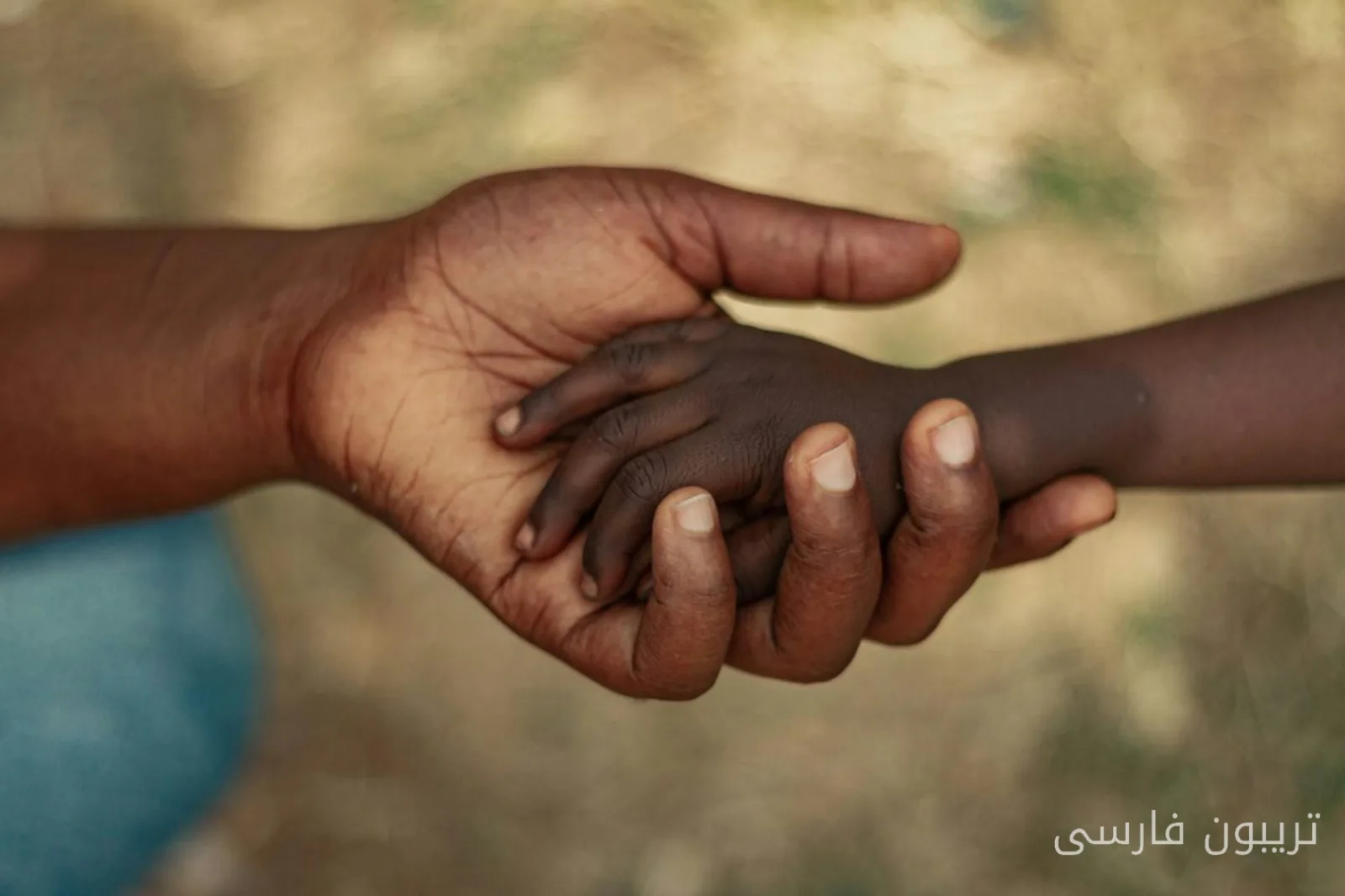
Child protection social workers in South Africa bear a heavy responsibility during times when children are abused or separated from high-risk families. These workers must listen to painful details, assess dangers, and make urgent decisions. After children are moved to safe places, these workers must deal with subsequent cases.
Mental Burden and Need for Support
Research shows that many of these workers silently struggle with heavy emotional and psychological burdens that result from frequent exposure to family crises and abused children. In the Eastern Cape province, where 5,100 social workers serve a population of about 7.2 million, this problem is clearly evident. In the 2024-25 year, the South African police recorded over 22,000 cases of sexual crimes against children.
Read more: Putin's Threat to the West and the Ukraine War; New Consequences for Energy
Factors Affecting the Mental Health of Social Workers
These workers face multiple challenges such as resource shortages and inadequate supervision. Their workload is significantly higher than the standard, with some handling over 160 cases. While policies have set a maximum of 60 cases per social worker, this high workload not only affects the quality of services but also increases the risk of burnout. Many social workers report that these pressures negatively impact their personal lives as well.
Necessity for Better Training and Support
Research indicates that necessary training and support should begin during the education of social workers. These individuals need to become familiar with the concept of trauma and be able to identify it within themselves. Additionally, supervision should be regarded as a training skill rather than just an administrative process. Employers should provide a structured space for workers to discuss and exchange experiences.
Ultimately, if the goal of social work is child protection, attention must also be given to the mental and emotional well-being of the workers performing this duty. This action can lead to improved service quality and help address existing crises in families and communities.
Read more: Emphasis on Distinguishing Between Legal and Illegal Electric Bicycles in Britain · Pride in the Successes of English Schools Amid Global Challenges