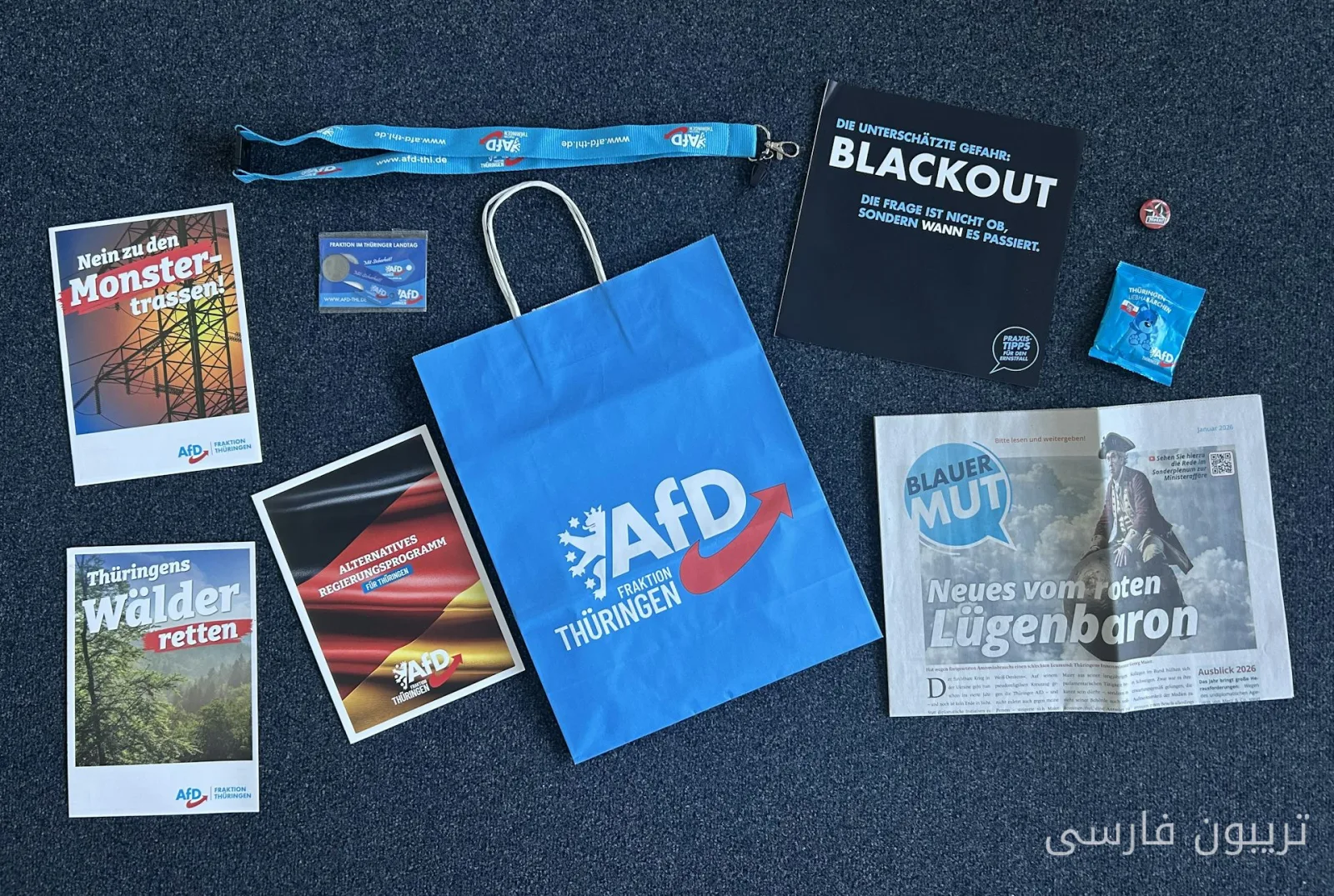
The far-right party in Germany, Alternative für Deutschland (AfD), has clearly emphasized its opposition to the development of wind farms following its recent electoral victories in the Saxony-Anhalt elections. This party aims to halt the energy transition towards renewable sources that Germany is rapidly implementing by changing energy policies.
Analysis of AfD's Strategy
AfD's victory in the Saxony-Anhalt elections, securing 44% of the votes and predicting success in the Mecklenburg-Vorpommern elections, indicates a significant shift in the country's energy policies. This party has consistently emphasized in its electoral statements that traditional energy policies, especially regarding wind farms, are ineffective and concerning, using the term "old parties" (Altparteien). This approach has sparked controversy, particularly in the context of environmental protection and biodiversity.
Read more: Educational reforms in Northern Ireland limit children's language learning
Consequences of New Policies
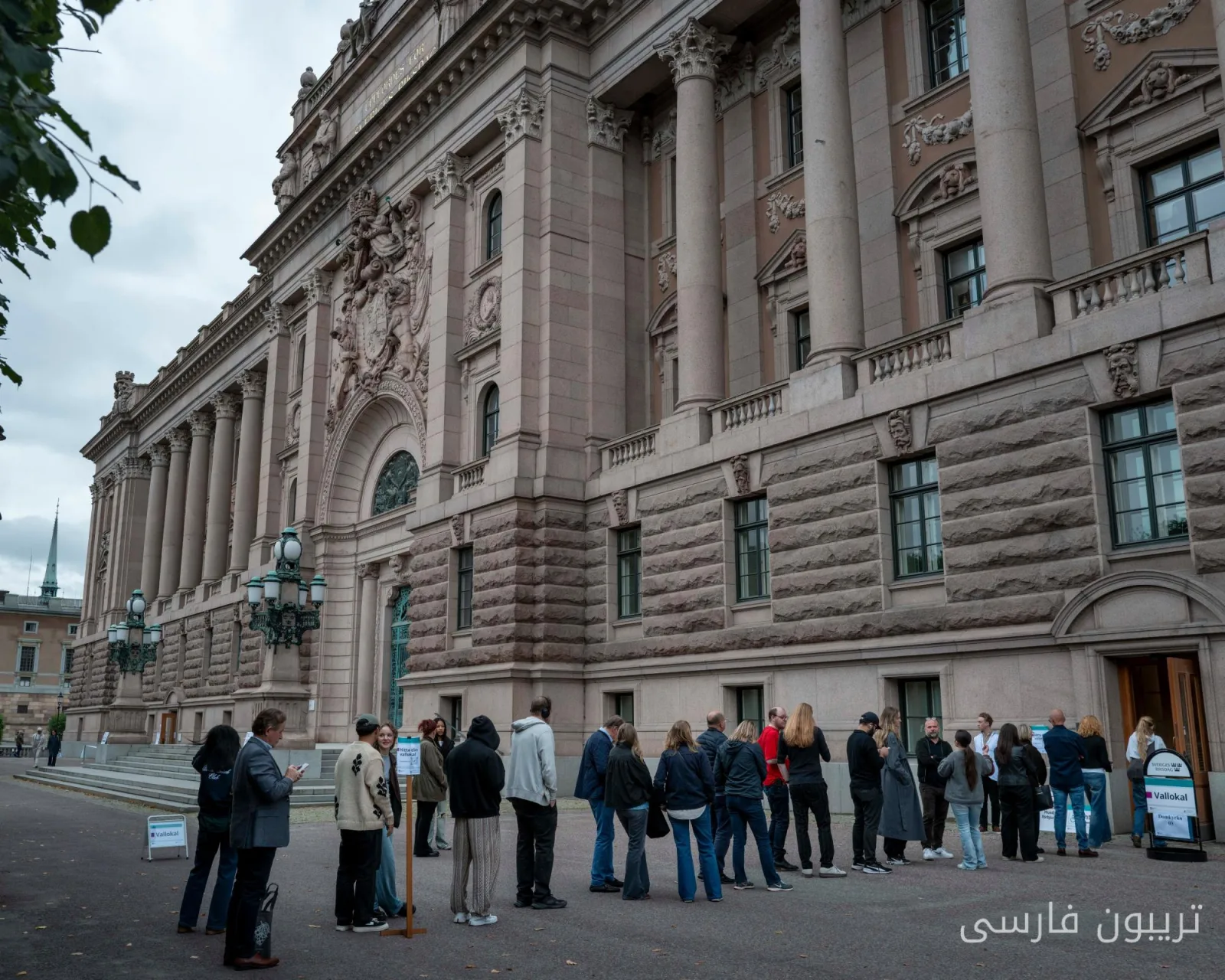
AfD's opposition to wind farms will specifically lead to challenges where this party presents itself as a supporter of a community concerned about the negative impacts of wind farms on the environment and biodiversity. By holding informational events in German parliaments, the party has been outlining the dangers posed by the expansion of wind farms and is trying to attract more supporters. In fact, these actions could lead to a reconsideration of Germany's energy policies and weaken efforts to achieve national and European greenhouse gas reduction targets.
Despite recent victories, AfD has not yet achieved an absolute majority and needs a coalition to form a government. This situation could hinder the realization of the party's electoral promises, as other parties may seek to form coalitions to prevent the further rise of the AfD. This indicates that even with AfD's influence, there are serious challenges in implementing the party's anti-wind farm policies.
Ultimately, AfD's victory in the elections is not only a threat to wind farms but also a turning point in Germany's political changes that could lead to a reconsideration of the overall approach to renewable energy and the environment. If these developments continue, they may seriously impact Germany's energy future and influence European climate policies as well.
Read more: Growing concerns about the dangers of artificial intelligence, including warnings from Greg Stanton · Scientific discussions about solar radiation management and its consequences