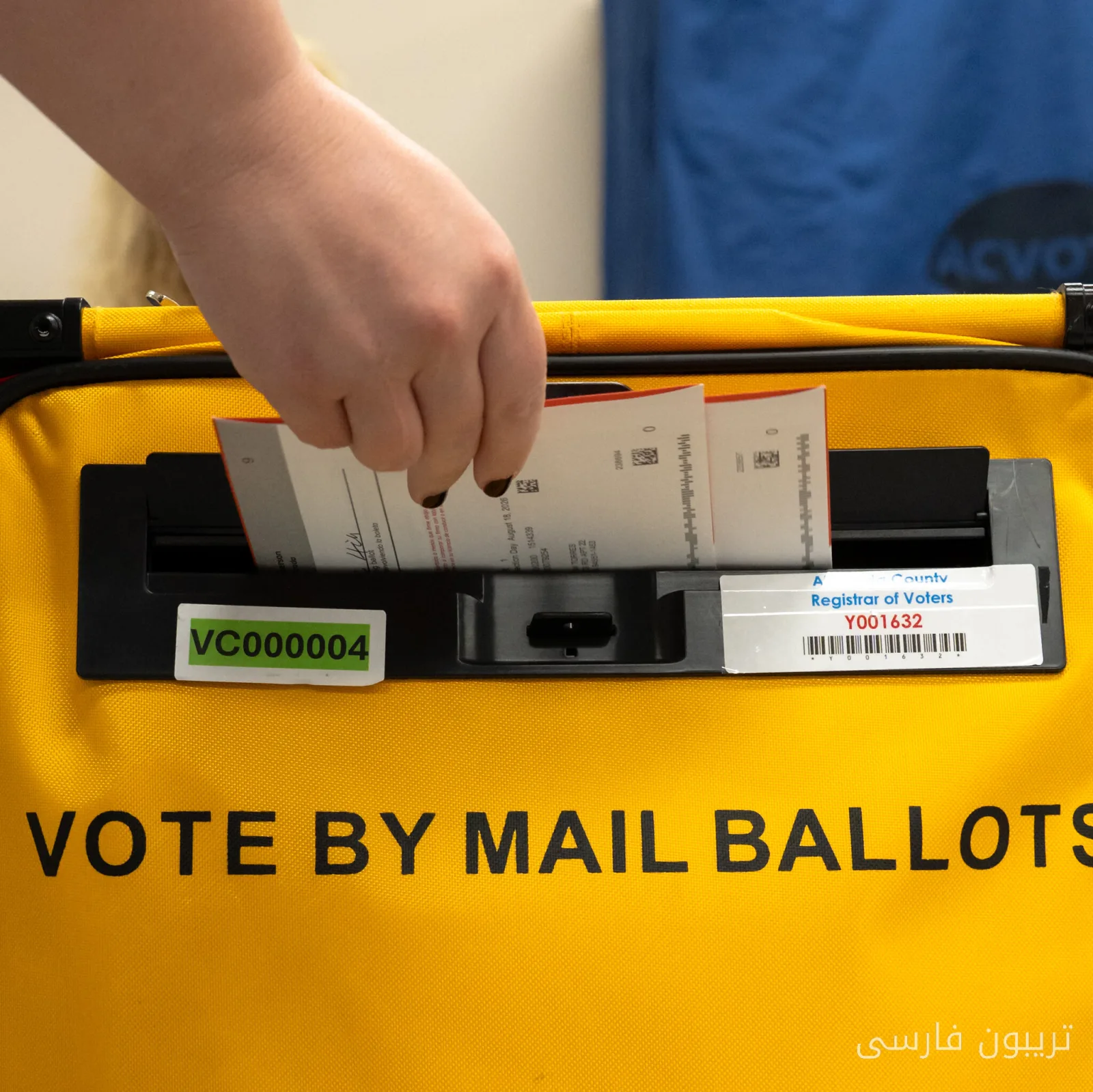
The U.S. Supreme Court recently rejected Donald Trump, the former President of the United States, request to change mail-in voting laws. This decision not only impacts Trump's political future but may also indicate the Supreme Court's willingness to uphold current electoral laws. This text will analyze the dimensions of this decision and its consequences.
Background of Trump's Request
The Trump administration in 2020, during the presidential election, repeatedly criticized mail-in voting, labeling it a tool for election fraud. These criticisms intensified after his defeat in the election, and Trump attempted to make changes to voting laws through various requests. Trump's recent request to the Supreme Court aimed to limit the scope of mail-in voting and implement stricter regulations.
Read more: Iran's success in recent dual wars impacts the country's role in BRICS
Analysis of the Supreme Court's Decision
The Supreme Court's rejection of Trump's request will directly influence public opinion and electoral policies. This decision could enhance public trust in the electoral system and also reflects the judiciary's inclination to maintain neutrality in electoral processes. With this action, the Supreme Court has responded to Trump's criticisms of mail-in voting and emphasized its independence.
On the other hand, the rejection of this request may increase political tensions in the United States. Trump and his supporters may perceive this decision as a political move against them and call for changes in the structure of the Supreme Court. This situation could lead to further polarization within American society.
Electoral Consequences
The Supreme Court's decision regarding mail-in voting could have profound effects on upcoming elections. By maintaining current laws, the likelihood of increased voting among various segments of society, especially young people and minorities, rises. This could benefit Democrats in the upcoming elections and diminish Republican power.
Conversely, the rejection of this request may send a message to Trump's supporters that they need to seek new ways to enhance electoral participation, as history has shown that attempts to restrict voting rights can lead to counterproductive results.
Ultimately, the U.S. Supreme Court's decision to reject Trump's request to change mail-in voting laws is viewed not only as a victory for democracy in America but may also have profound impacts on the political and social structure of the United States. While Trump seeks to strengthen his political base, this decision may be recognized as a turning point in the history of American elections.
Read more: Greg Stanton: America is in a good position in the Red Sea crisis · Congressional legislation and the rise of presidential warmongering after September 11