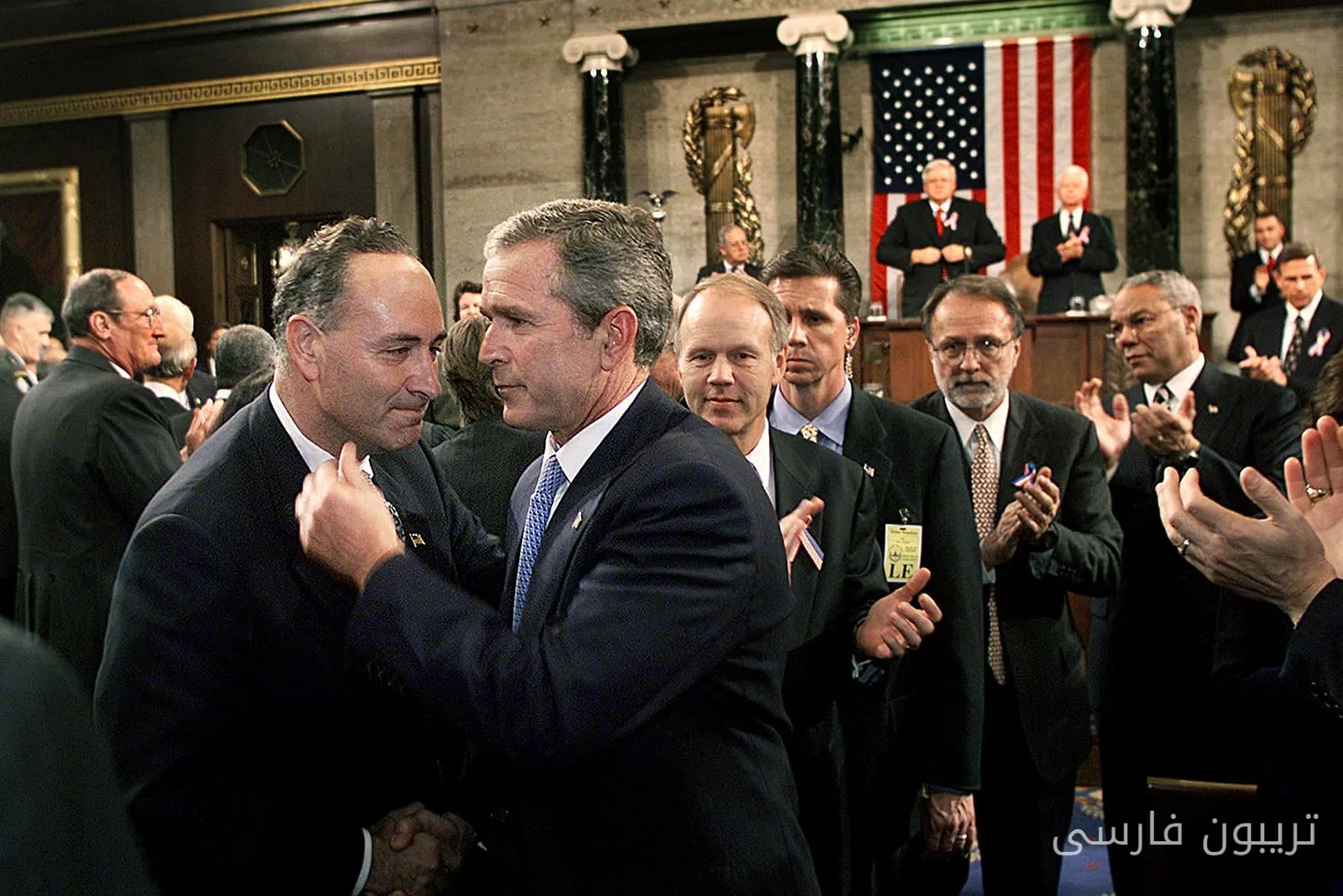
United States congressional legislation after the September 11, 2001 terrorist attacks has led to the establishment of new powers for the presidency in the realm of warmongering. By passing new laws, Congress granted the President the ability to take actions related to national security and the fight against terrorism using broad authorizations. These developments not only resulted in changes in military policies but also have profound impacts on the national security policies of the United States.
Historical and Legal Background
After September 11, Congress authorized the President to engage in combat with any country or group that he deemed a threat to national security by passing the Authorization for Use of Military Force (AUMF). This law became a powerful tool in the hands of the President and was particularly utilized during the presidencies of George W. Bush and Barack Obama.
Read more: Democrats' Victory; Will Washington Fall into Change?
With this decision, Congress significantly reduced its power to oversee wars and allowed the President to initiate wars without the need for congressional approval. This situation was particularly evident in cases such as the wars in Iraq and Afghanistan, where the President relied on this law to take unilateral actions.
Consequences and National Security Challenges
The impacts of these changes in congressional laws are clearly observable in the current policies of the United States. Military decisions made directly by the President not only affect the fate of various countries and regions but also influence domestic and international policies of the United States. This type of legislation has enabled the President to easily take actions without sufficient oversight, which may have serious implications for national security.
The criticisms directed at this process mainly focus on the lack of transparency and accountability in military decisions. While Congress, as the representative of the people, is responsible for overseeing military actions, the delegation of this power to the President has significantly reduced the ability for oversight and accountability.
Ultimately, these congressional decisions and the rise of presidential power in the realm of warmongering have not only led to changes in military policies but have also become a challenge for democracy and the rule of law in the United States. This trend requires serious reconsideration and action from Congress and other relevant institutions to ensure that military powers are held by individuals who can act effectively and responsively.
Read more: The Impact of Shocks and the Long Shadow of John Howard on Australian Politics in the 21st Century · The Role of Nuclear Norms in the Era of New Rivalries: The Brilliance of Wolf