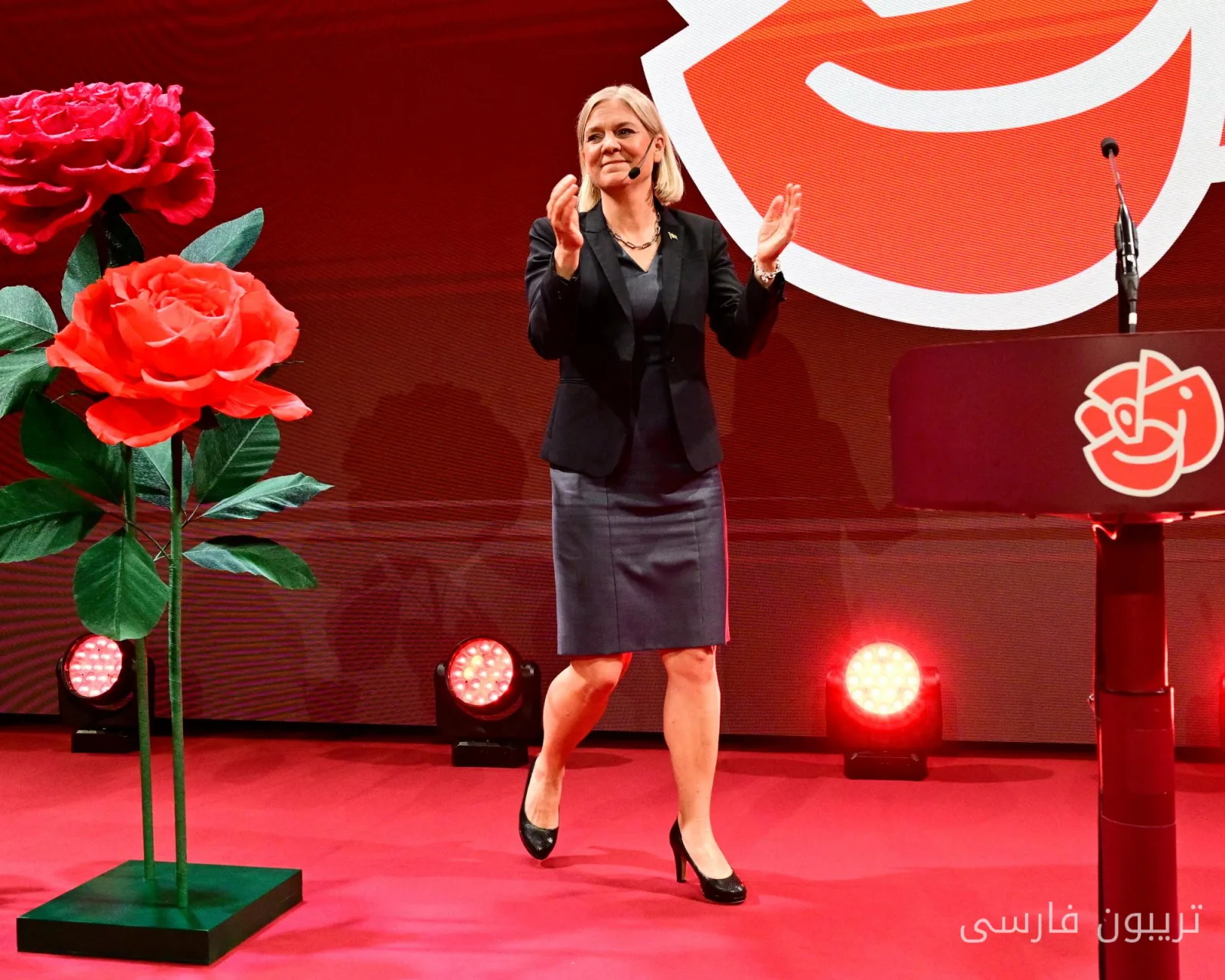
The Social Democratic Party of Sweden, led by Magdalena Andersson, has returned to power despite a 2% decrease in its votes in the recent elections. This return places the party's politicians in a difficult position, as they face internal party challenges and serious disagreements among their allies.
Analysis of Election Results and Party Status
In the recent general elections in Sweden, the Social Democratic Party recorded its worst result since 1908, with a 2% decrease. However, thanks to victories by its allies, including the Left Party, the Green Party, and the Centre Party, this party has managed to form a new government. This left-wing bloc, with a majority of only three seats in the new parliament, is highly vulnerable and at risk.
Read more: Ukrainian Writers Try to Understand the Kremlin's Mind
While these three parties have reached agreements on many economic and social issues, they have deep disagreements on sensitive topics such as immigration and crime. If Andersson continues with strict immigration policies, serious tensions may arise within her coalition. This situation is reminiscent of similar challenges faced by her Danish counterpart, Mette Frederiksen.
Internal Party Challenges and the Political Future of the Social Democrats
The Centre Party, which is less radical than other left-wing parties, is by no means willing to cooperate officially with the "Radical" Left Party and seeks to protect the market from excessive government intervention. This issue could lead to further tensions within the left coalition, and given the minority status of the government, there is a need for high discipline to continue functioning for a full term.
On the other hand, the Sweden Democrats, led by Jimmie Åkesson, despite their first defeat in a national election, do not seem to face negative reactions from voters. Åkesson is recognized as the only effective leader of this party, and his supportive strategies have contributed to the party's success. This party is now fully normalized within the right bloc, and its nationalism has generally gained traction among other major parties, including the Social Democratic parties.
Ultimately, although Andersson may believe that the "Danish model" has been successful for her, the reality shows that this model could pose serious risks to the political future of the Social Democratic Party. To ensure the coalition's survival and attract new voters, Andersson must commit to a forward-looking political agenda in economic and cultural areas.
Read more: Australia and the Forgetting of Its History in the Pacific · The United States Supreme Court Blocks Trump's Efforts to Limit Mail-In Voting