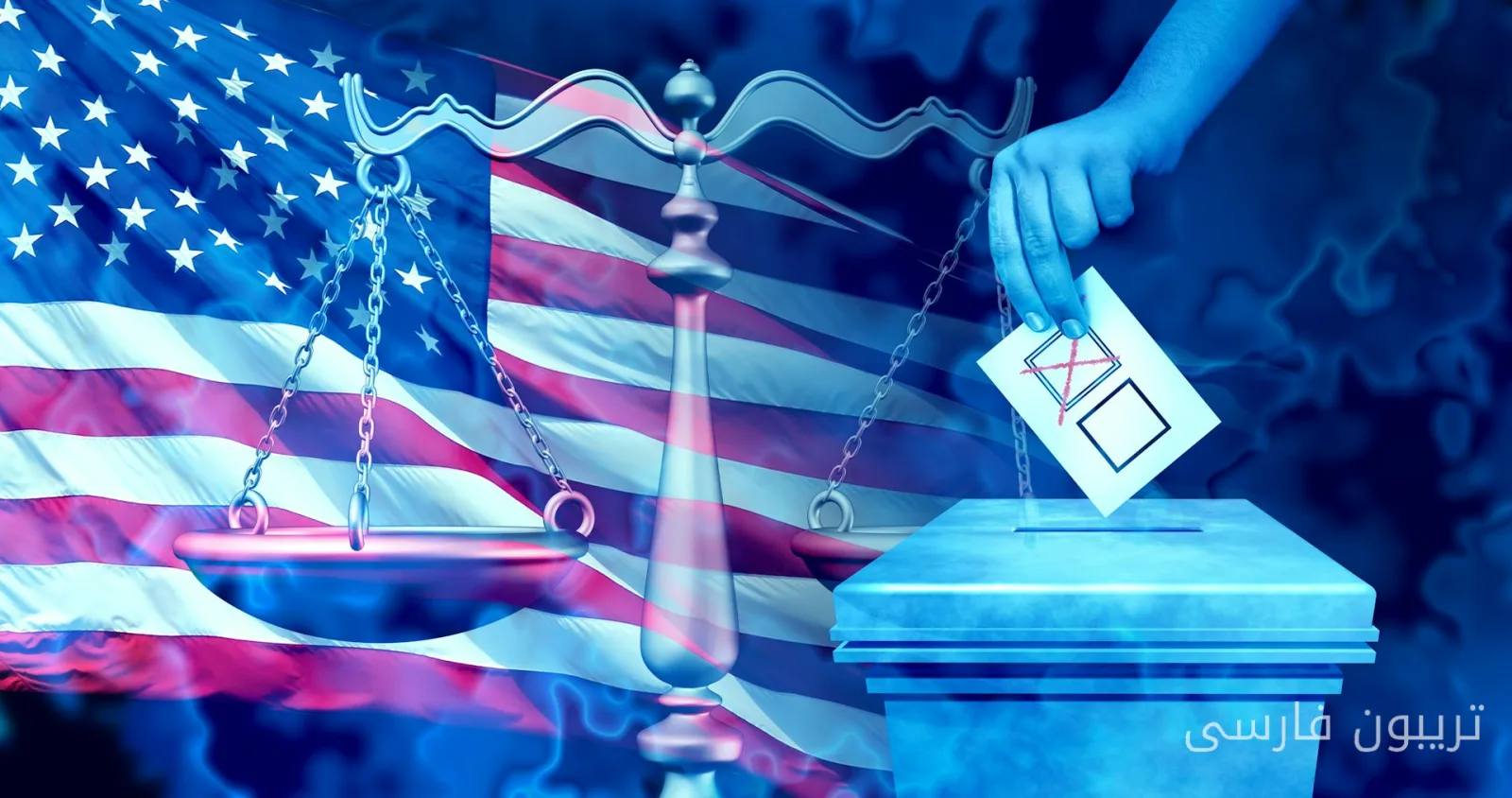
On September 14, 2026, the United States Supreme Court ruled 7 to 2 in favor of legal challenges against former President Donald Trump's executive order regarding the restriction of mail-in voting. This decision means the continuation of mail-in voting for the 2026 midterm elections and indicates the government's inability to change voting laws without the approval of Congress or the states.
Background and Challenges
The issue began in March 2026 when Trump issued an executive order aimed at maintaining "integrity in federal elections." This order included new requirements for the United States Postal Service (USPS) that specifically outlined the design and approval of ballot envelopes and new requirements for sending mail-in ballots. Under this order, states were required to submit a list of eligible voters for mail-in voting to the USPS 60 days before election day. This order directly harmed voters, as ballots sent that did not comply with USPS requirements would be invalidated.
Read more: Convention on the Legal Regime of the Caspian Sea and Iran's 20 Percent Share
Legal Developments and Implications
This executive order quickly faced two lawsuits: one from state officials and another from voting rights organizations. They argued that the President had no unilateral authority to change voting methods and that only states and Congress were authorized to regulate these matters. Federal courts also agreed with these claims and halted Trump's executive directives.
On August 24, 2026, the Supreme Court ruled 6 to 3 in favor of the Trump administration, but due to the non-implementation of the executive order, states had not been legally harmed. This allowed the USPS to continue drafting new regulations, although these regulations clearly contradicted previous court rulings. On August 26, a district court judge overturned the prior ruling, and the USPS published new rules that included stricter requirements for states.
After the release of these rules, election officials were left severely confused and faced challenges in implementing these requirements. The USPS regulations did not specify a clear deadline for approving the design of envelopes, leaving states with little time to meet the requirements.
Ultimately, after a renewed lawsuit, a federal court issued a new preliminary injunction on September 4, 2026, halting the implementation of USPS regulations. On September 6, the federal government requested the Supreme Court to stop this injunction, but on September 14, the Supreme Court ruled to uphold the preliminary injunction, indicating that the federal government had little chance of success in this challenge.
This Supreme Court decision not only helped protect voters' rights but also emphasized the importance of checks and balances in the American electoral process. This case clearly illustrates the legal and political challenges present in the United States' democratic system and underscores the vital role of courts in upholding civil rights.
Read more: Increase in AfD's Popularity in Germany and Efforts to Attract Immigrant Votes · Controversial Analysis by Trita Parsi: How Trump Removed Iran from the Headlines