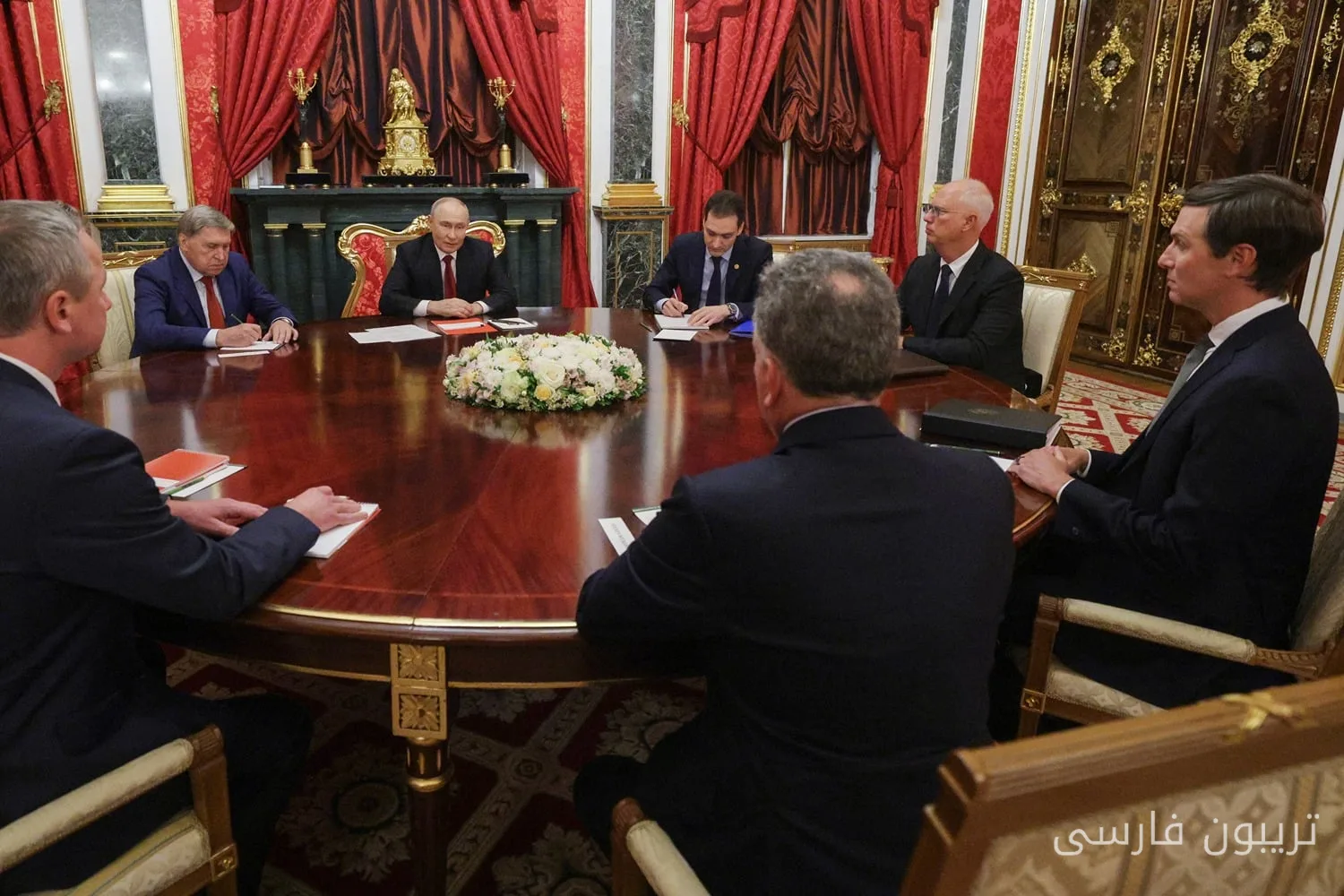
America has recently sent its representatives, Steve Vitkoff and Jared Kushner, to Moscow and Kyiv in an effort to revive negotiations with Vladimir Putin and Volodymyr Zelensky. This move comes as more than six months have passed since the stagnation in talks between the United States and Russia. Washington rightly continues these negotiations, but its diplomacy remains unstable and unpredictable towards Russia.
Challenges of U.S. Diplomacy Against Russia
Vitkoff and Kushner's meetings in Moscow and Kyiv did not yield specific results, and no signs of progress on key issues were observed. High-level diplomacy may open new doors, but it cannot replace official channels and institutional capacities for utilizing them. Ultimately, the war in Ukraine must end at the negotiating table, but what happens on the battlefield shapes the conditions for any ceasefire or agreement.
Read more: Analysis of the Reasons for Policy Changes in Australia with the Concept of the Overton Window
Need for Sustainable Diplomacy
It is important for America to engage in dialogue with Russia not only in managing the Ukraine conflict but also on other issues such as nuclear risks, strategic stability, space, and other topics. This need for challenging and difficult interactions with a tough counterpart is essential, especially when American interests require it. However, after more than a decade of pressure and isolation, the United States has lost many of its capacities for managing sustainable interactions with Moscow.
Although there are logical reasons to impose costs on Russia, these policies also have secondary effects. One of these effects is the weakening of the human and institutional infrastructures that the United States has relied upon. The Russians are tough negotiators, and the experience of American officials against them shows that they usually enter negotiations with preparation and discipline.
History has shown that the United States has recognized the importance of continuous diplomacy in the past. During the Cold War years, even in the toughest years, there were efforts to expand interactions. These interactions, especially in the fields of science, medicine, and culture, were seen as effective tools for managing conflicts. Therefore, sustainable and continuous diplomacy is essential not only for managing current crises but also for building future relationships.
Read more: Research shows that the type of thinking influences emotions and mood · Trita Parsi: 60 percent of U.S. military forces oppose war with Iran