Recent Ukrainian attacks on two gas processing facilities in the Yamal-Nenets region of Russia have extended the depth of the war in Ukraine into the remote territories of the Arctic. These attacks, which occurred on September 9, mark the first time Ukraine has penetrated this deep into Russian territory and indicate significant changes in Ukraine's military strategy.
New Dimensions of the Ukraine War
The aforementioned attacks, carried out with the help of advanced technologies like Starlink, specifically targeted energy infrastructure that produces about 80 percent of Russia's natural gas. These attacks not only harm Russia's economic interests but also disrupt energy markets in Europe, which are heavily dependent on gas from this region. Former U.S. President Donald Trump advised Ukraine to refrain from attacking Russian fuel infrastructure, citing it as a factor that could drive up global energy prices.
Read more: Convention on the Legal Regime of the Caspian Sea and Iran's 20 Percent Share
Risks of Escalating Nuclear Tensions
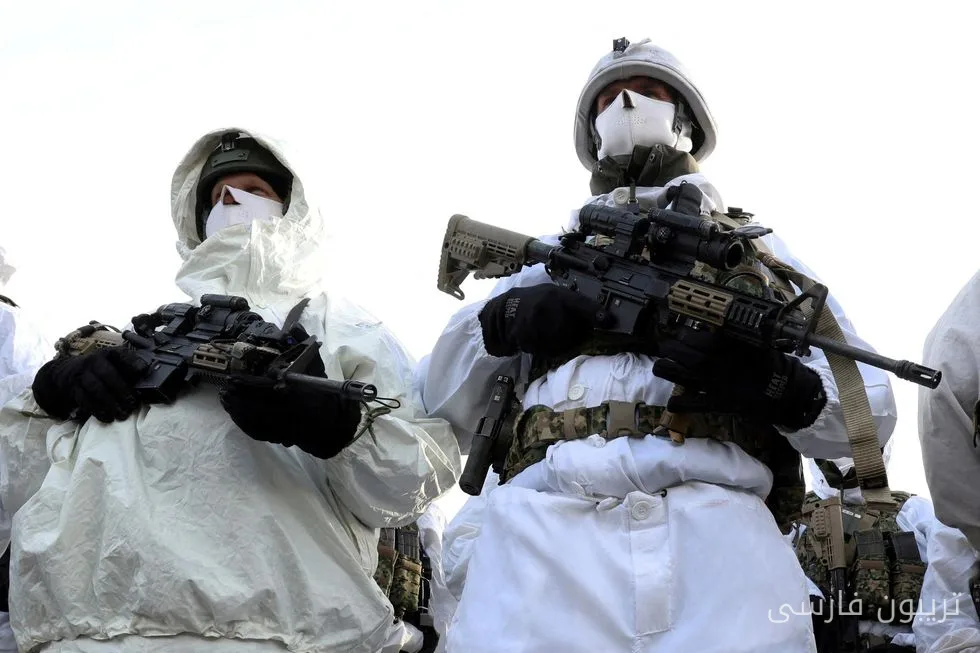
These attacks, in addition to their economic impacts, significantly increase nuclear tensions in the Arctic region. Both the United States and Russia are deploying bombers and strategic submarines in the northern Arctic Circle, which could lead to a larger confrontation. In fact, recent military actions reflect a classic security dilemma where both sides respond vigorously to each other's increased military activities.
Given the history of previous Ukrainian attacks on Russian military facilities, there are serious concerns about the lack of necessary mechanisms to manage tensions and prevent unintended incidents. While the Arctic was previously recognized as a place for multilateral cooperation and tension reduction, it has now become a theater of military competition with diminishing levels of trust.
Recent developments in the Arctic also indicate fundamental changes in relations between Russia and China. Due to diplomatic isolation resulting from the Ukraine war, Russia has moved towards strengthening ties with China. This move is seen as a practical response to Western pressures, but it also reflects Russia's unwillingness to sever cooperation with Western countries in maritime security areas.
Ultimately, given the current tense situation, the necessity for dialogue and international cooperation in the Arctic is felt more than ever. Only by establishing communication channels and dialogue can we prevent the escalation of tensions and the occurrence of unintended incidents.
Read more: Australia and the Forgetting of Its History in the Pacific · Impact of the Ukraine Energy War on Gas Prices: Who is the Main Culprit?