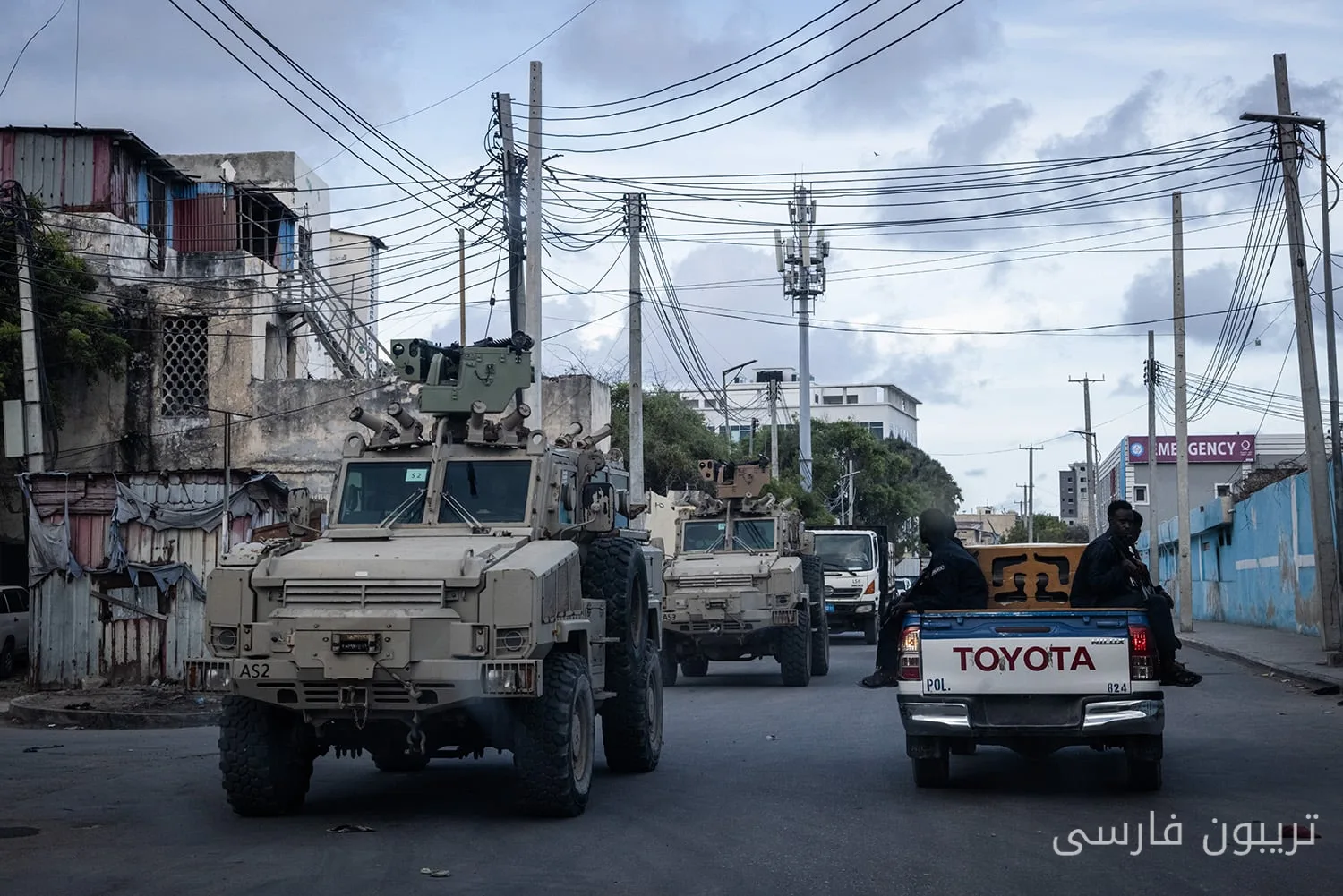
Al-Shabab in Somalia announced in July that the United States would cut its support for the United Nations Support Office in Somalia (UNSOS). This office provides logistical support, food, fuel, and medical supplies for the African Union's peacekeeping mission in Somalia. This decision, which will take effect on December 31, marks the end of U.S. support for the peacekeeping mission known as the African Union Mission in Somalia (AMISOM).
Evidence of Al-Shabab's Growing Power
Despite two decades of military intervention in Somalia, Al-Shabab, which is affiliated with Al-Qaeda, seems to have become stronger than ever. Analysts believe that the significant failures in combating this group are the main reason for the cut in support for the peacekeeping mission. For example, Abukar Arman, a political analyst and former Somali diplomat in the United States, points out that "the international community has not only failed to provide an effective strategy to defeat Al-Shabab but has also not taken any coordinated action."
Read more: The U.S. Must Be Prepared for Various Futures of Russia
Al-Shabab's Parallel Government and the Challenges of the Somali Government
Al-Shabab has established a parallel government with its own judicial and taxation system in the areas under its control. The group generates an annual income of between $100 to $150 million through taxation, while the Somali government's tax revenues amount to about $250 million. This situation reflects Al-Shabab's financial self-sufficiency and the Somali government's weakness in providing services to the people.
Al-Shabab has not only managed to provide services to citizens but has also cleverly gained legitimacy within the complex tribal society of Somalia. This is while the Somali government suffers from widespread corruption, and in many areas under its control, even in Mogadishu, people turn to Al-Shabab's Sharia courts.
Ultimately, the lack of serious cooperation from regional leaders with efforts to defeat Al-Shabab reflects the reality that some members of the Somali political class do not see victory over this group as aligned with their interests. This situation clearly demonstrates the failure of the international community to resolve the Somali crisis and the rising power of extremist groups.
Read more: Seyed Taha Hossein Madani Analyzed the Economic and Social Dimensions of School Reopening · Military and Commercial Cooperation Between Moderates and Moscow