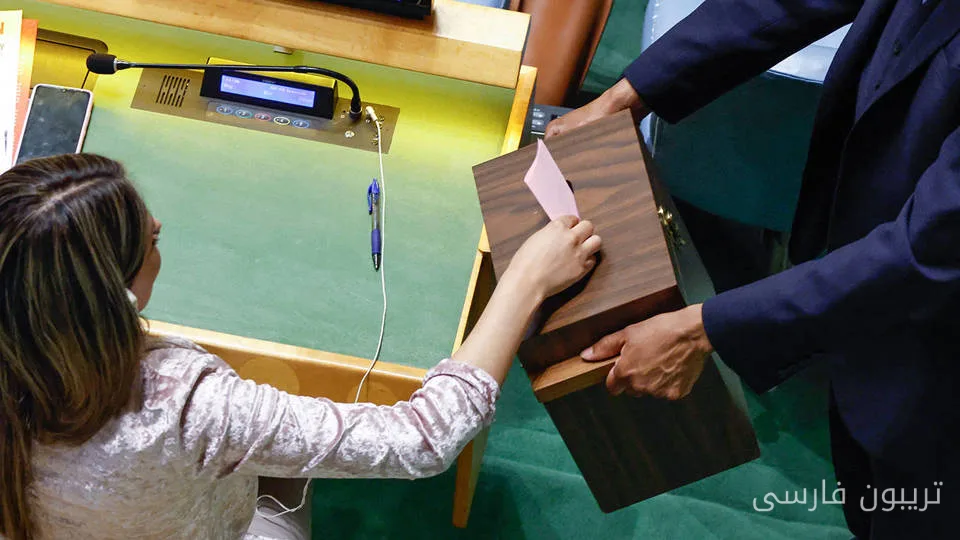
The United Nations, despite being the foundation of global governance, has seen its ability to implement necessary reforms and regulations severely limited. As world leaders prepare for the 81st session of the United Nations General Assembly in New York, this gathering has gained special significance due to the election of a new Secretary-General and unprecedented global and financial crises.
Financial Challenges and Global Crises
The United Nations has been forced to cut its 2026 budget by 9% and reduce one-fifth of its workforce due to declining financial resources and the failure of some member states to meet their financial commitments. Former Secretary-General António Guterres has warned that "the current path is unsustainable." Nevertheless, the United Nations remains an essential entity for maintaining global peace and security, supporting human rights, and sustainable development.
However, the existing limitations in the consensus-building process and its time-consuming nature have created a necessity for smaller and quicker collaborations under the term "plurilateralism." These types of collaborations can swiftly address issues that are often delayed within the framework of the United Nations due to the need for consensus.
Strengthening Democracy Through Multilateral Cooperation
Successful experiences in multilateral cooperation, such as the Extractive Industries Transparency Initiative (EITI), demonstrate that such entities can help address global challenges by strengthening democracy. For instance, in this initiative, members commit to transparency in their activities, and this transparency helps build public trust and reduce corruption.
In the realm of critical minerals essential for the next generation of clean energy, several multilateral initiatives are taking shape. Some of these initiatives have clear standards, while others may be limited to trade agreements. This could lead to problems similar to those experienced during the extraction of fossil fuels if human and environmental standards are not properly adhered to.
For this reason, it is essential for multilateral entities to focus on three main pillars: promoting practical actions, encouraging broad participation, and establishing independent monitoring mechanisms. These goals not only contribute to improving democracy but can also support the United Nations' mission to create a better and fairer world.
Ultimately, to avoid repeating past mistakes, there is a need to establish strong and transparent mechanisms from the outset. Otherwise, reliance on critical minerals could lead to a recurrence of the problems that arose from fossil fuel extraction in developing countries.
Read more: The Rise of Al-Shabaab Amidst Cuts in International Support · Farewell to Annual Voting; Is This Really in Our Best Interest?