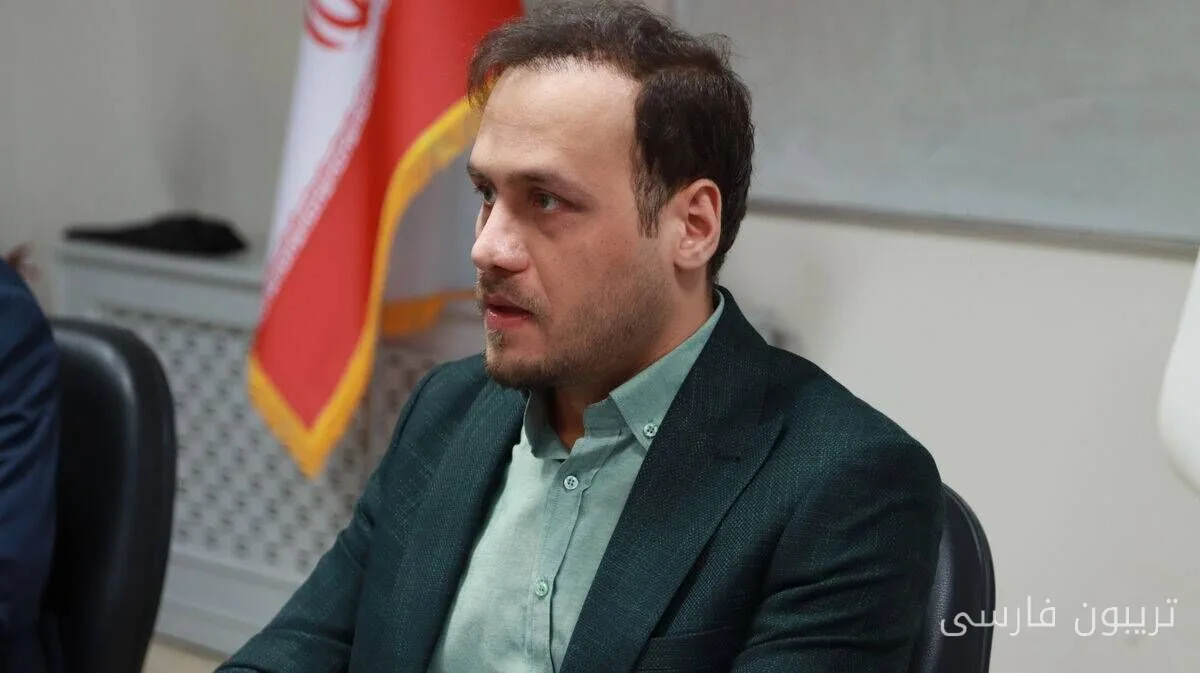
Seyed Taha Hossein Modani, head of the Smart Governance Think Tank, addressed the complex decision-making aspects regarding the reopening or non-reopening of schools in the specialized meeting "Examining the Economic and Social Effects of School Reopening from the Perspective of Smart Governance." After the experience of the COVID-19 pandemic and the closure of in-person education, the country now faces a serious dilemma at the threshold of the new school year, which will impact the lives and futures of over 16 million students and their families.
Challenges of Decision-Making in School Reopening
Modani emphasized that education should be viewed as a multidimensional issue, not merely an educational one. Currently, the country is facing potential military and cyber threats, as well as infrastructural challenges, especially in the energy sector. Therefore, decisions regarding school reopening must consider various economic, social, and security dimensions.
Read more: Establishing a Funding Mechanism for Civil Society Organizations in Canada
He pointed out the error of "sectoral thinking" in macro decision-making and stated that a purely educational perspective on school reopening could lead to overlooking serious challenges in the areas of energy and security. On the other hand, any decision in this regard will have significant social consequences.
Global Experiences and Challenges of Virtual Education
Modani referred to the experiences of various countries in both in-person and remote education, noting that there are multiple challenges in this area. Educational inequality resulting from issues with communication infrastructure and lack of access to quality internet in various countries, including Egypt and the Philippines, are examples of these challenges. Even in the United States, severe social and economic inequalities among students from affluent and marginalized areas became apparent.
The head of the Smart Governance Think Tank also mentioned the threats posed by the continuation of virtual education, stating that this situation could lead to cybercrimes and psychological harm. Students, due to insufficient education in cybersecurity, easily fall victim to these crimes. Additionally, the detrimental psychological effects of virtual education could lead to academic decline and identity crises among the youth generation.
Ultimately, Modani emphasized that the goal of this meeting is not to make a definitive judgment about reopening or not reopening schools, but to outline a "comprehensive cognitive map" of the opportunities and harms of both approaches so that decision-makers can manage affairs with a deep understanding of the consequences of each scenario.
Read more: Drew Amodei: The Need for Foresight in Artificial Intelligence Development · Diplomacy at Sea: Practicing Diplomacy Before Tension in the South China Sea