The increase in geographical instabilities and climate change has led governments to advise people to prepare for potential crises. In this context, the UK government launched the Prepare initiative in 2024, recommending that citizens be ready for emergencies. This initiative follows similar projects, including preparEU, which emphasizes the need for rapid and active preparedness against threats.
Practical Preparedness for Crisis
These initiatives recommend that people have at least 72 hours' worth of food, water, and medicine on hand, as well as access to documents, cash, and communication tools. But will individuals really be prepared during a crisis, or will they be searching for essential items? Recent research shows that most people have less than half of what the UK government and the Federal Emergency Management Agency of the United States recommend. Only four out of every 1000 people reported being fully prepared.
Read more: The Decline of the United Nations' Credibility and the Need for Effectiveness in Multilateralism
The Role of Emotional Objects in Maintaining Identity
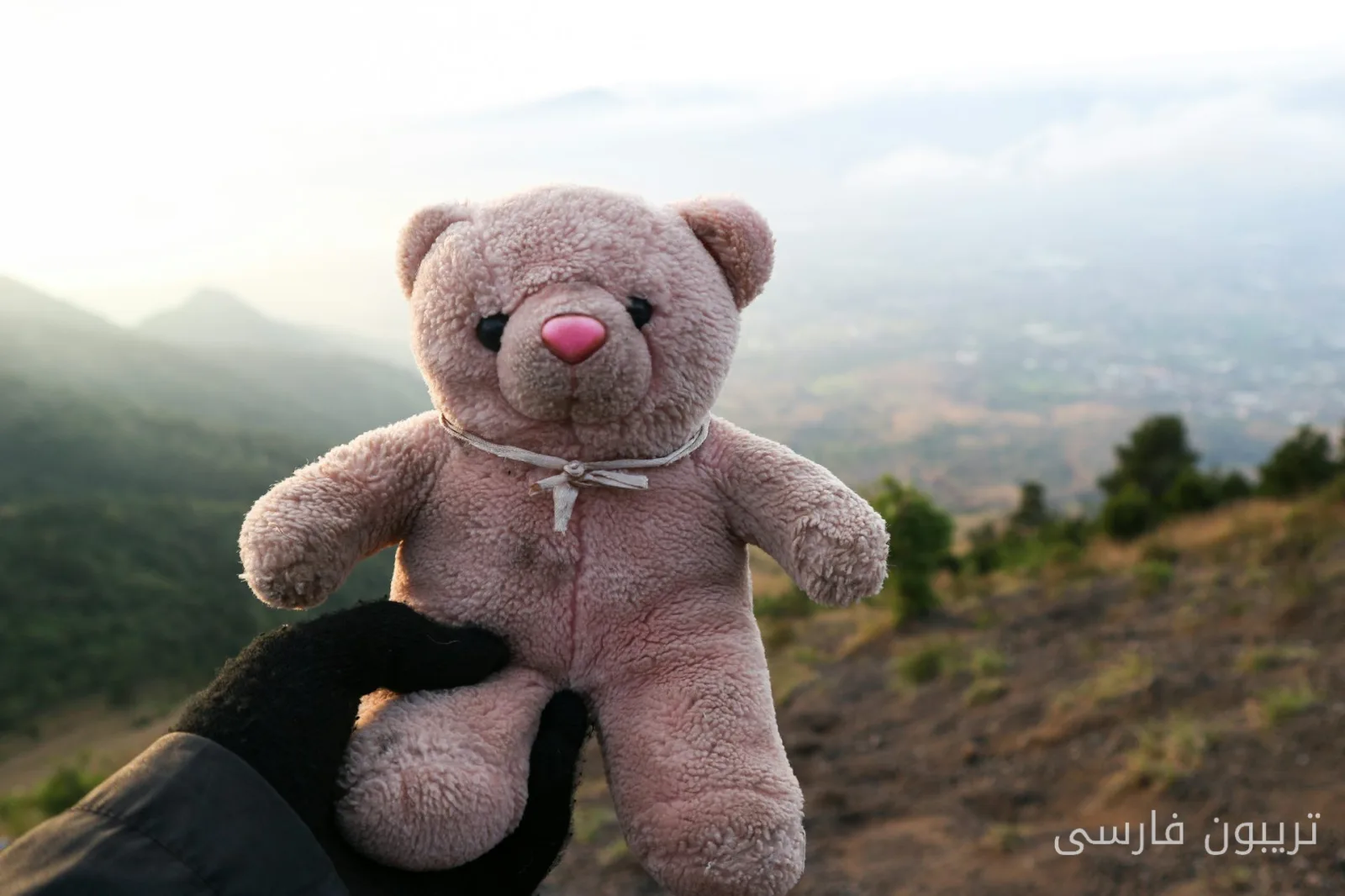
However, focusing on practical and essential items may overlook individuals' emotional needs. In a survey of 1000 British adults conducted in the After the End project, many participants emphasized that personal and emotional items such as jewelry, family photos, and even childhood teddy bears are essential for boosting their morale during a crisis. These objects help individuals maintain their sense of identity and feel stability and cohesion during tough times.
The self-expansion theory in psychology explains why these types of objects are important in everyday life and during crises. This theory states that our sense of self is fragile and is constructed and maintained through our connections with the world around us. Therefore, valuable objects can help us feel more normal during critical times and feel that we are still part of a stable identity.
Research shows that individuals with a stronger sense of self-efficacy can better cope with crises. Thus, preserving and saving emotional objects can help us maintain our identity and memory and ultimately aid in the reconstruction of communities.
Read more: The US-Saudi Nuclear Agreement Has Improved · Is Your City Prepared for Climate Disasters?