The United Nations, as the main institution of global multilateralism, has faced serious challenges in terms of credibility and effectiveness in recent years. These challenges have arisen not only due to political and social criticisms but also because of its inability to fulfill its promises in critical areas such as climate change and global peace.
Background and Evidence of Declining Credibility
Last January, Donald Trump, the former President of the United States, announced that his Peace Council might be created as an alternative to the United Nations. These statements may initially seem like a political joke, but they actually reflect dissatisfaction and distrust towards the United Nations. Many countries feel that this institution has been unable to address global challenges and are therefore seeking alternative options.
Read more: Examining the Roots of the Success of Far-Right Parties in East Germany
The Need for Effectiveness and Transparency
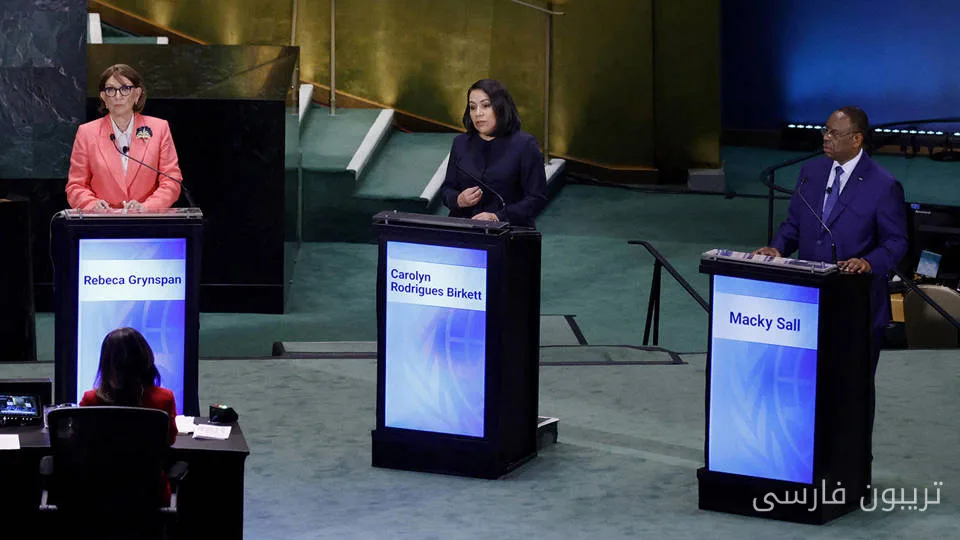
In a world facing multiple crises such as climate change, war, and pandemics, the United Nations must act as an effective and efficient institution. Transparency in the selection of officials, especially the next Secretary-General, as well as effective oversight of the implementation of international agreements, are among the key requirements for restoring the credibility of this institution. Furthermore, the United Nations must strengthen its ability to enforce international laws and agreements to establish itself as a credible institution on a global scale.
Ultimately, the credibility of the United Nations directly depends on its effectiveness. If this institution fails to fulfill its promises and achieve its goals, it will not only lose its credibility but may also be recognized as an unnecessary and ineffective entity. In such circumstances, the world needs an alternative and effective institution that can bring different countries together to face global challenges.
Therefore, the United Nations must urgently and seriously undertake fundamental reforms in its structure and operations. These reforms could include transparent selection of officials, strengthening oversight mechanisms, and improving communication with member states. Otherwise, the risk of losing the credibility of this institution and its replacement by other entities will become a reality.
Read more: The Australian Government Announces New Visa Regulations for International Students · The Extraordinary El Niño and Its Consequences on Global Climate