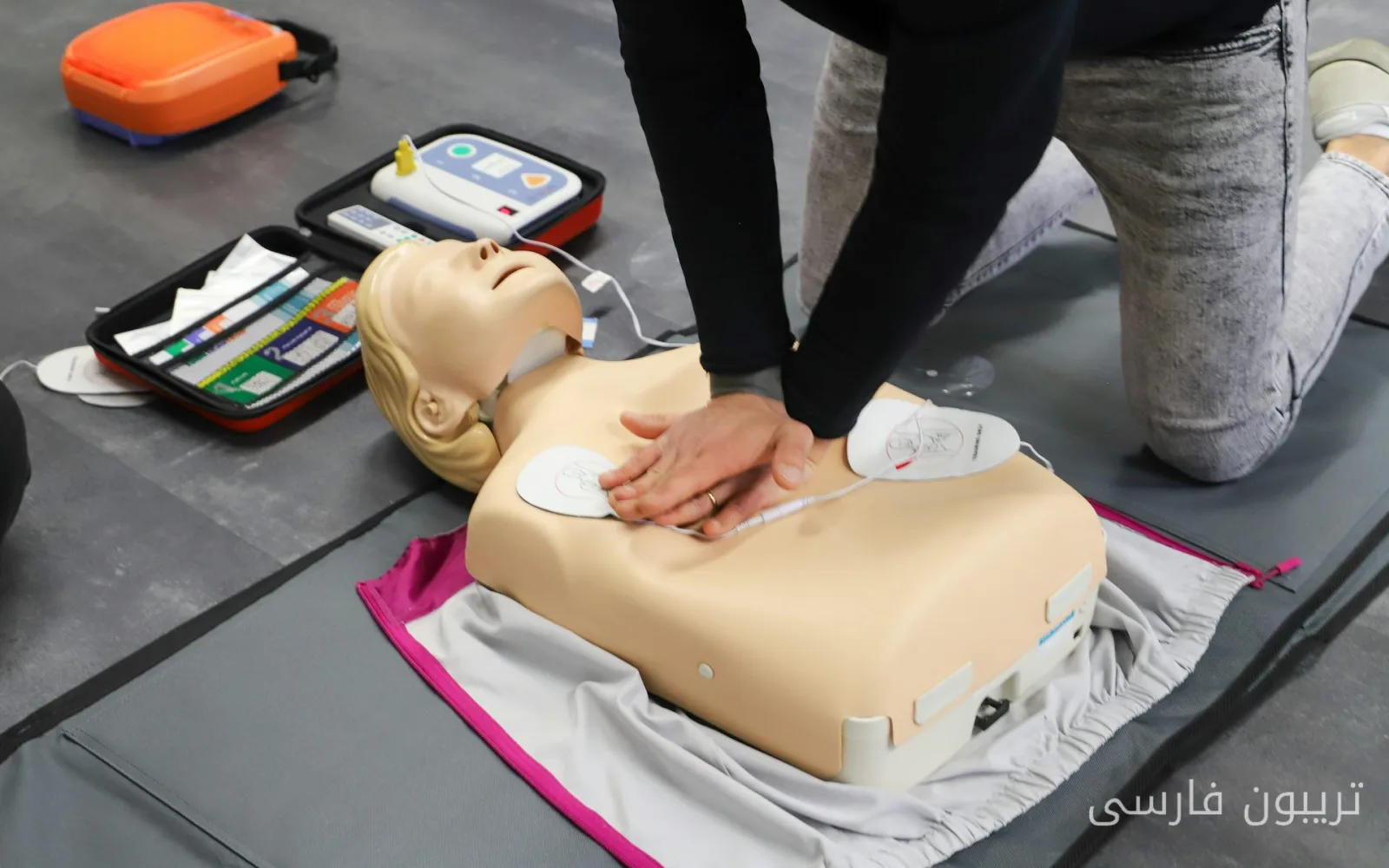
Medical research in recent decades has predominantly focused on men's bodies, and this can have serious implications for women's health. For example, a study conducted in 2024 found that 75 percent of CPR mannequin models are distinctly male or show no signs of gender. Only one of these 20 models had breast coverage, indicating a broader tendency in medical education and research to consider the male body as the standard.
Consequences of Ignoring Women in CPR
The lack of representation of women in medical research can have serious consequences. In a study in the United States that included 19,331 cases of out-of-hospital cardiac arrest, only 39 percent of women who suffered cardiac arrest in public places received CPR from bystanders, while this figure for men was 45 percent. A delay of even a few minutes in receiving CPR can significantly reduce the chance of survival, with individuals receiving CPR after 4 to 5 minutes having a 27 percent lower chance of survival compared to those who received CPR within one minute.
Read more: Guide to Traveling with Children and Reducing Jet Lag Effects
The Impact of Inequality in Medical Data and Artificial Intelligence
Moreover, in today's world, artificial intelligence in healthcare increasingly relies on medical data that is primarily based on research conducted on men. This issue can lead to the learning of incorrect patterns. For instance, in an experimental study on medical students, it was found that women with symptoms of heart disease were less likely than men to receive a diagnosis of the disease and referral to cardiologists, and their symptoms were more often interpreted as psychological issues. If AI systems are trained on such data, they may misinterpret incorrect patterns as actual diseases.
Ultimately, although the representation of women in medical research has improved compared to the past, many existing data in health systems are still collected in a way that considers men's bodies as the model. To advance in this area, research must be designed to identify existing patterns and avoid outdated assumptions. This is essential to ensure that apparent differences are understood and properly examined rather than being seen as signs of disorder in health.
Read more: Experiencing Trypophobia: Psychological Reactions to Hole Patterns · Obstacles to Cooperation between Trump and Xi Jinping on Artificial Intelligence Safety