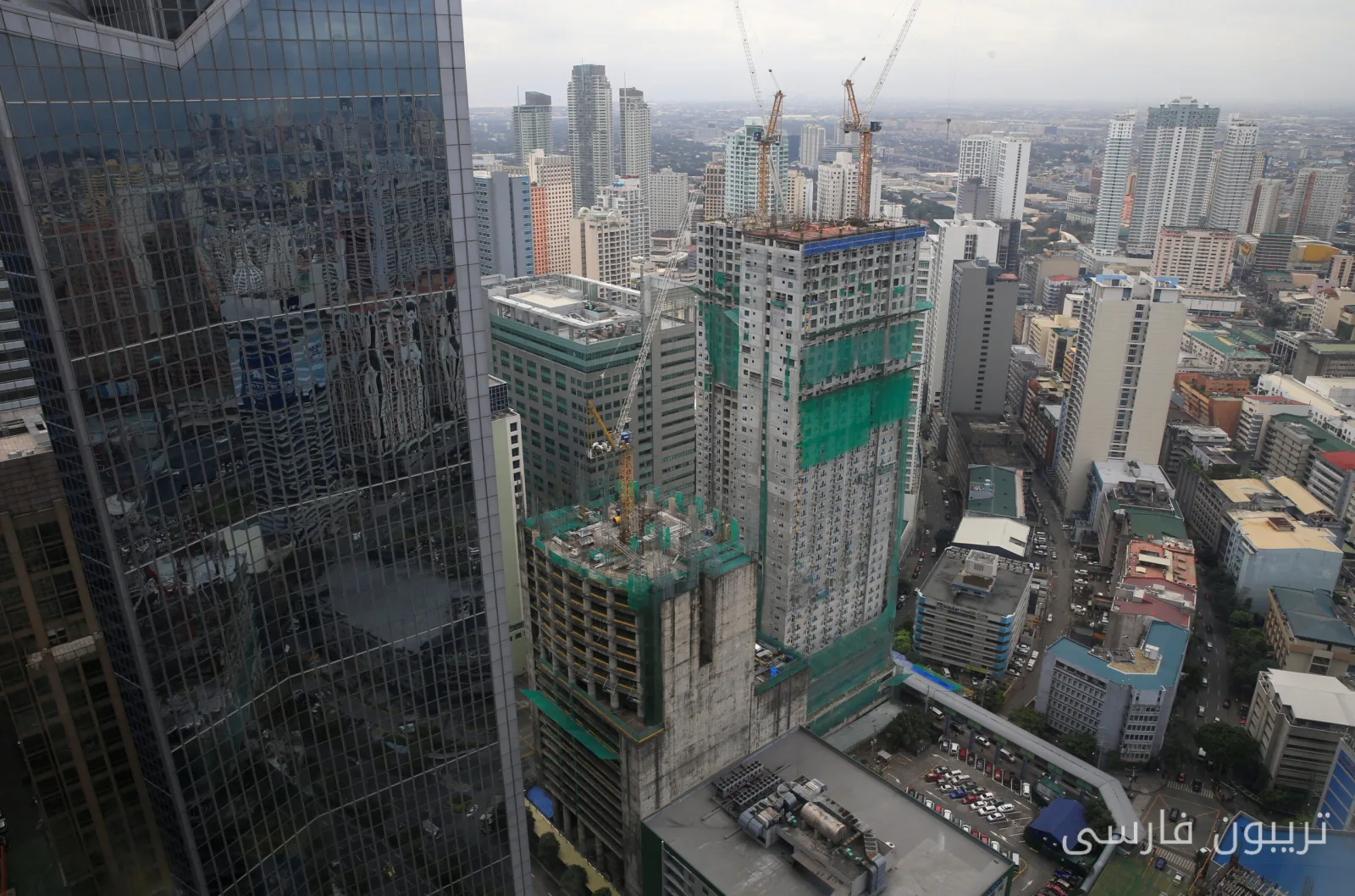
Australia is in the midst of a data center construction boom. With the increasing demand for digital services and artificial intelligence technologies, global tech companies predict that by 2030, they will invest approximately AUD 150 billion in the data centers of this country.
Investment Challenges and Economic Growth
The scale of this investment is hard to deny, but a more important question remains: Will Australia benefit from increased productivity and economic growth, or will it only experience a short-term construction boom? Data centers can create new jobs, strengthen digital infrastructure, and support the development of artificial intelligence. However, this trend may put pressure on the housing market, power grids, and skilled labor.
Read more: Advanced economy yields tangible results
Social and Economic Consequences
Data centers, as essential infrastructures, have become one of the controversial topics in policymaking in recent years. These centers, with the need for skilled labor and increasing demand for construction materials, can lead to rising living and housing costs. For example, Australia is facing a shortage of about 72,000 skilled workers, and reports indicate that some electricians with two years of experience are offered salaries of up to AUD 200,000 per year to work in data centers.
If data centers attract more labor, labor costs across the economy may rise, and housing and infrastructure projects may face delays. In this situation, housing affordability, which is one of Australia's biggest economic challenges, will be affected.
As the number of data centers increases, the demand for electricity and water will also rise. If supply does not grow to meet demand, prices for households and businesses will increase. Additionally, land use is another challenge; some locations designated for data centers could have been allocated for housing or other productive facilities.
Ultimately, the Reserve Bank of Australia has warned about capacity pressures in the economy and emphasized that data centers can contribute to inflation in several ways. Among these are stronger competition for skilled labor and increased demand for construction materials, which can drive up project costs.
In any case, the main question is who will capture the value created by data centers. Many of these centers are operated by multinational companies that control both software and artificial intelligence technologies, and if Australia only provides the infrastructure, long-term values may be transferred abroad.
Read more: Trump's red meat import plan worries farmers · Analysis of the impacts of artificial intelligence on the job ladder and employment