Boris Nadezhdin, an independent Russian politician, entered the race for the country's parliamentary elections last summer, seeking to bring about positive changes towards peace. However, he quickly realized that his efforts would face severe backlash from the government. He was forced to leave the country due to legal pressures to escape the risk of imprisonment.
Assessing the Political Situation
Nadezhdin, who is 63 years old, stated in an interview that his attempt to return to the political arena and propose peace has resulted in nothing but fatigue and despair. In this context, his removal from the political scene not only signifies further repression but also demonstrates the Kremlin's repressive policies against any criticism of the war in Ukraine.
Read more: Dani Citrinovich: Saudi Arabia is caught in a trap of two strategic defeats
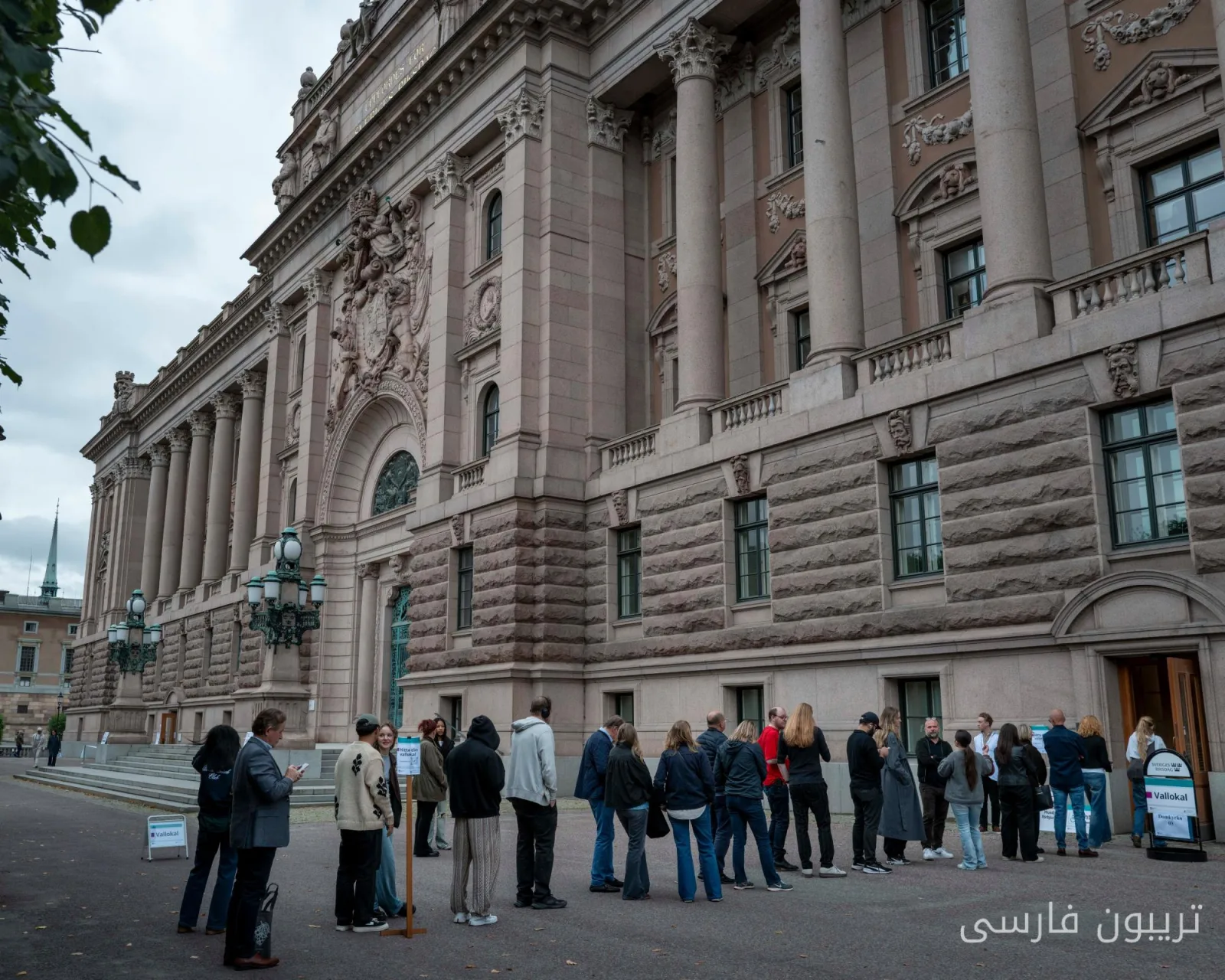
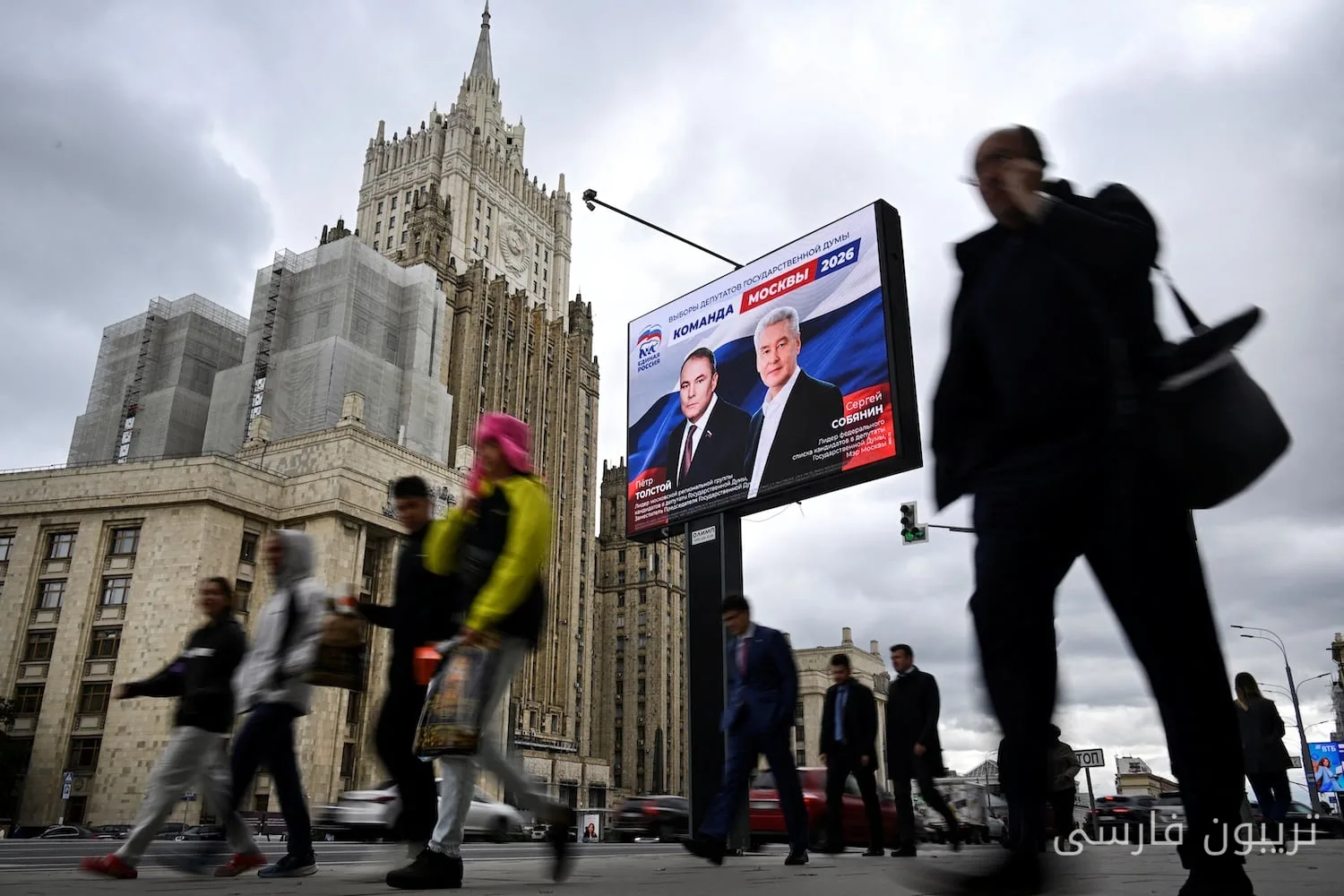
The Russian government is always seeking to maintain an appearance of public support for the war. Vladimir Putin, the President of Russia, announced at a party conference that the Duma elections, scheduled from September 18 to 20, are intended to confirm the stability of the government and reflect the common voice of millions. This is while the actual space for expressing dissatisfaction in these elections is severely limited.
Impacts of Political Repression
The elimination of Nadezhdin and other opponents from the political scene has serious consequences for civil society and the political future of Russia. In particular, the Yabloko party, recognized as the only anti-war party, has been barred from participating in the elections due to legal pressures. This indicates that the Russian government has absolutely no tolerance for criticism and swiftly silences any dissenting voices.
Amidst this repression, Russians are seeking ways to express their dissatisfaction with the war. With Ukraine's airstrikes deep into Russian territory and the failure to reach a peace agreement, the Kremlin may fear the possibility of holding elections with anti-war candidates, as this could undermine the foundations of public support for the war.
Overall, the current situation reflects a troubling trend in Russia's domestic policies, moving towards the repression of any opposition and the reduction of political space. This not only impacts the political future of Russia but may also lead to public distrust towards the government and its institutions.
Read more: The victory of leftist parties in the Swedish elections is an opportunity to redefine social policies · America must be prepared for various futures of Russia