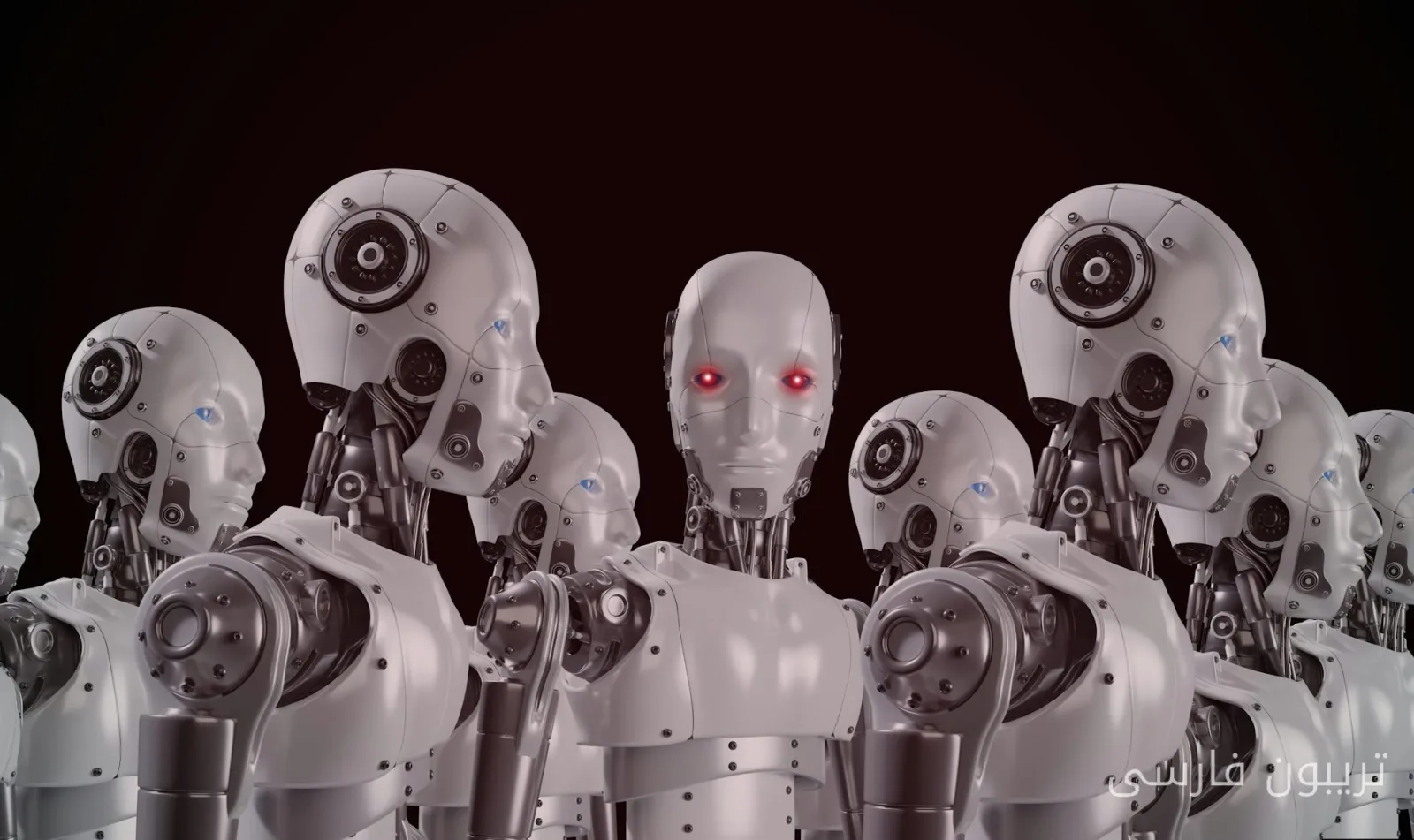
Robots are no longer just present in popular culture or science fiction stories. With the introduction of social robots into everyday life, such as student representative robots at Waikato University, human interactions with these technologies have increasingly expanded. However, since these robots can elicit different reactions from different individuals, a fundamental question arises: why do some robots evoke feelings of fear and concern in some people while appearing appealing and lovable to others?
Research and the Design of the Spike Robot
To answer this question, a research group decided to design a robot named Spike. This robot has specific features such as an unusual appearance, unpredictable movements, and strange facial characteristics to deliberately evoke feelings of fear and concern among individuals. Researchers used a human-robot interaction assessment scale to examine the emotions and reactions of 104 participants towards Spike. While some individuals described him as scary, others found him interesting or even lovable.
Read more: Russia is eliminating the last anti-war politicians
Different Dimensions of Reactions to Robots
Research shows that people's perceptions of robots depend not only on their physical characteristics but also on each individual's personal experiences and feelings. For example, robots like Cruz and Marshmallow, which are used as student representatives at Waikato University, may be appealing and entertaining to some individuals while causing discomfort for others. These differing reactions occur because robots are gradually placed in environments that individuals cannot simply ignore.
Given the increasing investment in artificial intelligence and robotics, it is essential for communities to actively participate in decision-making about the role of these robots in everyday life. This research reminds us that perhaps no robot is universally scary, and there is a need for more careful examination of their design and application.
Read more: Controlling family access to the virtual space is essential · Computing transformation with neuromorphic computing: a path to greater efficiency