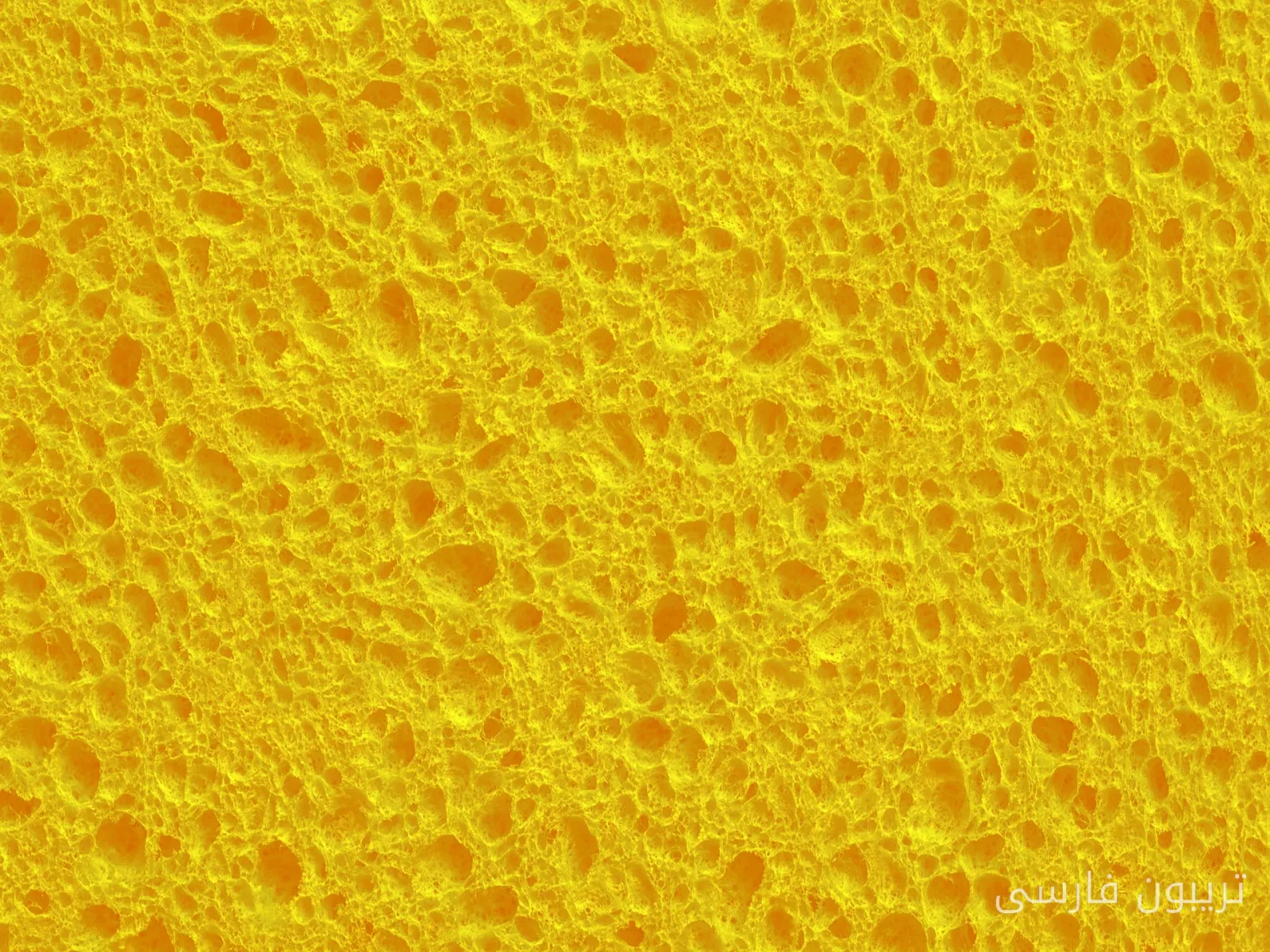
Trypophobia is a reaction specific to clusters of holes or circular patterns, affecting about one-sixth of the population in some way. This reaction, which is more commonly recognized as disgust, is generally not classified as an independent phobia and instead creates a sense of discomfort in individuals rather than fear.
Causes and Symptoms of Trypophobia
Although trypophobia is not recognized as an official phobia, many individuals who encounter this phenomenon experience intense discomfort from hole patterns such as the seed pod of a lotus or a honeycomb. In some cases, this feeling can be so severe that individuals avoid exposure to images that include these patterns. This avoidance can harm their daily lives and even lead them to steer clear of normal activities, such as cooking or even showering.
Read more: Why do wet clothes smell bad and how can it be fixed?
The Role of Social Media in Spreading Trypophobia
Social media, especially platforms like TikTok, have played an important role in raising awareness about trypophobia. Many individuals with trypophobia become familiar with this phenomenon through social media, and images deliberately designed to enhance discomfort can provoke stronger reactions. However, research shows that social media is not the only factor causing these reactions; about one-quarter of those facing trypophobia have never heard of it.
Two main theories have been proposed regarding the cause of trypophobia. The first theory relates to threat identification and claims that trypophobic patterns may resemble those found on poisonous or dangerous animals. The second theory relates to disease avoidance, suggesting that hole patterns may resemble skin injuries or signs of infection.
Consequences and Treatment Options
Fortunately, most individuals only experience mild symptoms of trypophobia and do not require treatment. However, if these symptoms begin to disrupt daily life, consulting a mental health professional can be beneficial. Exposure-based therapies, which involve gradual and safe exposure to images that the individual fears, may help reduce symptoms.
Recent research has shown that a single intensive therapy session can lead to a reduction in symptoms and help individuals engage more in daily activities. Trypophobia is more than an internet meme; it is a real and psychological experience that can range from mild discomfort to severe distress. These patterns can activate ancient psychological systems designed to identify threats and infections, leading to reactions that seem to exceed what the situation warrants.
Read more: Heavy failure of Saudi Arabia in Yemen with the capture of Ansarullah's lands · Dr. Anthony Rustin: Antidepressants are tools for treatment