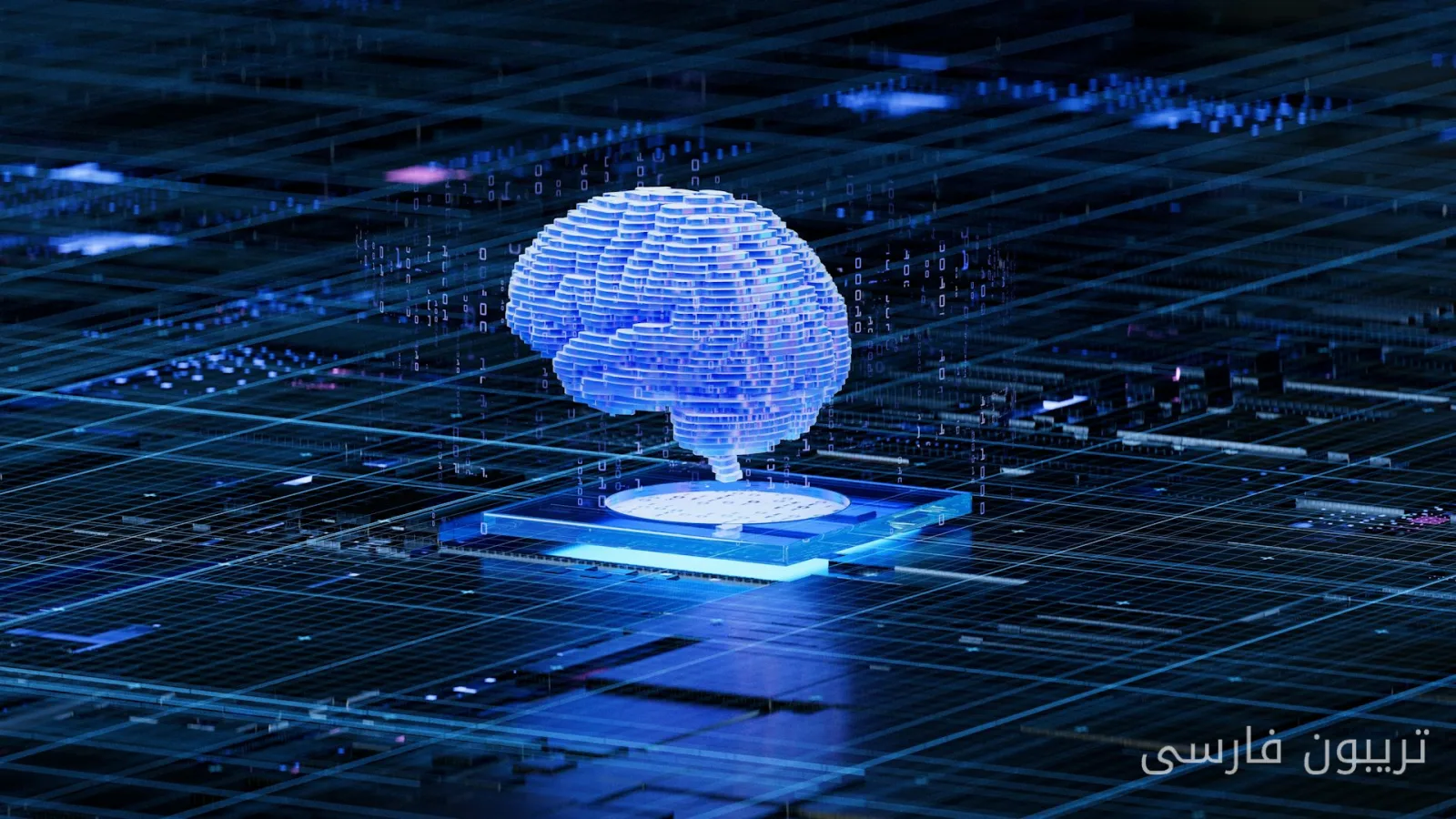
Neuromorphic computing, known as brain-inspired computing, aims to bring computational capabilities closer to the efficiency of the human brain. The human brain, operating on about 20 watts of energy, offers remarkable abilities in information processing and learning. In contrast, today's artificial intelligence systems require vast computational infrastructure and energy to achieve even a fraction of these capabilities.
Computational and Energy Challenges
Computational processes in the human brain are carried out using neurons and synapses. Each neuron sends an electrical pulse when it receives signals from its neighbors and surpasses a certain threshold. This type of efficiency is made possible by optimal energy use and the integration of memory and processing at the synapses. In contrast, in conventional chips, the processor and memory are separate, leading to increased data transfer and energy consumption. This issue is known as the "Von Neumann bottleneck," introduced by John Backus in 1978.
Read more: The Future of Communication: What Are AI Languages?
Advantages of Neuromorphic Computing
Neuromorphic computing addresses these challenges by bringing memory and processing closer together, utilizing sparse representations (where most values are zero), and performing computations only when events occur. Event-based sensors, designed similarly to the human retina, react only when changes in the scene are observed, thus consuming less energy and performing better under rapid movements and extreme lighting conditions. These advantages are particularly significant in self-driving cars and space, where power is limited and lighting conditions vary.
While it may be assumed that neuromorphic hardware could be as impactful as NVIDIA's graphics processing units in the world of artificial intelligence, these two types of chips differ in performance and design. Neuromorphic hardware seeks to create a range of specialized chips rather than focusing on dense and repetitive computations.
BrainChip, a company in Australia, has introduced a commercial neuromorphic processor to power sensors and cameras with minimal power consumption. Neuromorphic hardware is expected to coexist with conventional processors and existing graphics cards, performing tasks where their efficiency advantages are evident.
Future Outlook and Challenges
Another advantage of neuromorphic computing technologies is processing data at the point of generation, which can help preserve privacy and cybersecurity. This capability allows devices to operate offline without the need to send data to a remote server. This feature is crucial in applications requiring rapid decision-making, such as self-driving cars and robots.
Although this type of computing will not eliminate the need for data centers, it can significantly enhance their utilization. IBM has demonstrated energy savings of up to 10,000 times with its TrueNorth chip compared to conventional digital architectures.
The history of computing shows that such transformations are possible. The first computers were so large and power-hungry that they occupied entire rooms. Now, a chip smaller than a fingernail in your smartphones has far greater capabilities. Neuromorphic computing offers the potential for a similar revolution by rethinking how computations are performed.
Realizing this promise requires sustainable infrastructure and collaborations among academia, industry, and government. The global neuromorphic technology market is expected to reach $20 billion by 2030. Therefore, establishing open access facilities and common standards is essential to achieve this goal.
Read more: Gart Milarik and Creating a Comedy with AI: Will It Make You Laugh? · Negative Impacts of Technology on Democracy: Lessons from Facebook and AI