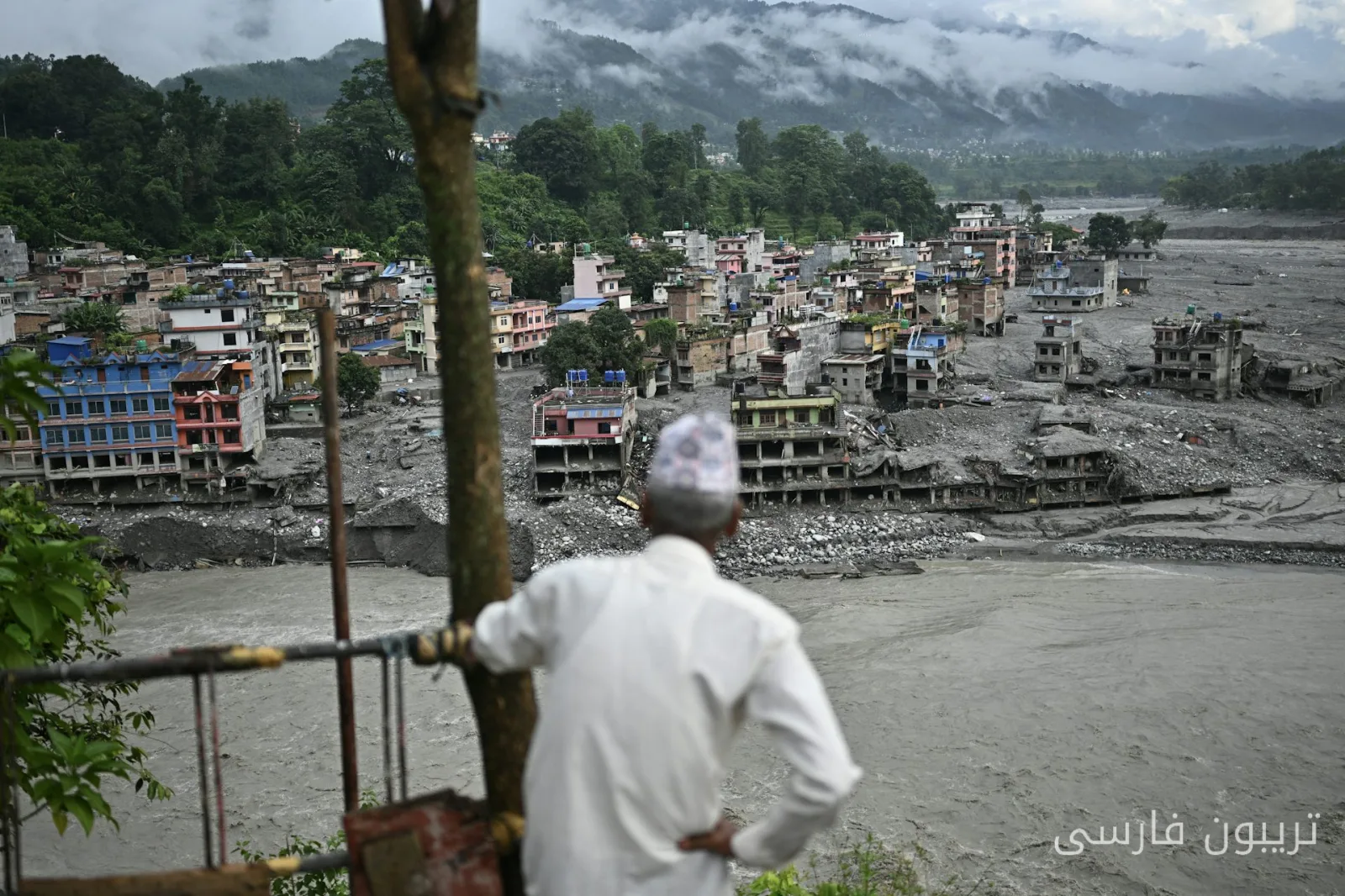
Nepal, facing immense challenges from devastating floods that have impacted the mountainous communities of the country, is seeking compensation from the Global Climate Loss and Damage Fund. Nepal's Foreign Minister, Shishir Khanal, emphasized that this request is not merely a plea for aid or charity, but calls for justice and "legal and moral responsibility."
Consequences of Climate Change in Nepal
Khanal stated: "Nepal's greenhouse gas emissions are negligible, yet we are paying a heavy price for a global crisis we did not create." Nepal has submitted its $20 million request while the damages from the floods amount to billions of dollars. This request is a test for the credibility of the Loss and Damage Fund established at the UN climate conference in 2022.
Read more: Climate Challenges and Infrastructure Crisis in the Findz Region of England
The fund, which was established to respond to the impacts of climate change in developing countries, has yet to disburse any funds to these countries, despite at least 119 countries requesting assistance. This fund is specifically designed to cover costs arising from natural disasters and to adapt to climate change.
Challenges in Securing Financial Resources
According to reports, by June 2026, 93% of the requests were related to severe events such as floods. The total requests amount to $2.8 billion, which is about 10 times the amount deposited into the fund. Wealthy countries have so far pledged only $820 million to the fund, but only one-third of this amount has actually been deposited.
Nepal has currently lost more than 10% of its hydropower generation capacity due to a glacier collapse on August 26, which has resulted in over 1,400 deaths and thousands more missing. This flood has also destroyed several hydropower dams in the Bhote Koshi river basin. According to Nepal's Finance Minister, Swarnim Wagle, the country needs $4 to $5 billion for reconstruction, which constitutes nearly one-tenth of the national economy.
Nepal seeks support from the Loss and Damage Fund not only due to financial needs but also for the symbolic importance of this fund. Vulnerable countries have long struggled in international climate negotiations to establish principles of compensation and to distinguish it from charity. Even if the amount the fund provides to Nepal is relatively small, it will symbolize compensation for the damages caused by climate change.
However, wealthy countries often refrain from providing financial assistance under the label of "loss and damage" as it implies acceptance of responsibility and potentially legal liability for climate change. While the decision to establish this fund clearly stated that contributions are voluntary and should not be interpreted as an admission of responsibility, vulnerable countries hope that this language can bring the necessary assistance.
Read more: Negative Effects of Plastic Pollution on Seychelles' Beaches and Economic Resources · The Strategic Importance of European Soil and the Need for Urgent Action