China and the United States face common economic interests in the Middle East, particularly in terms of maintaining free trade and stability of energy routes. The war against Iran and disruptions in transit through the Strait of Hormuz could seriously threaten these interests, as about half of China's crude oil imports pass through this passage.
China's Limited Presence and Diplomatic Approach
Unlike the United States, China has a limited military presence in the region and avoids formal security commitments. This country has adopted an anti-war and diplomatic approach in regional crises, allowing it to maintain friendly relations with all parties, including Iran, Saudi Arabia, Israel, and the Gulf countries. This situation enables China to possess unique diplomatic capabilities.
Read more: New Zealand responds to Britain's trade sanctions against Israel
China's Economic Challenges in War and Its Impacts
The war and disruptions in transit through the Strait of Hormuz have posed serious economic challenges for China. As the world's largest importer of oil and gas, China is heavily dependent on energy flow from Hormuz, and rising oil and gas prices could increase production costs and pressure on Chinese consumers. However, due to strategic energy reserves and diversification of import sources, China is less vulnerable than many Asian economies.
On the other hand, one of China's long-term concerns is the decline in global demand for its export goods due to the economic repercussions of the war. In terms of investment, the Middle East has been identified as the main destination for Chinese investment by 2025, and the continuation of the war could threaten the security of these investments.
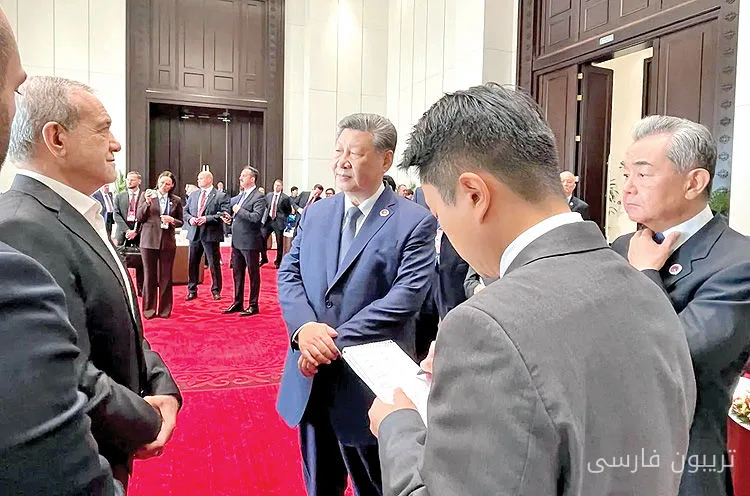
Xi Jinping emphasized the necessity of maintaining normal transit through Hormuz in discussions with the Crown Prince of Saudi Arabia. This action is seen as a sign of Beijing's direct concern over the continuation of the crisis and the threat to its energy security. If the crisis persists, China will face serious challenges in energy supply and economic security.
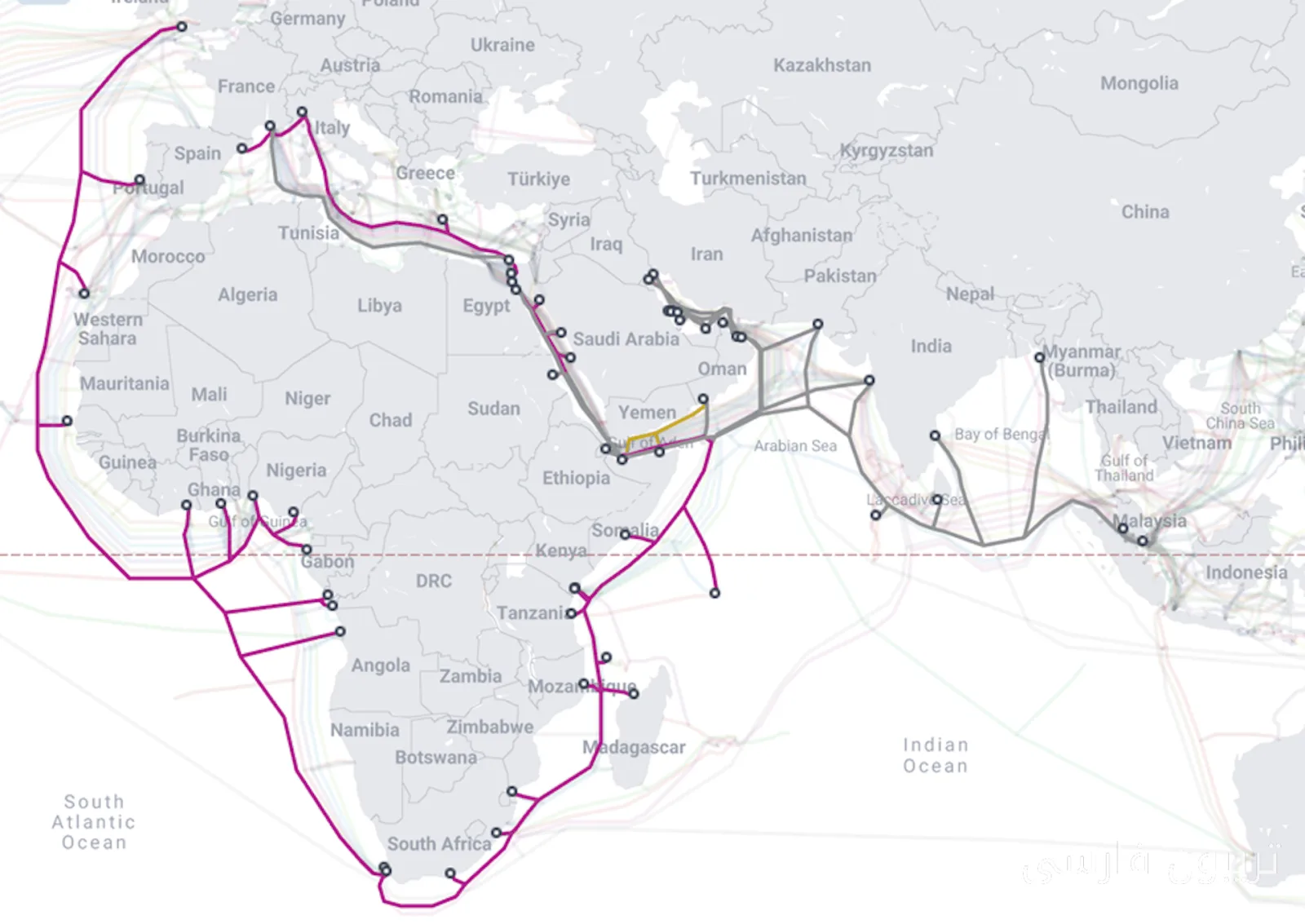
Overall, the simultaneous crisis of several maritime chokepoints, especially the Strait of Hormuz and Bab el-Mandeb, could have chain reactions for the global economy. This situation not only leads to disruptions in shipping but could also significantly increase transportation costs.
Read more: The Convention on the Legal Regime of the Caspian Sea and Iran's 20 Percent Share · Instability in the Middle East and Its Impact on the Global Oil Market