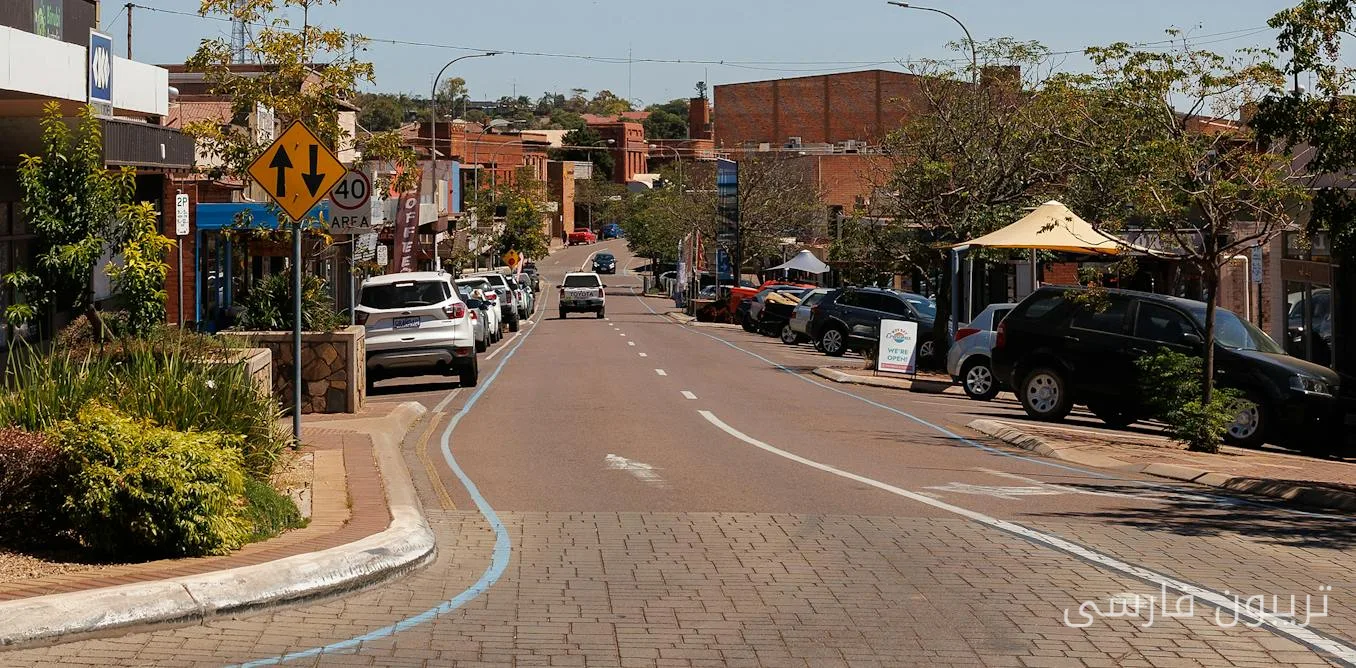
The closure of the steel furnaces in Whyalla, recognized as one of the key institutions in the economic development of this city, has dealt a significant blow to over 500 workers and their families. This change impacts not only the job market but also the identity and social structure of this city with a population of over 21,000.
Economic and Social Consequences
With the closure of the steel furnaces, over 100 people employed through contracts will lose their jobs, and the future of 200 dependent contractors is also shrouded in uncertainty. These developments signify an economic void in the city that could lead to a decrease in economic and social activities.
Read more: Claim by the Australian Tax Office and Its Challenges for Large Technology Companies
Similar experiences in other Australian communities show that economic crises can extend beyond job losses and lead to profound changes in social structures and human relationships. In fact, the halt of steel production in Whyalla is not just an economic issue, but it could lead to an identity and social crisis in this city, which has formed its identity from steelmaking for over 80 years.
Identity and Social Challenges
The closure of the steelworks raises deeper questions about the identity, status, and future of this city. Will local businesses be able to continue operating? Will families stay, and will young people see a future for themselves here? These concerns could lead to a population decline and consequently a reduction in services and economic activities, which in turn could contribute to the creation of a "ghost town."
In such circumstances, supporting workers and their families is only part of the solution. There is a need for a comprehensive social approach that addresses the broader impacts of this economic crisis. Instead of solely focusing on the lost workers, investment in social infrastructure and the preservation of local services and institutions should be prioritized.
A return to steel production in Whyalla may be realized in the near future, but the coming years could have profound effects on the community. Living in a state of uncertainty can itself lead to social changes, and concerns about what will happen to Whyalla may become a fundamental question.
To create a successful transition, attention must be paid to strengthening social connections and creating real opportunities for local people. Hope and the possibility of future visioning should be considered as key factors in this process, so that people can participate in shaping the future they live in.
Read more: Analysis of Three Types of Economy: Sustainable, Unsustainable, and Unknown · Brazil Elections and the Inability to Solve the Country's Fundamental Problems