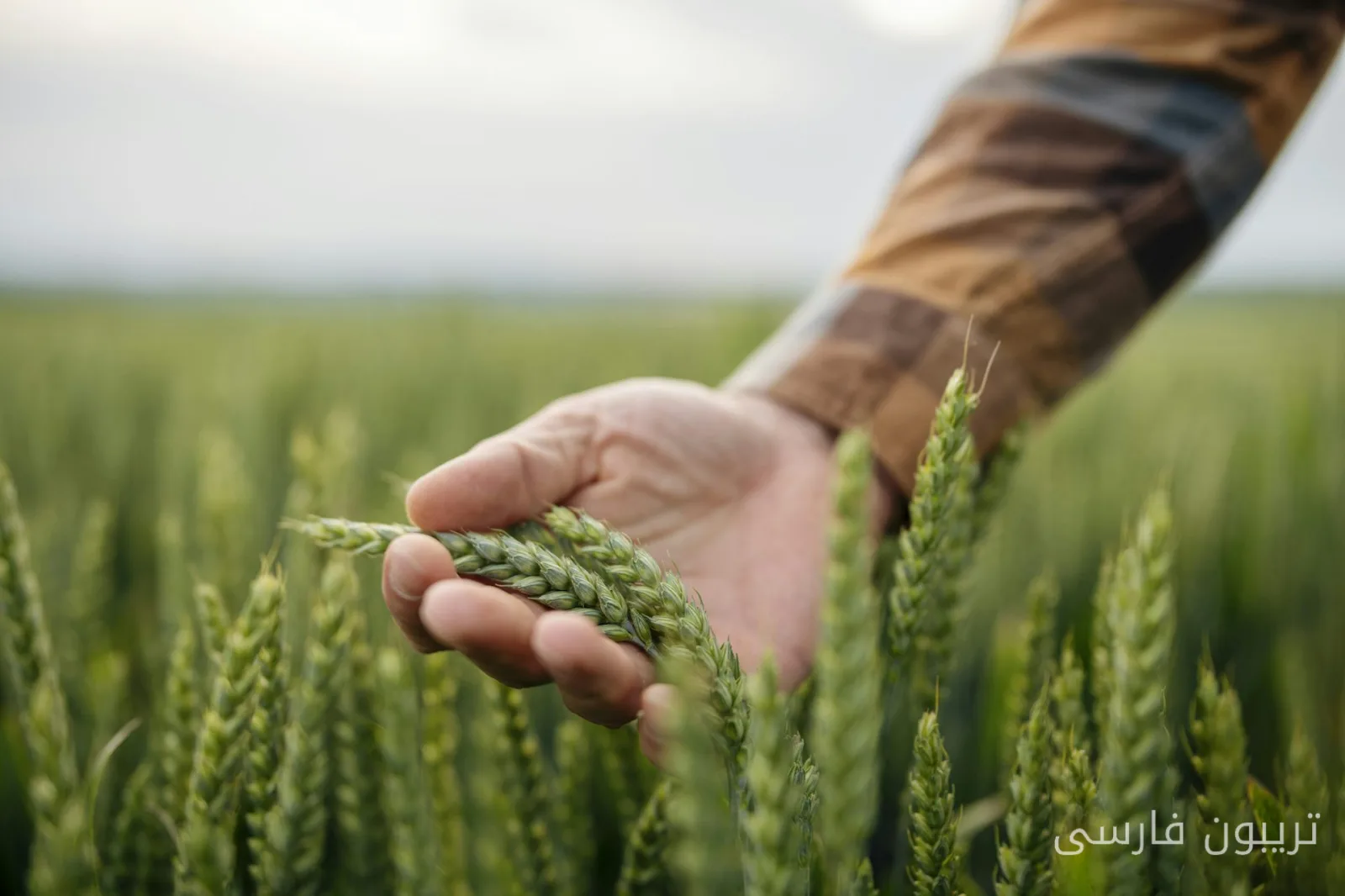
Australian farmers are welcoming spring with a forecast of 61 million tons of winter crops. This amount represents the fourth-largest winter harvest in Australia's history and is 16 percent above the ten-year average. Despite dry forecasts for winter, better-than-expected rainfall in southern Australian states has aided crop growth.
Regional and Global Challenges
However, these national figures do not reflect significant differences between regions. For example, the Mediterranean climate conditions in the growing region of Western Australia can be entirely different from grain-producing areas in northern New South Wales. Global market fluctuations in fuel and fertilizer, along with the potential occurrence of El Niño, have forced farmers to make tough decisions.
Read more: Andy Burnham and the Need to Pay Attention to Families' Experiences in the Livelihood Crisis
Australian farmers are under multiple pressures. Wars in Ukraine and the Middle East have caused greater fluctuations in the markets for fuel, fertilizer, and transportation. These issues have directly impacted farmers, with high fuel costs and supply constraints reducing their capacity to use more fertilizers.
Changes in Crop Choices and a Worrying Future
According to data from the Australian Bureau of Agricultural and Resource Economics and Sciences (ABARES), some farmers have turned to barley instead of wheat due to high fertilizer costs, as barley performs better in dry conditions and requires less fertilizer. However, not all farmers respond to price fluctuations in the same way, with some making decisions based on plant biology and climatic conditions.
Spring forecasts indicate that the occurrence of El Niño may lead to reduced rainfall in large parts of southeastern Australia and southwestern WA. This situation has raised concerns about rainfall shortages and the risk of frost for crops. While some areas are experiencing growth, conditions in other regions are not suitable for cultivation.
Despite these challenges, Australia is still recognized as a major food exporter, with forecasts indicating that wheat production will reach 29.9 million tons. However, the biggest risk for consumers is price volatility, not food shortages. Therefore, the government should invest in research and development for more sustainable agricultural production.
Read more: One Nation Immigration Program and Its Impact on the Labor Market and Economy of Australia · Analysis of the Reasons for Policy Changes in Australia with the Concept of the Overton Window