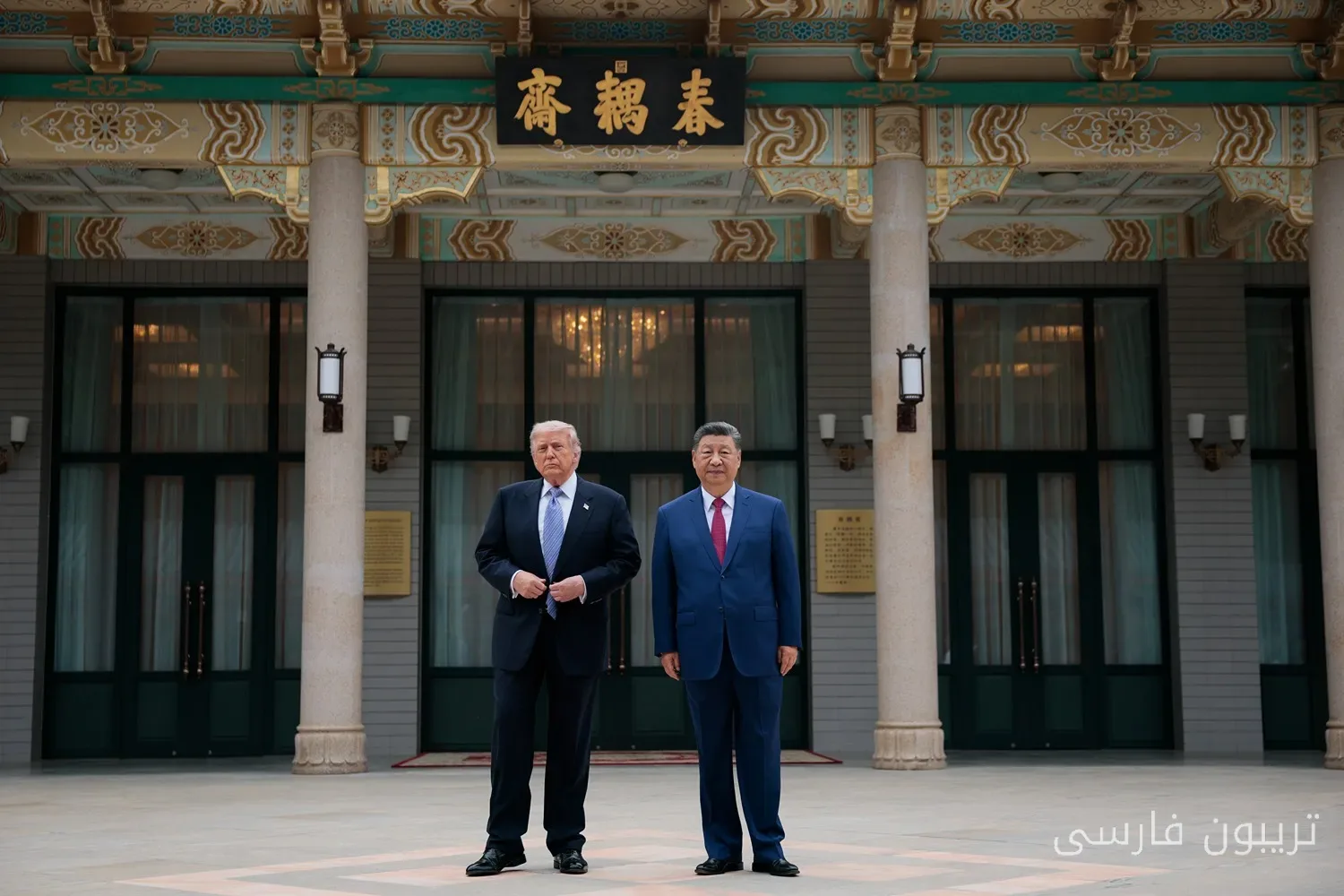
China is recognized as one of the main challenges to artificial intelligence regulation globally. Many politicians and leaders of AI laboratories believe that China's activities in this area hinder progress and effective regulation in other countries. Matt Sheehan, an AI policy researcher, critiques this claim in an analytical program and examines its various dimensions.
China's Claim as the Main Obstacle
Many analysts and officials believe that China is rapidly advancing in the field of artificial intelligence, and this could lead to fierce and reckless competition from this country with others. These concerns are particularly evident in the United States and some European countries, where policymakers are seeking to create frameworks for regulating and controlling this technology. They see China as a serious competitor that may leverage its capabilities in this area for its national interests.
Read more: Psychological Pressure on Social Workers Protecting Children in South Africa
Sheehan's Critique of This Claim
In his analysis, Matt Sheehan presents evidence suggesting that the claim of China as the biggest obstacle to AI regulation may be overstated. He states that, in fact, many of the challenges and obstacles in this area are related to the developed countries themselves. For example, the lack of a global agreement on ethical principles and guidelines related to AI is one of the main issues. Meanwhile, China is also seeking to regulate its domestic policies, and it cannot simply be viewed as a global obstacle.
Sheehan also emphasizes that governments should focus on international cooperation and the establishment of common standards for artificial intelligence instead of concentrating on competition with China. This approach could help create an effective framework for global regulation and prevent further tensions.
Overlooked Consequences
According to this analysis, if developed countries fail to reach a common agreement and focus on collaboration and dialogue instead of competition with China, we may witness unstable and uncontrollable advancements in the field of artificial intelligence. This could lead to serious economic and social damages, especially in the areas of cybersecurity and privacy.
Ultimately, the conclusion is that for effective AI regulation, various countries, including China, need to engage in constructive dialogue and closer cooperation. This will not only benefit developed countries but could also help improve the global situation regarding the use of new technologies.
Read more: Analysis of the Differences Between Pasta and Noodles in Global Food Culture · Analysis of Dario Amodei's Article on AI Management in America