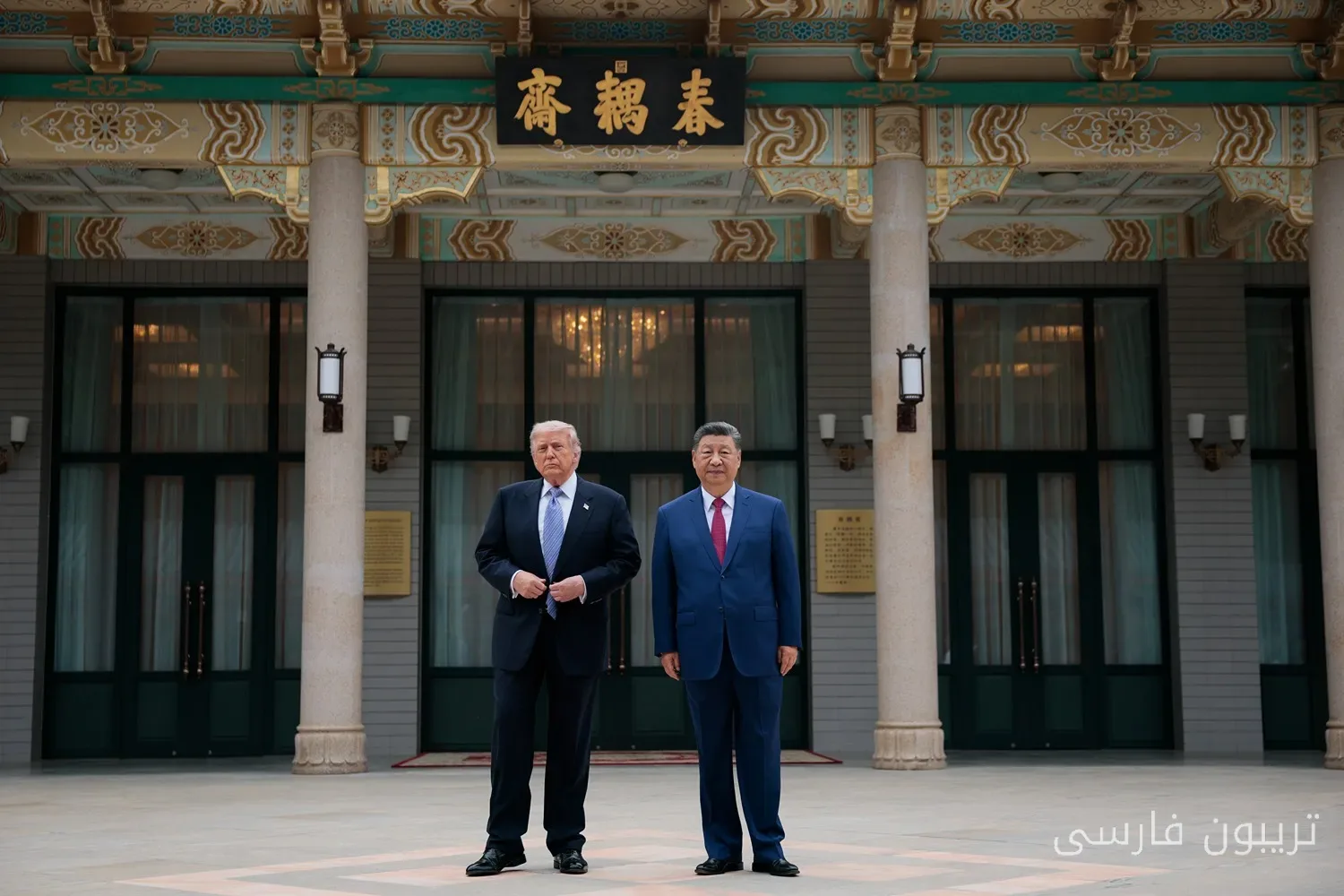
The governments of the United States and China are facing the issue of AI safety ahead of their leaders' meeting on September 24 in Washington. This meeting comes as analysts hope that the two countries can collaborate on establishing international principles for managing technology. However, given the geopolitical rivalries and fundamental differences in attitudes towards the risks of artificial intelligence, these hopes seem unlikely to materialize.
Fundamental Differences in Understanding AI Risks
The U.S. government, especially among its technology elites, is concerned about sci-fi scenarios such as the emergence of superintelligence. Meanwhile, in China, officials are more worried about the political and economic consequences of technical failures. This fundamental difference in risk perception could hinder any effective collaboration. If one country focuses its primary concern on controlling the emergence of superintelligence while the other prioritizes preventing youth unemployment, they will adopt different strategies.
Read more: Scientists Warn About the Risks of AI for Humanity
Regulatory and Political Challenges
Additionally, the mismatch in regulatory capacities between the U.S. and China reduces the likelihood of agreeing on common standards. China has tight control over its technology sector and can easily change laws. In contrast, the U.S. technology sector resists regulations through various means, including lobbying and legal challenges. This mismatch may lead to misunderstandings that ultimately benefit neither side.
Some Chinese officials, including Chen Yixin, head of China's Ministry of State Security, have recently stated explicitly that U.S. AI models are part of a "propaganda war and cognitive warfare" against China. These statements indicate that tensions are rising not only in economic areas but also in technological fields, which could lead to a decrease in future cooperation.
Overall, despite shared issues that could be addressed, deep-seated differences and political and regulatory challenges seem to make effective cooperation on AI safety unlikely.
Read more: Australia and the Next UN Secretary-General Need Each Other · Trump and Xi's Agreement on Global Security in AI