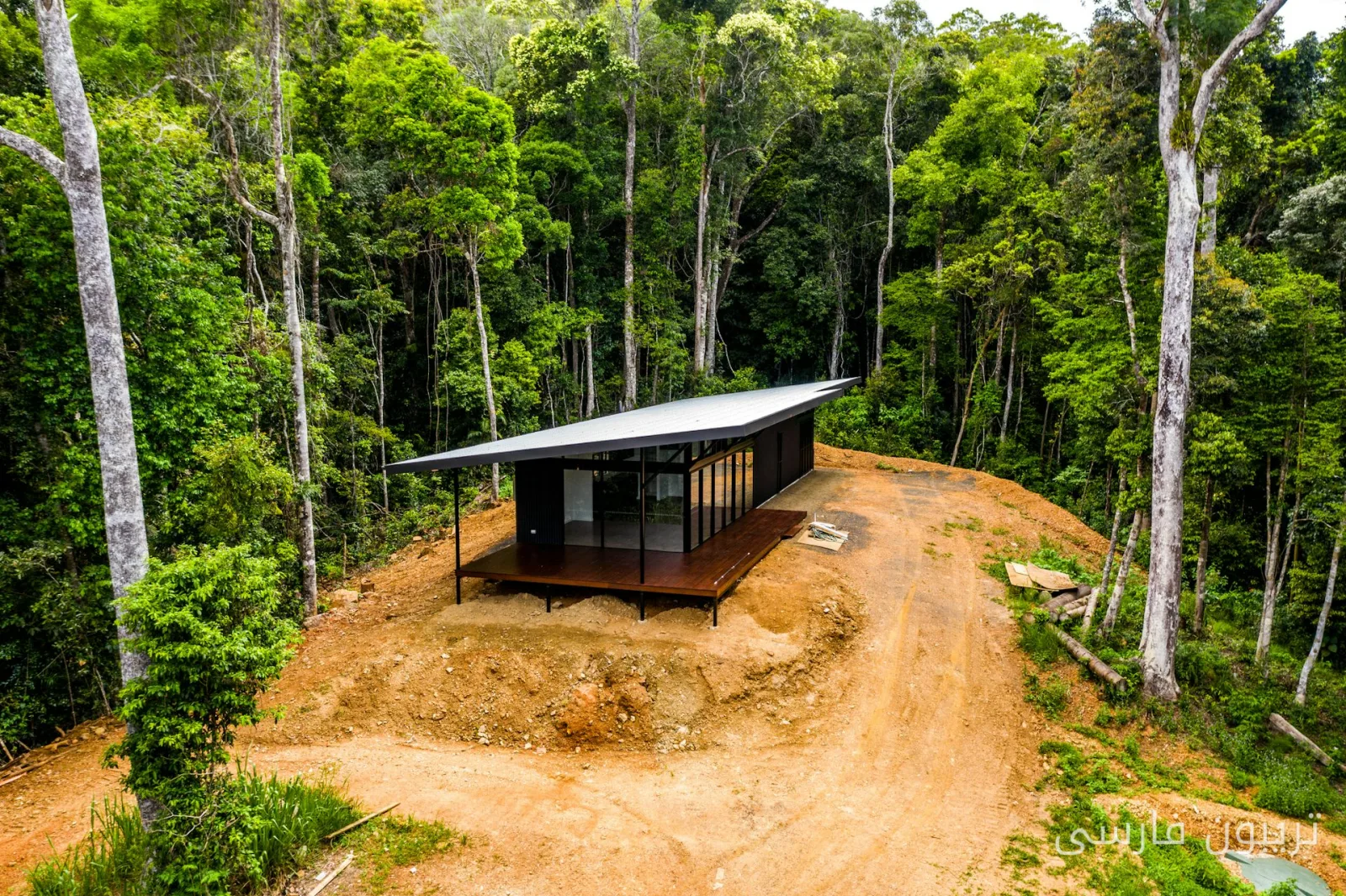
The use of renewable energy in Australia, particularly in rural and remote areas, is increasing. This shift means living off the power grid, especially for households seeking self-sufficiency and reducing greenhouse gas emissions.
Benefits of Off-Grid Living
Many households choose to live off the grid due to the high costs of connecting to the power grid. These households typically use independent energy systems including solar panels, batteries, and diesel generators. One of the main advantages of these systems is independence from energy price fluctuations and the fees that utility companies charge for building and maintaining infrastructure. Additionally, in sunny areas, households can generate enough renewable energy to meet their annual needs.
Read more: Attention to the Youth: The Need for Policy Making for Ages 18 to 25 in Britain
Challenges of Off-Grid Living
However, living completely off the grid is not feasible for many households. The initial costs of installing renewable energy systems and the need for maintenance and replacement of equipment pose serious barriers for low-income households and renters. Furthermore, most grid-connected solar systems automatically shut down during power outages, which can lead to a lack of electricity during crises.
Research shows that while more Australians are moving towards renewable energy systems, most of them are still connected to the power grid. This is due to the assurance of a reliable power supply and the backup options available on the grid. Therefore, it seems that the future of off-grid living is moving towards a hybrid model, where households will be self-sufficient but will connect to the power grid when necessary.
This trend raises complex policy questions. Households that intermittently use the power grid may still expect immediate and reliable electricity supply from it. Thus, there is a need to adjust grid fees so that low-income households unable to invest in solar and battery systems are not disadvantaged.
Read more: Trump's High-Risk Reversal Hack Program for the Private Sector · Australian Farmers Predicting a Harvest of 61 Million Tons of Winter Crops Heading into Spring