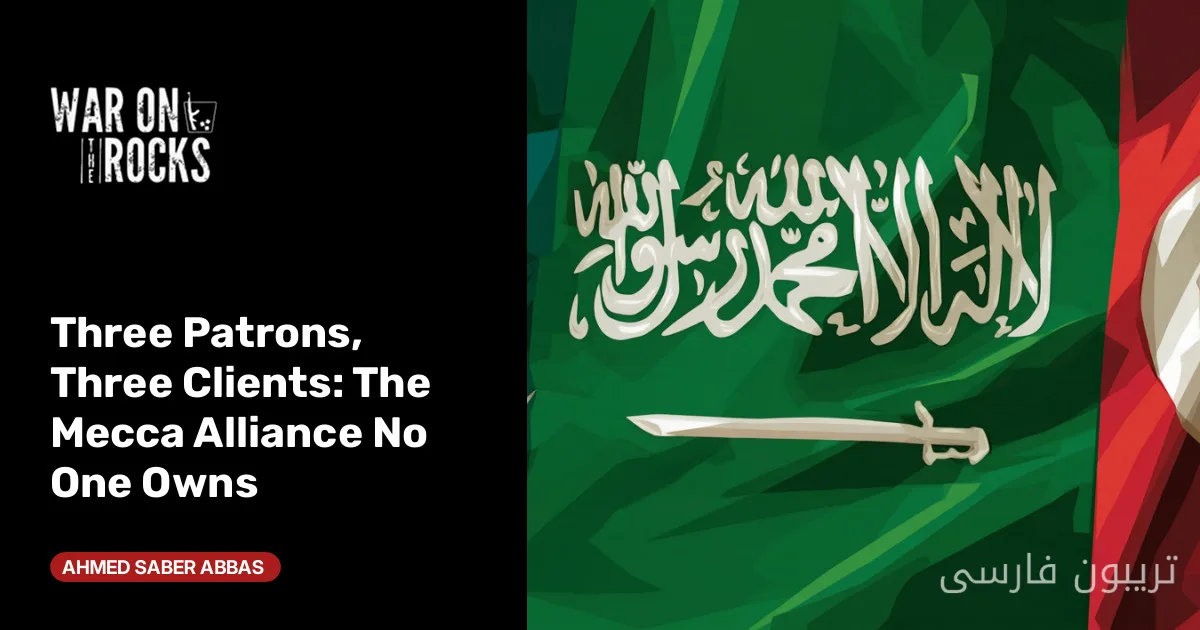
The Mecca Coalition, which includes Turkey, Saudi Arabia, and Pakistan, is recognized as a notable phenomenon in the realm of military policies in the Middle East. Despite the complementary capabilities of the coalition's members, there are serious challenges in determining leadership and coordinating responses to military crises. This situation not only affects the structure of the coalition but may also influence future developments in the region.
Leadership Challenges in the Mecca Coalition
The Mecca Coalition has become a complex entity due to competition among its members for support and leadership. Currently, none of the members have been able to definitively take control of the coalition's leadership. This situation, known as the "paradox of all supporters and all clients," indicates that each member is trying to define the coalition's goals, but none have complete control over it.
Read more: New developments in the discussion of a united Ireland and Donald Trump's views
Implications of Military Cooperation
This situation could have major implications for military and security cooperation in the Middle East. Egypt, as a key player, could help strengthen the coalition by joining it, but at the same time, concerns regarding control and leadership will lead to new challenges. Meanwhile, Turkey, by entering this discussion, is worried about becoming a client under Saudi influence, and this issue has also been debated in the Turkish parliament.
Additionally, Pakistan's military strength with 660,000 troops could serve as a factor to bolster Saudi Arabia's position if necessary. However, this military power, compared to Pakistan's nuclear and ballistic capabilities, may not only strengthen the coalition but also lead to further complexities in its leadership.
Ultimately, the Mecca Coalition is recognized as a flexible structure where its members cooperate in common areas, but at the same time, this ability to act in various crises and wars fuels greater challenges. The continuation of this situation may lead to an inability to respond to crises and a lack of agreement on priorities, which will consequently impact regional security.
Read more: Changing the rules of war in the drone age is essential · Kamrani: Economic pressure and military power of the U.S. have disrupted the equations of the Islamic Republic