Indigenous architecture in Ghana, as one of the cultural heritages of this country, has significantly responded to climate changes and social needs. While much attention is drawn to modern buildings such as concrete structures and shopping centers, indigenous architecture, as a rich tradition, can offer important lessons for the future.
Definition of Indigenous Architecture and Its Characteristics
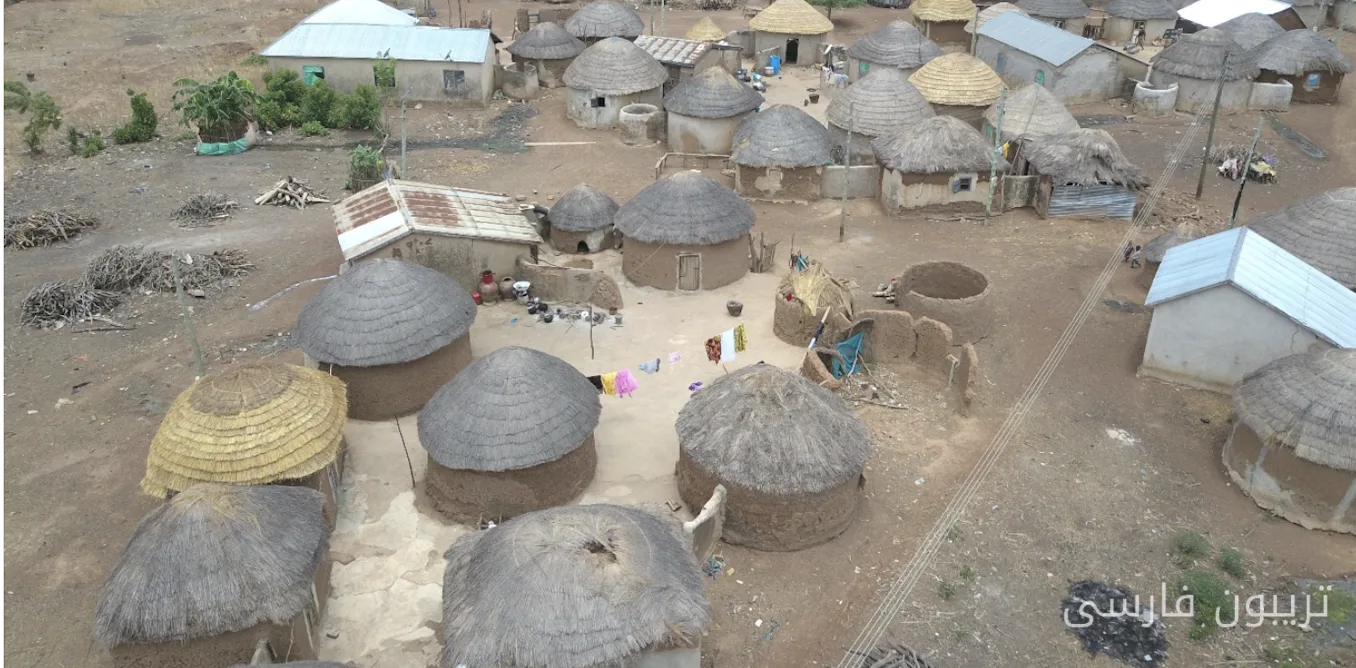
Indigenous architecture refers to buildings and dwellings that are primarily shaped by local knowledge, materials, construction techniques, and environmental conditions of a specific area. In Ghana, this type of architecture includes the use of materials such as earth, wood, and straw, and indigenous designers create buildings that harmonize with airflows and sunlight. These characteristics have evolved over generations, enabling communities to consider their environmental conditions and social needs.
Read more: The Impact of Large Language Models on Language and Human Experience
Knowledge and Experiences of Past Generations
Research shows that indigenous architecture in Ghana is not a single tradition but a collection of diverse knowledge shaped by climate and society. In different regions of Ghana, including hot and dry areas, humid forests, and warm and humid coasts, specific construction strategies have been developed to respond to heat, rain, and humidity. This knowledge is applicable not only for building structures but also for organizing spaces and social activities.
Given the rapid changes in construction and climate pressures, indigenous architecture can serve as an important resource for contemporary design. This knowledge not only helps preserve the environment but can also lead to reduced construction costs and increased energy efficiency in buildings.
Challenges and Consequences of Ignoring Indigenous Architecture
However, the knowledge of indigenous architecture is at risk. Rapid urbanization, changing lifestyles, the use of imported materials, and standardized construction methods can overlook this rich knowledge. When an earthen building is destroyed, it is not just a physical structure that is lost, but also the knowledge related to material preparation, climate response, and space organization. This knowledge must be updated and integrated into today's designs rather than being completely set aside.
Ultimately, the future of architecture should be built on ancient and indigenous knowledge. Instead of choosing between indigenous and modern architecture, we should strive to integrate both in contemporary designs. Improving earthen constructions, utilizing passive cooling techniques, and using local materials can lead to the creation of sustainable and efficient buildings.
Read more: Trump Administration Seeks to Turn Midterm Elections into a Referendum on Itself · Can the Arctic Ecosystem Adapt to the Climate Crisis?