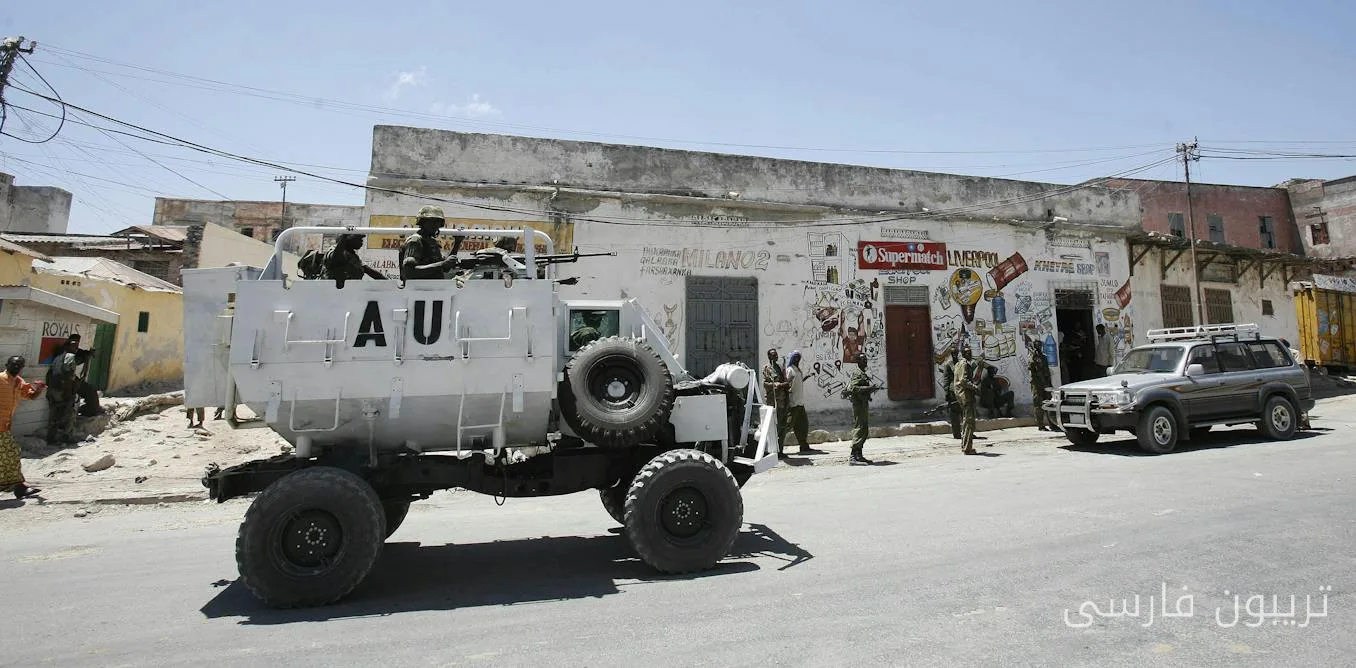
The African Union (AU) has become a key player in the field of peace and security in Africa over the past two decades. From Burundi and Sudan to Somalia, Mali, and the Central African Republic, the AU and regional African organizations have engaged in peace interventions that include mediation in conflicts, monitoring elections, and supporting political processes. These interventions indicate that Africa must play a leadership role in addressing its security challenges.
Findings and Challenges
Despite the growing importance of these interventions, little effort has been made to assess what has been learned from existing research on these interventions. A recent review of 186 articles published between 2000 and 2026 examined four main themes in the literature regarding AU interventions: AU approaches to peace interventions, the legitimacy of these interventions among local populations, their effectiveness in achieving sustainable peace and security, and the ownership of these interventions at various levels.
Read more: Analysis of the Concept of Zionism and Its Dimensions
The findings of this review indicate that discussions regarding AU interventions are often conducted in a narrow manner. Some reports emphasize the role of the African agency and present AU interventions as a clear alternative to external interventions, while others point to dependencies and operational limitations. Evidence suggests that the reality is much more complex; AU peace and security interventions are not only not clear success stories, but also indicate that African actors are increasingly playing a role in responding to conflicts.
Developing New Approaches
The African Union was established in 2002 as a successor to the Organization of African Unity (OAU). This body, which had been criticized for its reluctance to intervene in crimes and armed conflicts, has now placed more interventions on its agenda by stating that sovereignty comes with responsibility. These developments have led the AU and regional entities to engage in at least 28 missions to manage conflicts and support peace processes.
Evidence reviewed shows that many people consider AU interventions legitimate as they view them as "African solutions to African problems." This legitimacy is not merely symbolic, but means that African mediators and peace operations often have specific advantages due to their proximity to the situations.
However, there are also challenges. A primary concern is foreign financial dependency; many interventions are actually based on funding from international partners such as the European Union and the United Nations. This dependency may limit the AU's decision-making power in prioritizing peace and security issues. At the same time, newer research provides a more accurate picture showing how African actors actively negotiate and utilize foreign resources to advance their priorities.
Read more: European Experiences in Managing Artificial Intelligence and Lessons from the Failures of Democratic Internet · Closure of Shalamcheh and Chazabeh Borders and Suspension of Iranian Flights at Basra Airport