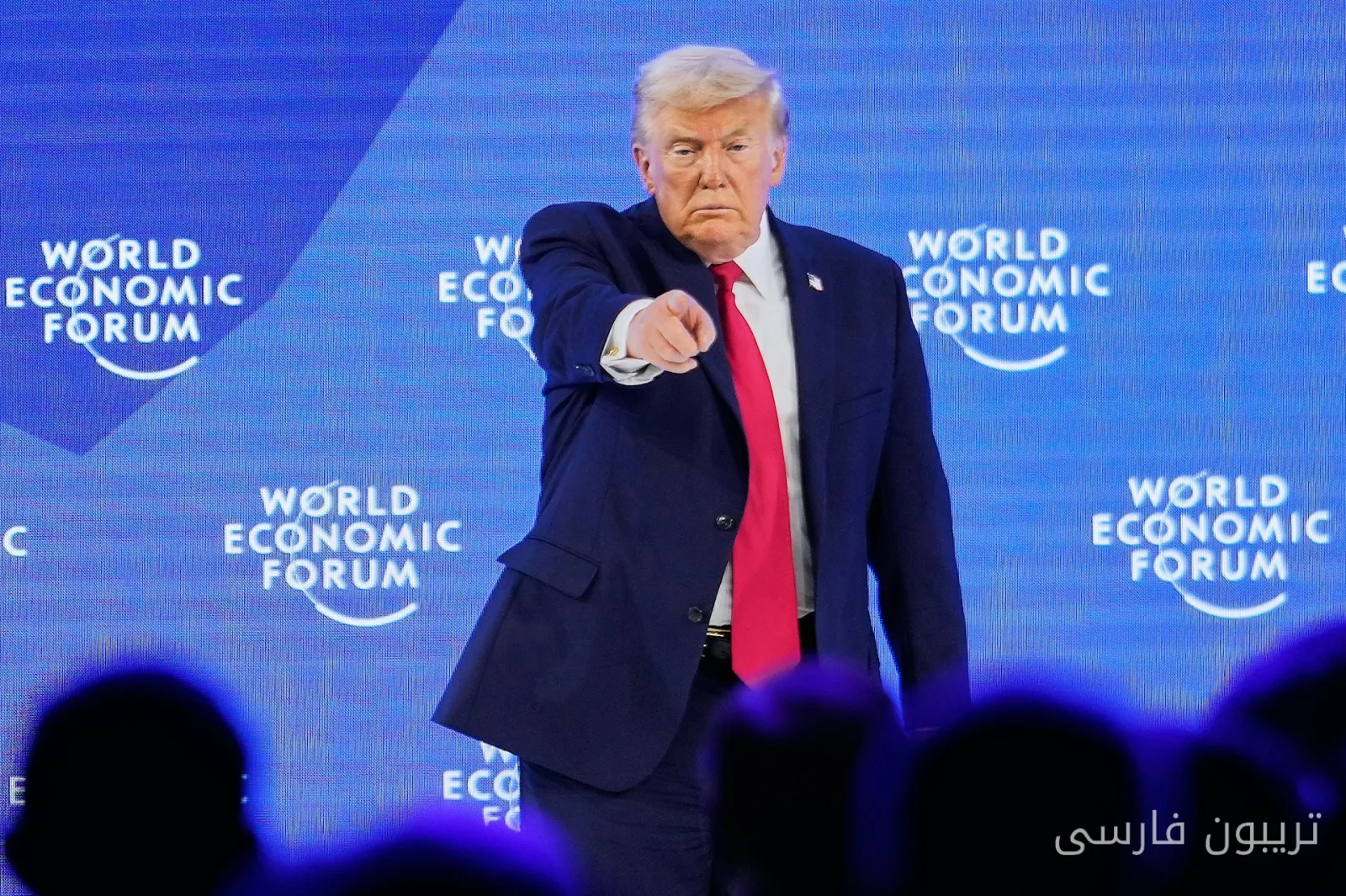
In 2026, during a speech in Davos, Switzerland, the Donald Trump administration emphasized the necessity of American ownership of Greenland, stating: "You need ownership to defend it. You can't defend it based on a lease." This remark reflects Trump's economic approach to political and geographical concepts, where he views territories as assets that can be bought and sold.
Portfolio Logic: Continuous Asset Assessment
Various analyses have been offered regarding Trump's behavior during his second presidential term. Some attribute these behaviors to narcissism or demagoguery, while others liken it to dictatorship. However, my approach to these analyses is different. Trump has thought in a way over five decades in the real estate industry that I call 'portfolio logic.'
Read more: Development of Defense Cooperation between South Korea and Europe Amid New Threats
Portfolio logic, as a financial way of thinking, views assets and relationships as a collection of holdings that must be continuously managed and assessed. The main questions include: "What assets do I have? What is performing well and what is not? What should be retained, acquired, renegotiated, or discarded?"
Analyzing Trump's Political Behavior from the Perspective of Portfolio Logic
Analyzing Trump's behavior from the perspective of portfolio logic clearly shows that he views the country as a large asset. In his first speech in 2026, Trump declared that the country is "bigger, better, and stronger" than ever. He points to the growth of the stock market and increased foreign investment as signs of America's rising value. Moreover, collaborations and agreements are seen as holdings that must be continuously negotiated to maximize their returns.
In this context, Trump simply states that NATO countries should contribute a larger share of their GDP for military defense. This approach indicates that he acts as a manager who can reassess conditions and make decisions accordingly.
Changes in assets are also clearly evident in Trump's policies. He has sought to acquire Greenland and exploit resources in Venezuela, believing that these countries are underperforming assets that can become profitable with proper management.
The main question is whether this approach is merely a more explicit version of the usual behaviors of presidents or whether Trump fundamentally acts against democratic traditions. While democratic governments may renegotiate agreements and collaborations, they also have permanent commitments that are not continuously assessed. In contrast, Trump's portfolio logic emphasizes maintaining options in changing circumstances.
Therefore, it can be concluded that Trump's approach to policymaking and managing the country is not only an economic strategy but also a fundamental shift in how to think about international relations and political commitments. This approach could have profound implications for U.S. foreign policy and international communications.
Read more: Writers' Analysis on Emmy Awards and the Future of Television · Congress Legislation and the Rise of Presidential Warmongering After September 11