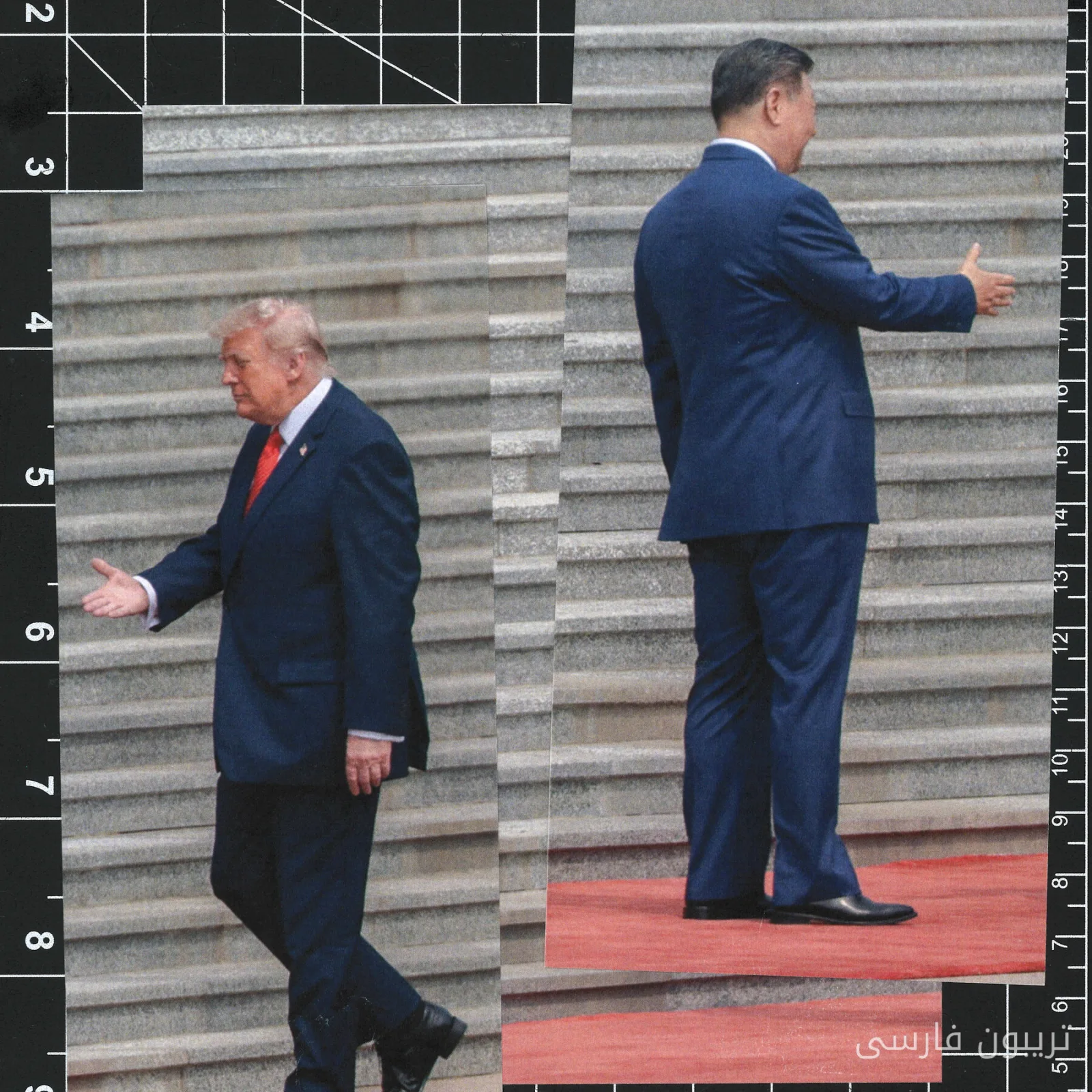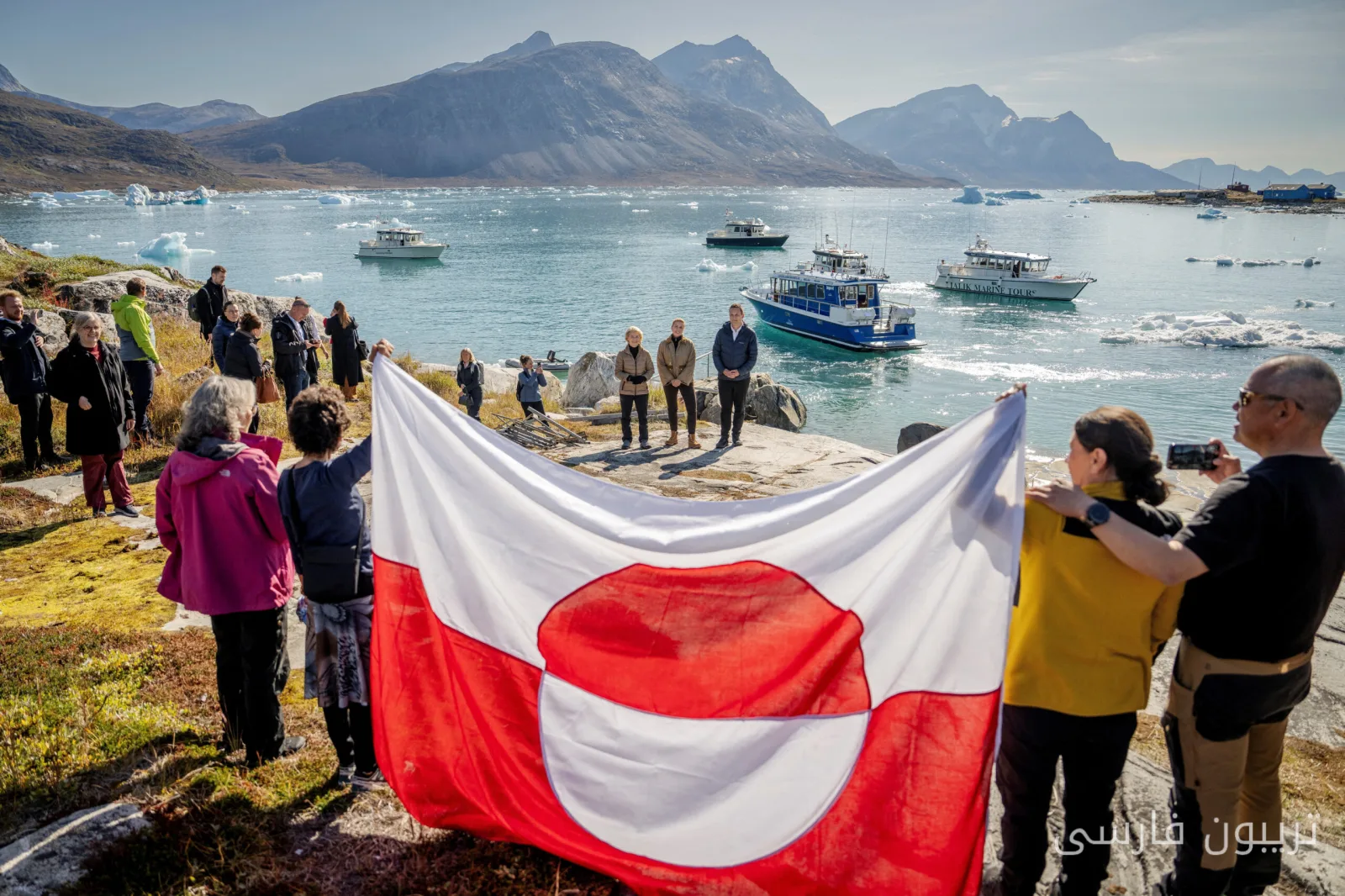
The security agreement between the United States and Denmark regarding Greenland is seen as a positive development, especially at a time when tensions in transatlantic relations were rising. Donald Trump, the President of the United States, announced on Friday that this agreement fully addresses all of the United States' concerns regarding the world's largest island. This agreement will be signed soon, and Danish and Greenlandic officials emphasized that it will respect Greenland's right to autonomy and Denmark's sovereignty.
Background of Tensions and Initiation of Negotiations
In January, when the United States publicly expressed its desire to control Greenland, it sparked serious tensions between Washington and its European allies. As a result, the United States, Greenland, and Denmark began negotiations regarding the U.S. presence in this autonomous region. These negotiations, alongside the efforts of the Greenland Working Group in the Atlantic Council to address fundamental issues and find effective solutions, are progressing rapidly.
Read more: Campaign Against Flock Cameras and Defense of Privacy
Geopolitical Challenges and Economic Implications
The Greenland region is rapidly becoming a geopolitical arena where deeper cooperation between Russia and China poses new challenges to Western dominance. This is particularly concerning as the mineral wealth of this island may not translate into resource provision for a decade or more. In this context, security and economic cooperation between the United States and European countries must be seriously considered. The recent agreement can be seen as an important step toward strengthening these cooperations.
Ultimately, this security agreement not only helps reduce tensions but also represents a strategic move to address new global challenges. Especially at a time when geopolitical rivalries are increasing, such agreements can help strengthen transatlantic alliances and stability in the region.
Read more: New U.S. Tactics Against Iran Have Led to Reduced Economic Pressure · Crucial Security Agreement Between Saudi Arabia, Pakistan, and Turkey