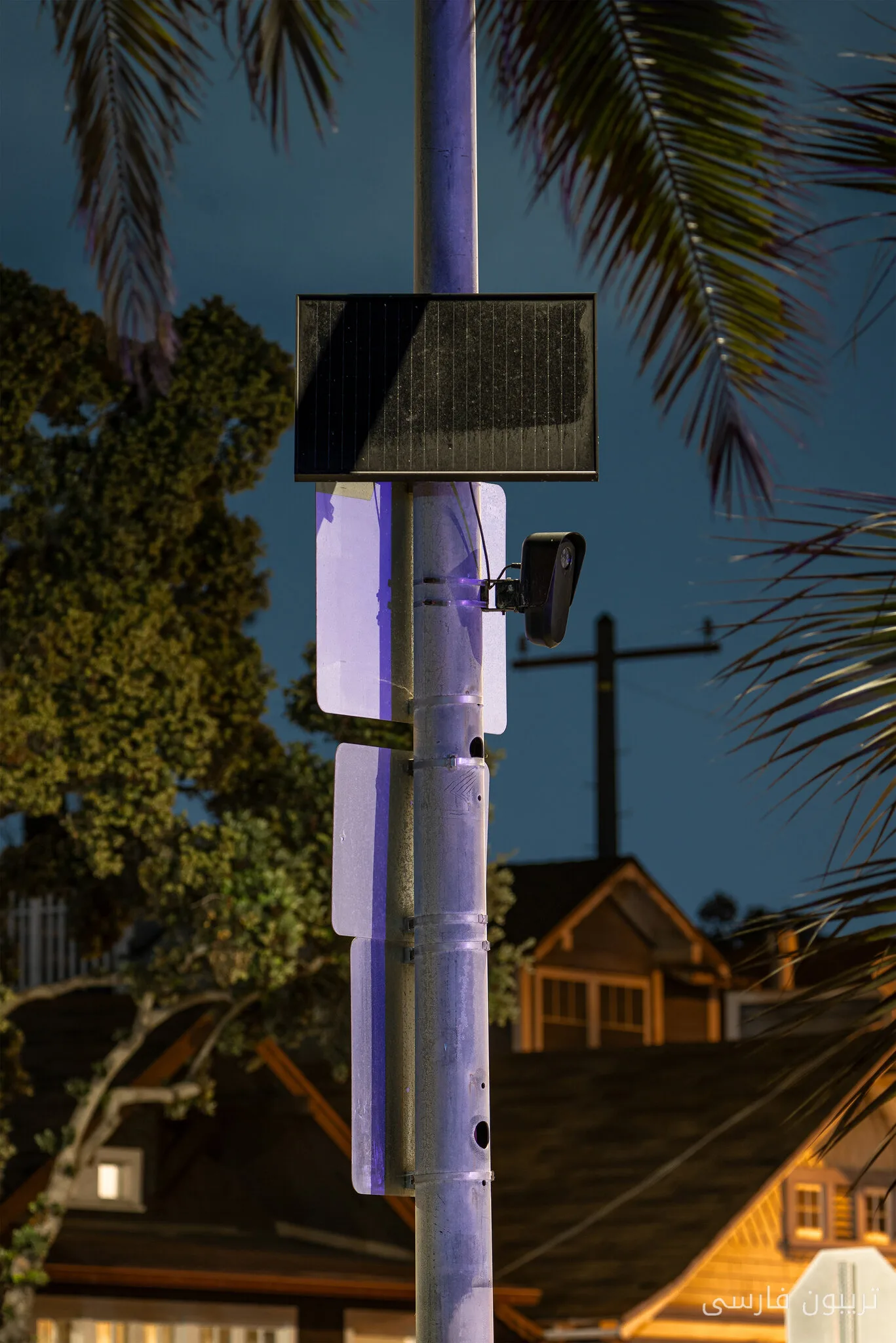
The campaign against Flock cameras is recognized as a symbol of the struggle for privacy protection in modern society. These cameras, which are used as surveillance tools in public spaces, have faced serious criticisms regarding potential threats to privacy. These developments reflect movements aimed at preserving individual rights and preventing privacy violations.
Claims of Privacy Threat
Flock cameras, as surveillance tools, particularly in public places, collect data and identify individuals. This has led to serious concerns about privacy violations and access to personal information. Many human rights activists and privacy advocates view this action as a serious threat to individual freedoms and believe that increased public surveillance can lead to social control and the suppression of civil liberties.
Read more: Donald Trump's Addiction to the Kennedy Center and Its Effects on American Politics
Evidence and Consequences
In recent years, multiple pieces of evidence have been collected regarding the misuse of surveillance technologies. Studies have shown that the use of surveillance cameras in certain areas has led to an increase in crime and human rights violations. Particularly in vulnerable communities, this type of surveillance may lead to increased discrimination and social injustice. Therefore, various campaigns around the world have been launched to limit the use of these technologies and protect privacy.
The conclusion of these developments is that the effort to maintain personal privacy is not only an unattainable goal but should also be regarded as a fundamental principle in the age of technology. Campaigns and protests against Flock cameras represent the reality that civil society is striving to defend its rights and seeking to create positive changes in surveillance policies. Such actions can serve as a model for other countries and communities to stand against privacy threats.
Read more: Attention to the Youth: The Necessity of Policy-Making for Ages 18 to 25 in Britain · Britain Bans Build-to-Sell Imports; Will Europe Join This Action?