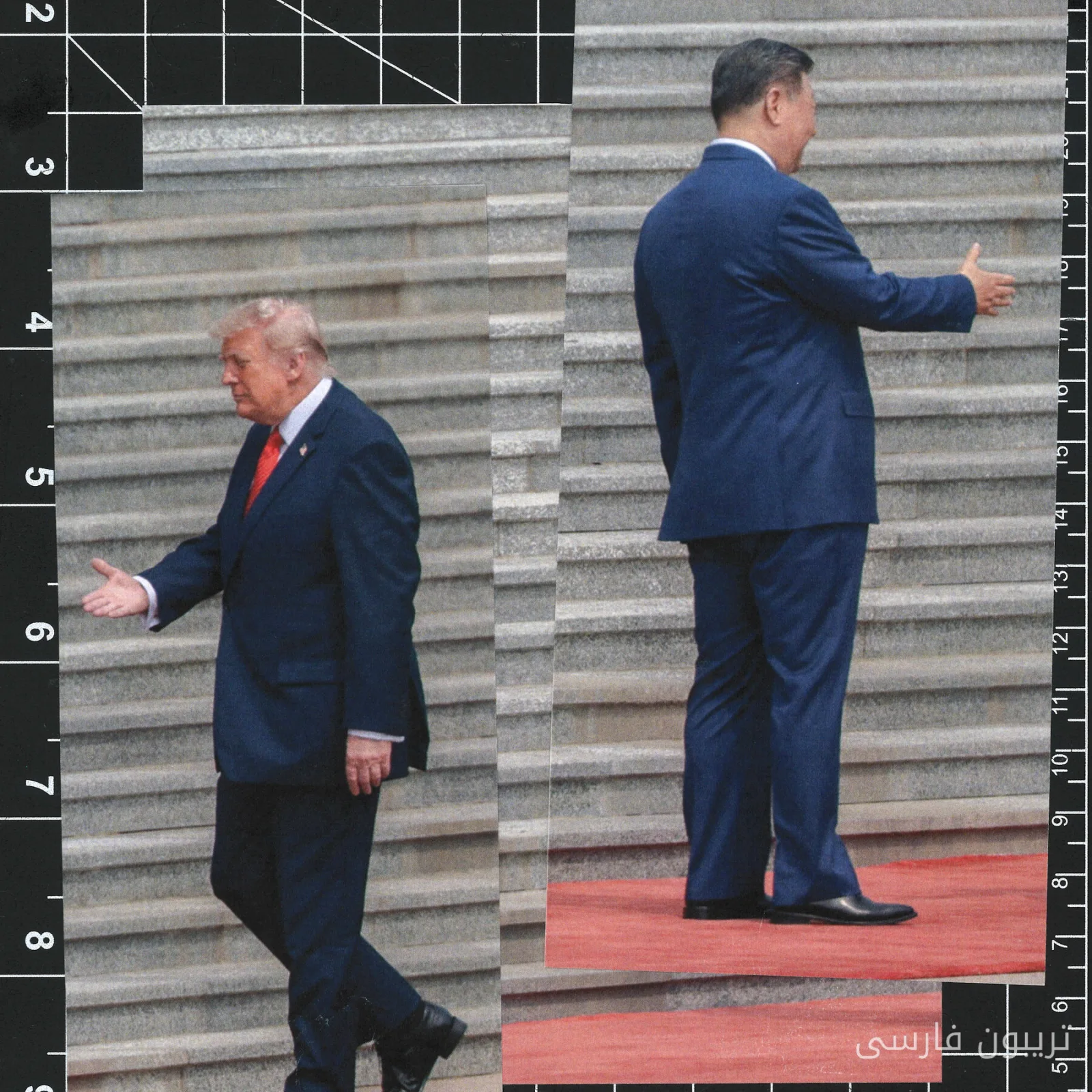
Recent advancements in artificial intelligence (AI) between the United States and China have reached a turning point that could signify a change in the relationship between the two countries. Xi Jinping, the President of China, has a stronger position in this regard than his American counterpart, Donald Trump. This situation reflects the relative weakness of the United States in the realm of technology and innovation. While China is rapidly advancing in this field, the United States must carefully respond to this competition.
China's Capabilities in Artificial Intelligence
In recent years, China has made significant investments in the field of artificial intelligence. The country has emerged as a global power in this technology and is striving for further advancements in various areas including automation, facial recognition, and natural language processing. China's successes in this field are clearly visible in national projects and international collaborations. These capabilities allow the Chinese government to gain an edge on the global stage and expand its influence.
Read more: Sam Altman and AI Revenues: The Necessity of Public Benefit
Challenges Facing the United States
In contrast, the United States is in a position where it must confront multiple internal and international challenges. Political disagreements, disarray in technology policies, and insufficient investment in research and development are among the factors that could hinder America's progress in the field of artificial intelligence. Trump, as President, must pay attention to these challenges and devise appropriate strategies to counter China's advancements in this area.
Implications of Cooperation and Competition
Although China is in a stronger position, there may still be space for limited cooperation between the two countries. Such cooperation could be in line with shared interests, such as addressing global threats and environmental issues. However, competition will also continue intensely, and both countries must carefully choose their paths.
Ultimately, the current situation indicates that China and the United States are entering a new era of competition in the field of artificial intelligence. This competition will not only impact the domestic and foreign policies of both countries but may also lead to broader changes in the international system. Therefore, it is essential for both countries to seek a balance in this competition, to maintain their national interests while preventing further tensions.
Read more: The Real Threats of Artificial Intelligence and the Need for Political Responses · Analysis of the Consequences of Ignoring Women in Medical Research and Health Artificial Intelligence