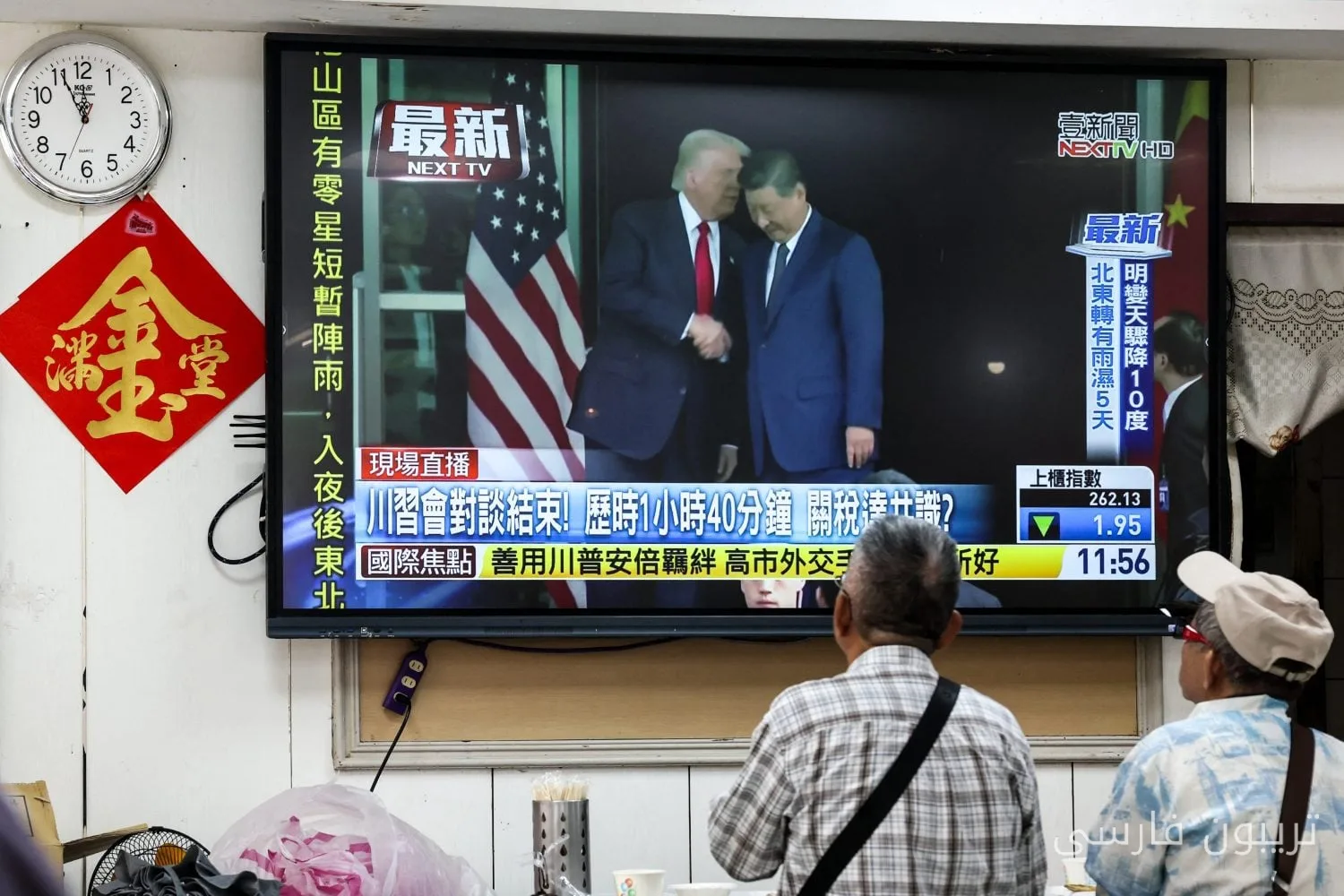
The meeting between Xi Jinping, the President of China, and Donald Trump, the President of the United States, on September 24 at the White House once again escalates tensions in Taiwan and among the Chinese policymaking community in Washington. This meeting comes at a time when many observers are concerned that Trump's transactional instincts and his lack of attention to strategy may lead to concessions in Taiwan's security. Although the official U.S. policy towards Taiwan may not change, signs of a shift towards a weaker position in support of Taiwan are evident.
A Review of the Policy of Strategic Ambiguity
The U.S. policy of strategic ambiguity, which took shape in the late 1970s and 1980s, was designed to prevent war in the event of a Chinese attack on Taiwan. This policy simply states that the United States refrains from providing a clear response regarding the likelihood of military intervention in the event of a conflict. The goal of this strategy has been not only to prevent a Chinese attack on Taiwan but also to deter provocative actions by Taiwan.
Read more: Increasing Role of the African Union in Peace Interventions Alongside Decreasing UN Missions
However, under current circumstances, this policy may lack effectiveness due to changes in the balance of power between the United States and China. Critics argue that this policy alone cannot prevent a stronger military China, thus necessitating a new approach. For example, Richard Haass, former president of the Council on Foreign Relations, called in 2020 for the establishment of a "strategic clarity" policy that clearly indicates U.S. support for Taiwan in the event of a conflict.
Change in Trump's Approach
The Trump administration, given his lack of genuine interest in Taiwan, may pose risks. Trump has repeatedly stated that he uses Taiwan as a bargaining chip in negotiations with China, and this position significantly differs from past U.S. methods that separated Taiwan's defense from the overall China policy. This shift in approach could send a signal to China that the United States may reduce its support for Taiwan, consequently pushing China towards more provocative actions.
On the other hand, the prevailing mindset among Trump's advisors has also contributed to this position. For instance, Michael Anton, a key figure in formulating the 2025 National Security Strategy, published an article in 2021 discussing how a war over Taiwan is not only against U.S. national interests but also that victory in such a war is not guaranteed.
Ultimately, the upcoming meeting between Trump and Xi Jinping may overshadow the fate of U.S. policy towards Taiwan. Given that many observers are concerned that this new approach could lead to greater instability in the regional balance, the future of U.S.-China relations and its impact on Taiwan will remain a critical and complex issue.
Read more: The Impact of Artificial Intelligence on the Free Web and Its Associated Challenges · Francis Fukuyama and His Assessment of Trump, China, and the Legacy of September 11