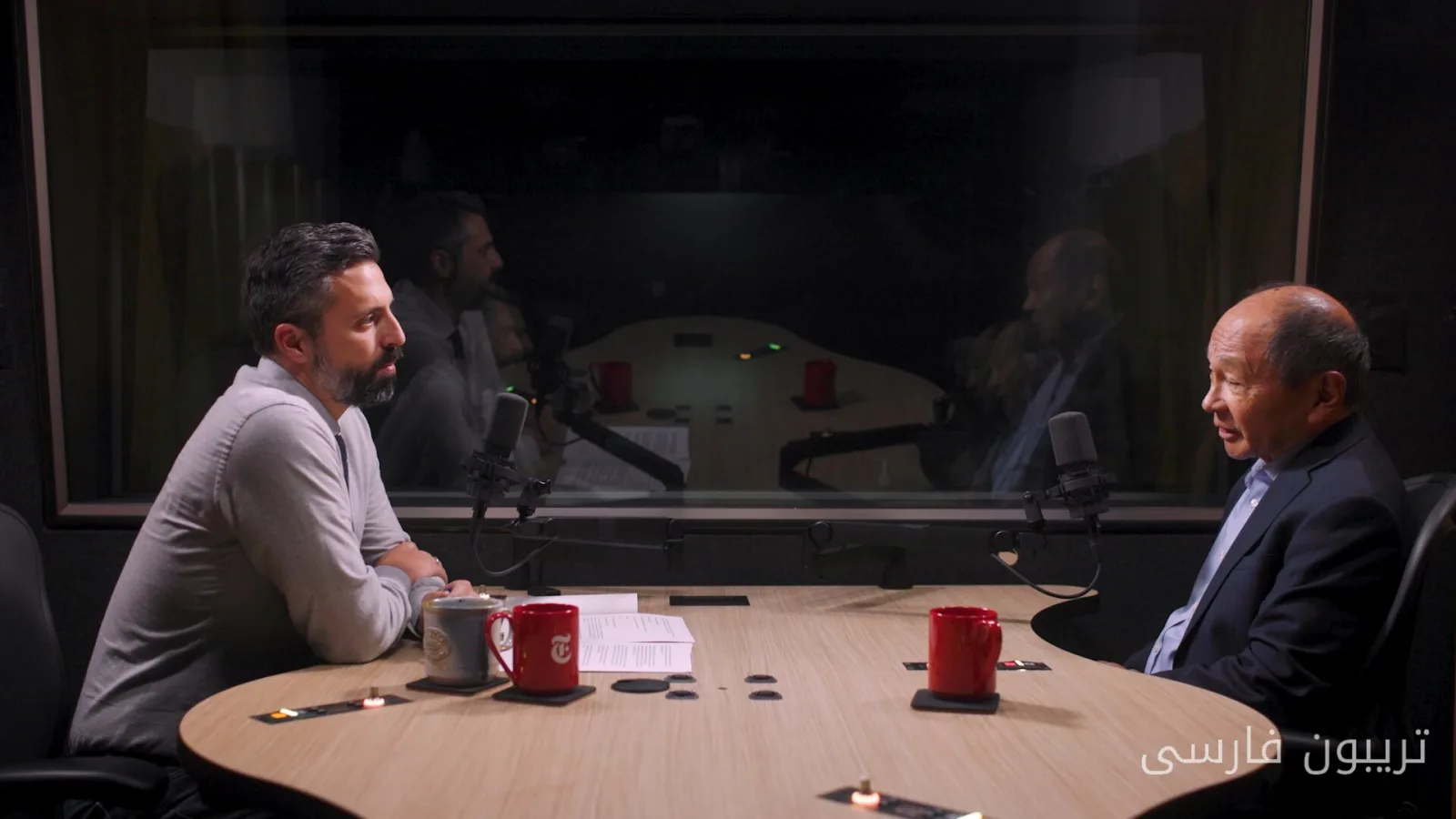
Francis Fukuyama, a political scientist and renowned author, has recently discussed the current state of liberalism and its challenges. Looking back at his controversial book, 'The End of History and the Last Man,' published in 1992, he reviews his predictions about today's world.
The Legacy of September 11 and the Impact of Trump
Fukuyama refers to the September 11, 2001 terrorist attacks, highlighting the role of this event in changing the global trajectory. He believes that these attacks not only strengthened national security in the United States but also paved the way for the rise of nationalism and populism in many other countries. These political and social changes, particularly with the emergence of Trump on the American political scene, have had profound effects on liberalism.
China and Global Challenges
Fukuyama also points to the rise of China as a strong competitor to the United States. He argues that this country is becoming a model for others not only economically but also politically. This trend could pose serious challenges to liberalism, and Fukuyama emphasizes that democratic countries must remain vigilant against these threats.
In light of the current circumstances, Fukuyama concludes that the 'end of history' he once spoke of may not be an end at all. In fact, history is repeating itself in a new form, and liberalism faces new challenges that require reevaluation and adaptation. This conversation clearly illustrates how a 30-year-old prediction can be influenced by rapid global changes and remain a hot topic for discussion and analysis.