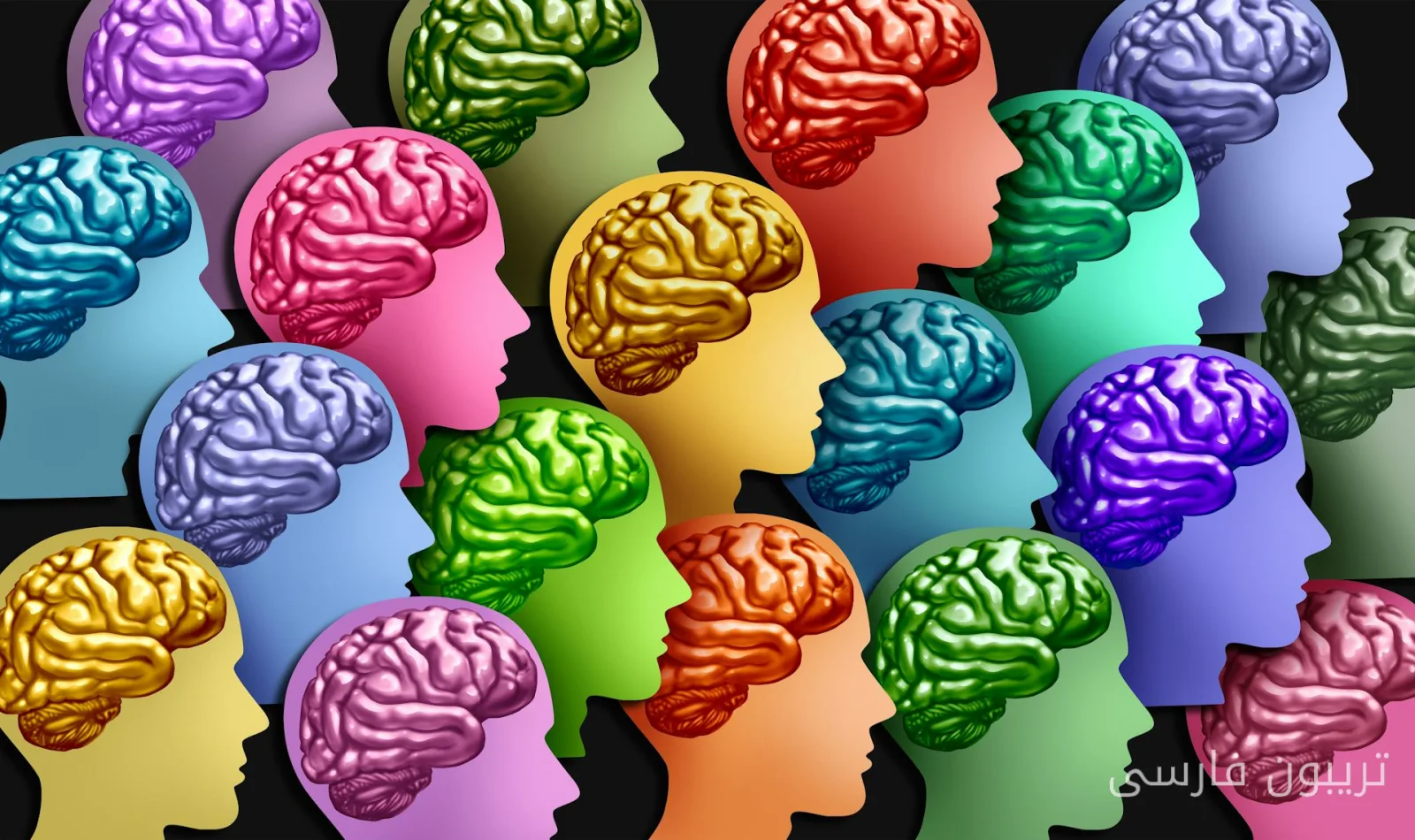
The term 'neurodivergent' is increasingly used in everyday discussions, social media, and even scientific research. This term is commonly used to describe brains that function differently from what is considered 'normal' functioning. For example, this term is often used to describe individuals diagnosed with autism or ADHD.
Lack of Consensus on Definitions
However, there is an inherent problem with this term: it is difficult to define what 'normal' brain function is precisely. Our new study shows that even researchers cannot agree on the true meaning of 'neurodivergent' and the clinical diagnoses associated with it. We reviewed 134 scientific studies that included over 151,000 participants, with the majority of the research focusing on individuals identified as 'neurodivergent' or 'neurodiverse.'
Diversity of Diagnoses and Its Implications
We found nearly 20 different diagnoses related to neurodivergence and neurodiversity. Autism and ADHD were mentioned more frequently than other conditions, but disorders such as learning disabilities and motor disorders were also noted. Notably, one-fifth of the studies refrained from mentioning any diagnoses at all, and another third only asked participants to identify themselves as 'neurodivergent.'
The use of the term 'neurodivergent' as a comprehensive term can create problems in clinical research and public policy. For example, workplace policies designed based on 'neurodivergence' may be overly broad and unhelpful if they do not consider the specific needs of individuals. Additionally, there is a risk of mislabeling; where some individuals may be inaccurately described as 'neurodivergent,' while their everyday experiences are very different from those of individuals with specific diagnoses.
Ultimately, the use of the terms 'neurodivergent' and 'neurodiverse' can be useful for describing the identity and shared experiences of individuals, but in scientific, health, and educational contexts, clear and recognized clinical diagnoses work better than general labels.
Read more: Gender Discrimination in Judicial Courts and Its Consequences for Women on Death Row · New Research Clarifies the Connection Between Aging and Memory Impairment