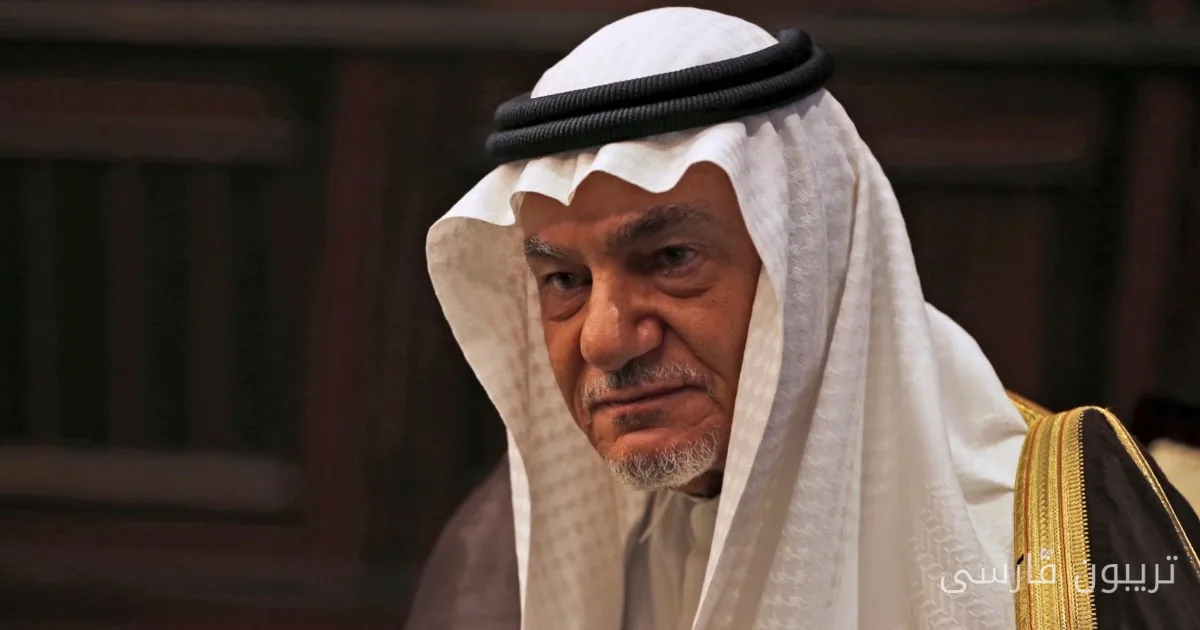
Turki Al-Faisal, head of the King Faisal Center for Research and Islamic Studies in Saudi Arabia, and Mohammad Taghi Osanlou, deputy chief of operations of the General Staff of the Armed Forces of the Islamic Republic, engaged in a verbal dispute during the Beijing Security Conference. This event not only reflects the existing tensions between the two countries but could also have profound implications for security and stability in the Middle East.
Regional Tensions and Mutual Accusations
At the conference, Turki Al-Faisal accused the Islamic Republic of not respecting the "sovereignty of Arab countries." He referred to the recent attacks by the Islamic Republic on America's Arab allies, describing these actions as "aggressive and illegal attacks." These statements were made while Osanlou quickly rejected them, claiming that the Islamic Republic's operations are solely focused on American assets.
Read more: Ed Sheeran and Political Challenges in the World of Music
This verbal clash occurred at a time when a peace agreement between the two countries was signed in 2023 in Beijing; an agreement that many considered a turning point in Iran-Saudi relations. Al-Faisal also pointed to the violation of this agreement by the Islamic Republic, stating that the recent attacks on Saudi Arabia have disregarded China's position as the guarantor of this agreement.
Economic and Security Consequences
The Islamic Republic's attacks on oil tankers in the Strait of Hormuz and targeting Saudi Arabia's oil pipeline have led to a decrease in the country's oil exports. Additionally, Houthi rebels in Yemen, who are supported by the Islamic Republic, have further harmed Saudi oil exports by seizing areas close to shipping routes in the Red Sea. These developments not only impact Saudi Arabia's economy but could also exacerbate tensions in the region.
Meanwhile, Ismail Baghaei, spokesperson for the Islamic Republic's Ministry of Foreign Affairs, has announced the postponement of the Oman meeting at Saudi Arabia's request. This meeting, which was supposed to take place in Salalah, Oman, has been delayed due to Riyadh's concerns over the proposed text from Iran and Oman; a text that Saudi Arabia feared might create a new situation in the Strait of Hormuz.
Overall, the verbal clash at the Beijing Security Conference is just one example of the escalating tensions between the Islamic Republic and Saudi Arabia. These tensions could impact regional and international relations and cast a shadow over the security and stability of the Middle East.
Read more: Boo French and the Anger of Racists: An Analysis of Social Tensions · Increase in Oil Prices Due to New Tensions in the Middle East