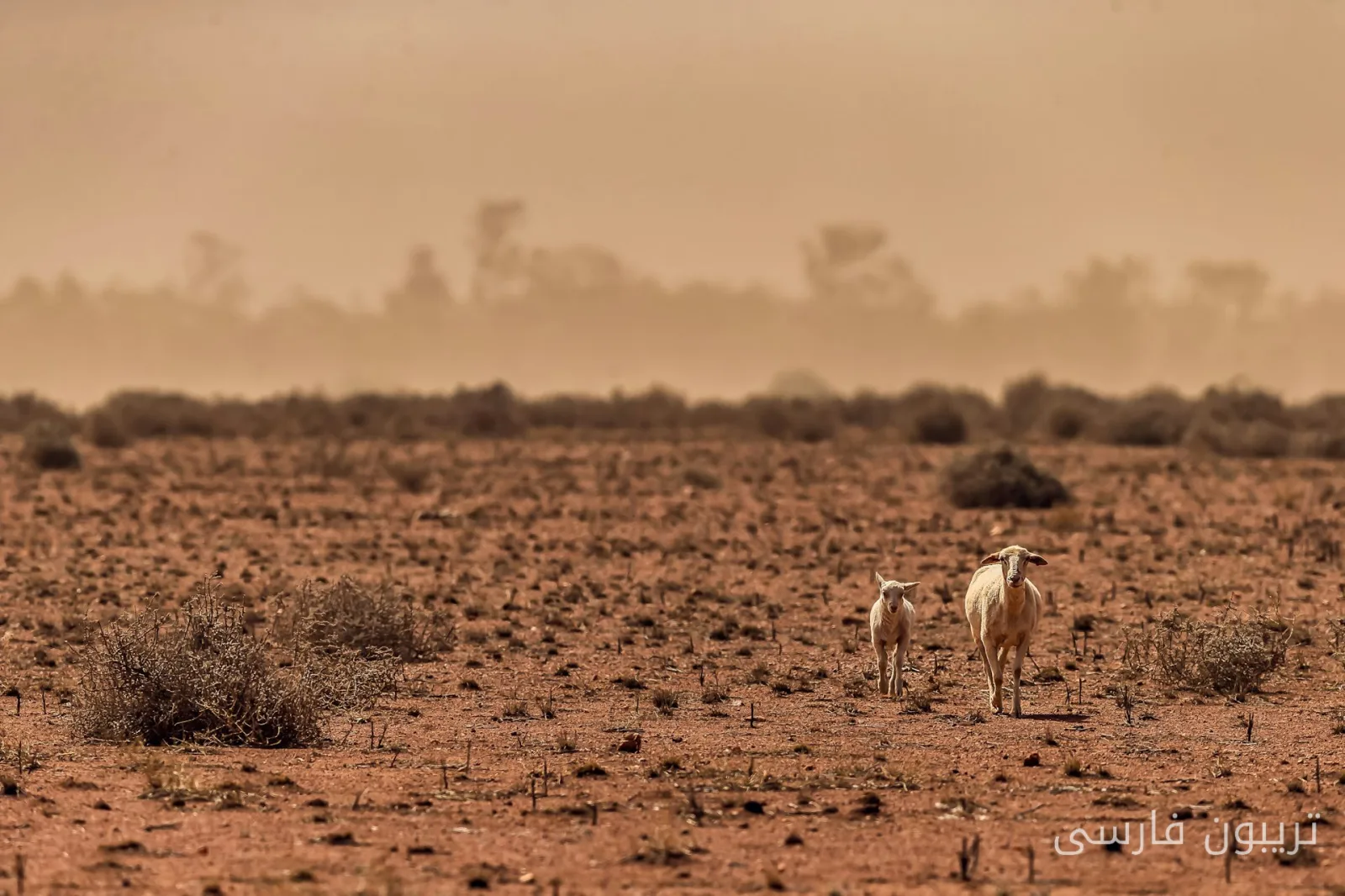
Australia is currently facing serious challenges in the agricultural sector due to the effects of El Niño and rising inflationary pressures. The Australian Bureau of Meteorology has announced that a strong El Niño is forming in late spring and this summer, which may be the strongest El Niño recorded since 1950.
Consequences of El Niño on Agricultural Production
Research conducted by the agricultural sector, ABARES, indicates that this phenomenon may lead to reduced rainfall in specific areas of Australia. This reduction in rainfall could have uncertain impacts on agricultural production. In the coming months, consumers will face reduced availability and increased prices for certain vegetables, such as lettuce, peas, broccoli, and cauliflower.
Read more: China and the Permanent Revolution in Industry: Can the World Compete?
Challenges and Predictions for Food Prices
However, dry conditions may lead to an increased supply of citrus fruits, apples, and stone fruits. There is a possibility of greater availability of peaches, nectarines, and plums in the market. Additionally, rising temperatures and direct sunlight may affect the appearance of vegetables and fruits, but their quality will not be compromised.
In the eastern and southern regions of Australia, forecasts indicate that rainfall in winter and spring will decrease due to El Niño, leading to reduced fodder production. This situation may force livestock producers to use feed supplements or reduce their herd sizes. Simultaneously selling a large number of livestock may put pressure on livestock prices.
Predictions for crop production in the winter of 2026–27 indicate an uncertain situation; while grain production will significantly decrease in some states, there are forecasts for increased production in other states such as Victoria and South Australia.
Rising fuel and fertilizer prices are also putting additional pressure on agricultural input costs. These increased costs will naturally be passed on to consumers, resulting in higher food prices.
Ultimately, El Niño and climate change, along with rising living costs, may lead to increased food prices in Australia and exacerbate economic challenges for families and producers.
Read more: The Australian Tax Office's Claims and Its Challenges for Big Tech Companies · Data Center Development and Environmental Challenges in Australia