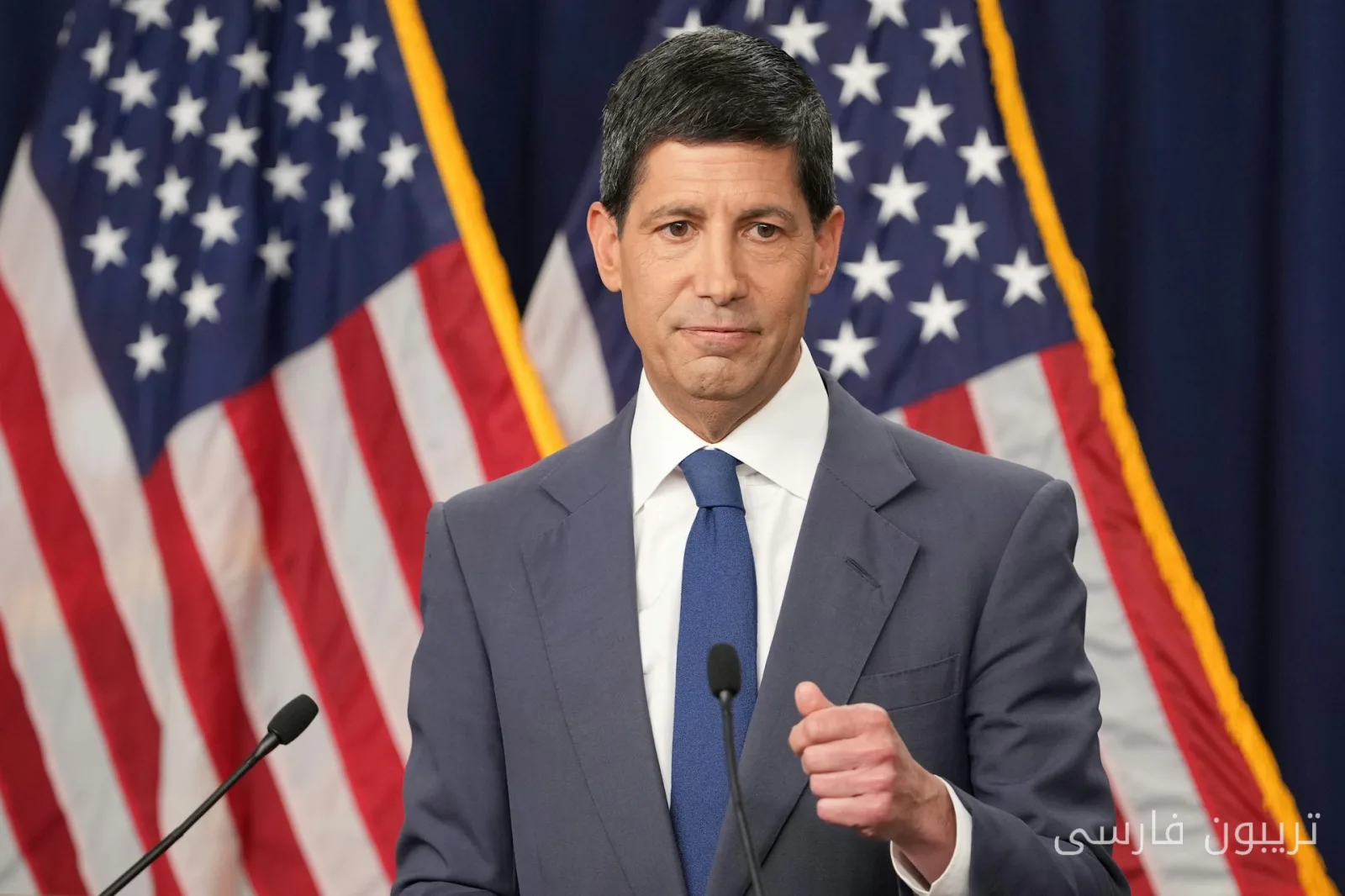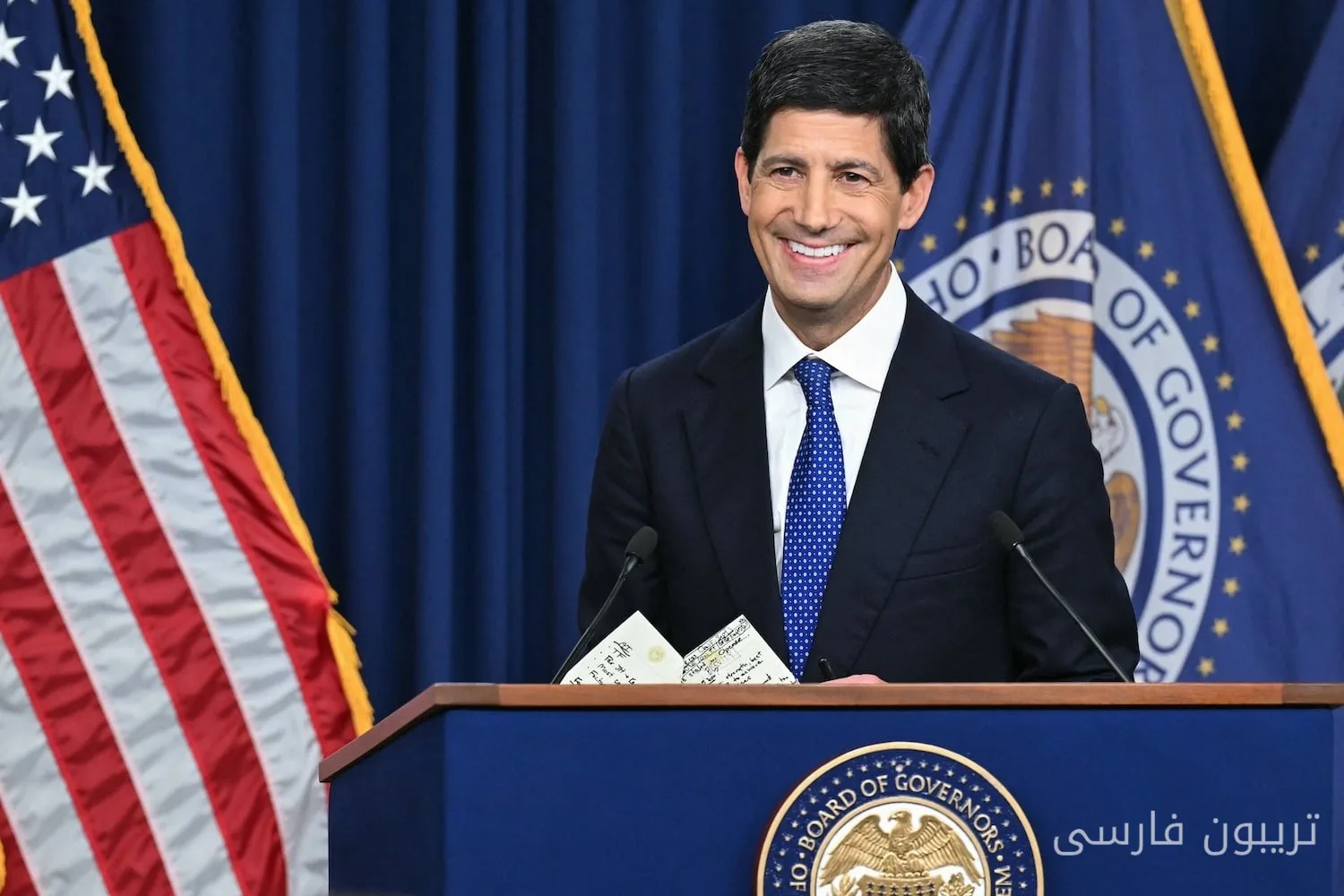
Greg Stanton, the Chair of the Federal Reserve of the United States, on Wednesday made a unanimous decision to raise interest rates for the first time in three years. This decision was made due to concerns over rising inflation and reflects the challenges facing the U.S. economy.
Why Interest Rates Were Raised
Stanton stated at a press conference following the meeting: "The simple reality is that inflation has been too high and has persisted for too long." This decision was particularly made in light of rising energy prices and the impacts of the war in Iran. Markets had well anticipated this rate increase, and it was expected that interest rates would rise again by the end of this year.
Read more: Challenges of Exiting China: Pushing Boundaries in the Supply Chain
Raising interest rates means increasing borrowing costs, which in turn can reduce investment and consumption, leading to slower economic growth and controlling inflation. However, this decision also poses significant risks to the independence of the Federal Reserve and may invite criticism from the government, especially from Donald Trump, who is calling for lower rates to stimulate the economy.
Economic and Political Consequences
The increase in interest rates, due to problems arising from wars and trade policies, particularly the war in Iran and U.S. tariffs, puts pressure on the economy. Energy prices are rapidly rising, and this increase is expected to put even more pressure on consumers. Crude oil prices have reached over $100 per barrel, which could lead to higher fuel prices and subsequently increase the cost of living.
Analysts believe that this interest rate hike may be insufficient in controlling inflation caused by external shocks. Stanton himself pointed out that a "less accommodative" monetary policy could prevent the transmission of high energy prices to other sectors, but it may not have an effect on inflation caused by wars.
Given that markets have accepted this decision calmly, it is expected that the Federal Reserve will raise rates at least two more times next year. This trend reflects the Federal Reserve's efforts to control the economic situation and inflation, but it may also jeopardize the independence of this institution.
Ultimately, the Federal Reserve's interest rate decisions currently have a direct impact on all aspects of the economy and must be carefully examined. The future of interest rates and their impact on markets and the economy, especially under current conditions, remains uncertain and requires continuous monitoring.
Read more: Fundamental Changes in the Automotive Industry: Traditional Automakers Facing Challenges from Electric Vehicles · Greg Stanton Calls for a Halt to AI Research Due to Safety Concerns