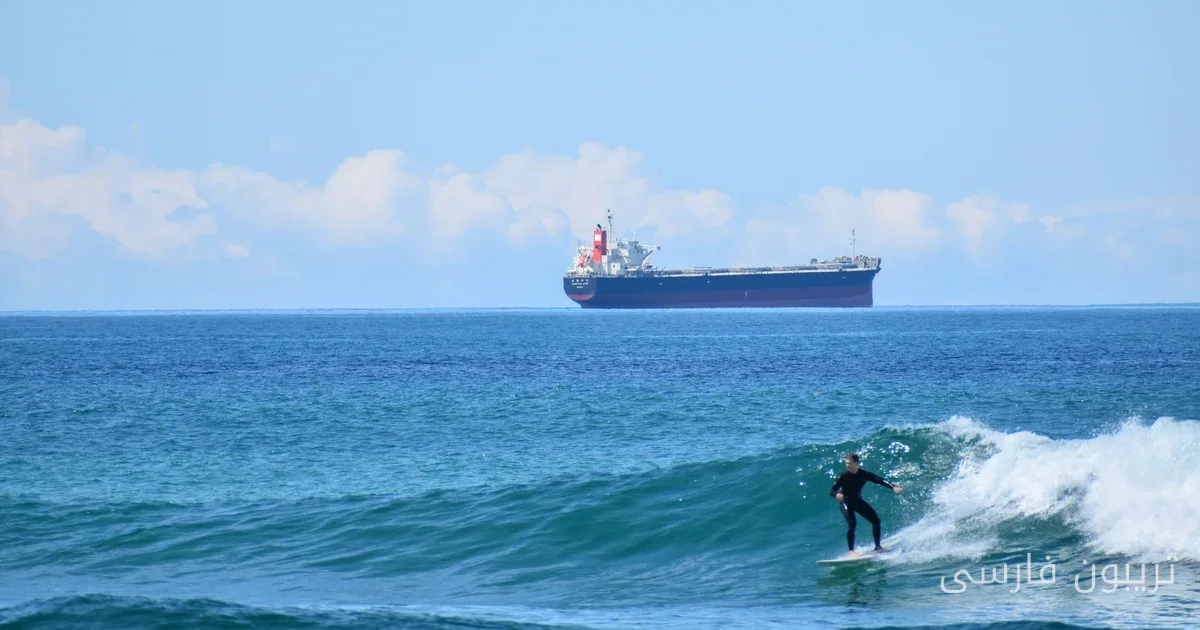
Changes in the global commercial climate have pressured Canberra to respond more swiftly to the new situation. While protectionism has reached new heights globally, Australia has yet to effectively align itself with these developments.
Global Protectionism Trends
According to data, the trade policy activity index, compiled from sources by the World Trade Organization and the International Monetary Fund, indicates that global trade actions from January to May 2026 are at a level nearly double that of 2024. This increase, driven by tariffs, import bans, and subsidies, reflects major changes in the global trading system. While the volume of goods traded in the first quarter of 2026 has risen due to high demand for semiconductors and artificial intelligence infrastructure, this increase does not signify a return to the old order. In fact, goods are being moved amid a broader trade war, not due to newly rediscovered comparative advantages.
Read more: China and the Permanent Revolution in Industry: Can the World Compete?
Challenges Facing Australia
As a pro-free trade country, Australia is striving to adapt to new changes. While new trade agreements have been made with the European Union and the United Arab Emirates, these actions are still not fast and comprehensive enough. Australia's dependence on China, which accounted for 29 percent of the country's goods and services exports in 2025, has raised serious concerns about economic security. Additionally, Australia must remain vigilant against the risks posed by a slow response to global changes.
Industrial policies have now gained legitimacy more than ever, and economic security has taken precedence over business logic. Given these developments, Australia cannot expect the multilateral international order to be restored anytime soon. In this context, the need to diversify trade partners and invest in various fields, including green technologies and artificial intelligence, is increasingly felt.
Australia must move towards selecting trade partners that can attract more than just raw materials. The country should pursue agreements with India, Southeast Asia, Japan, Korea, the European Union, and Gulf countries, focusing not only on tariffs but also on agreements related to services, data, and resource procurement.
Ultimately, Australia must be serious about attracting sustainable investments from these new partners while screening investments that come with specific political conditions. This approach could help Australia move beyond its role as a mere supplier and become a strategic partner in technology and renewable energy sectors.
Read more: Serious Challenges at the Annual Meeting of the International Monetary Fund and World Bank · The Australian Government May Limit Refugee Workers' Rights